




Understanding what to do with leftover melted chocolate prevents waste while creating opportunities for spontaneous treats and creative confections. Rather than discarding excess chocolate from dipping or molding projects, you can store it properly for later use, transform it into various desserts, or create simple candies that extend your chocolate work beyond the original project. This comprehensive guide examines proper storage methods for leftover melted chocolate, provides quick recipe ideas requiring minimal additional ingredients, explores both immediate uses and long-term storage solutions, and offers practical techniques for repurposing chocolate that maintains quality while minimizing waste.
Storing Leftover Melted Chocolate
Proper storage preserves melted chocolate for future use, whether you plan to remelt it within days or store it for weeks. The storage method depends on your timeline and intended future applications.

Short-Term Storage Methods
For chocolate you'll use within three to five days, pour melted chocolate onto parchment-lined baking sheet in thin layer, allowing it to cool and harden at room temperature. Once solid, break into chunks and store in airtight container at cool room temperature between sixty and sixty-eight degrees Fahrenheit. This method keeps chocolate ready for quick remelting without refrigeration that causes condensation and bloom.
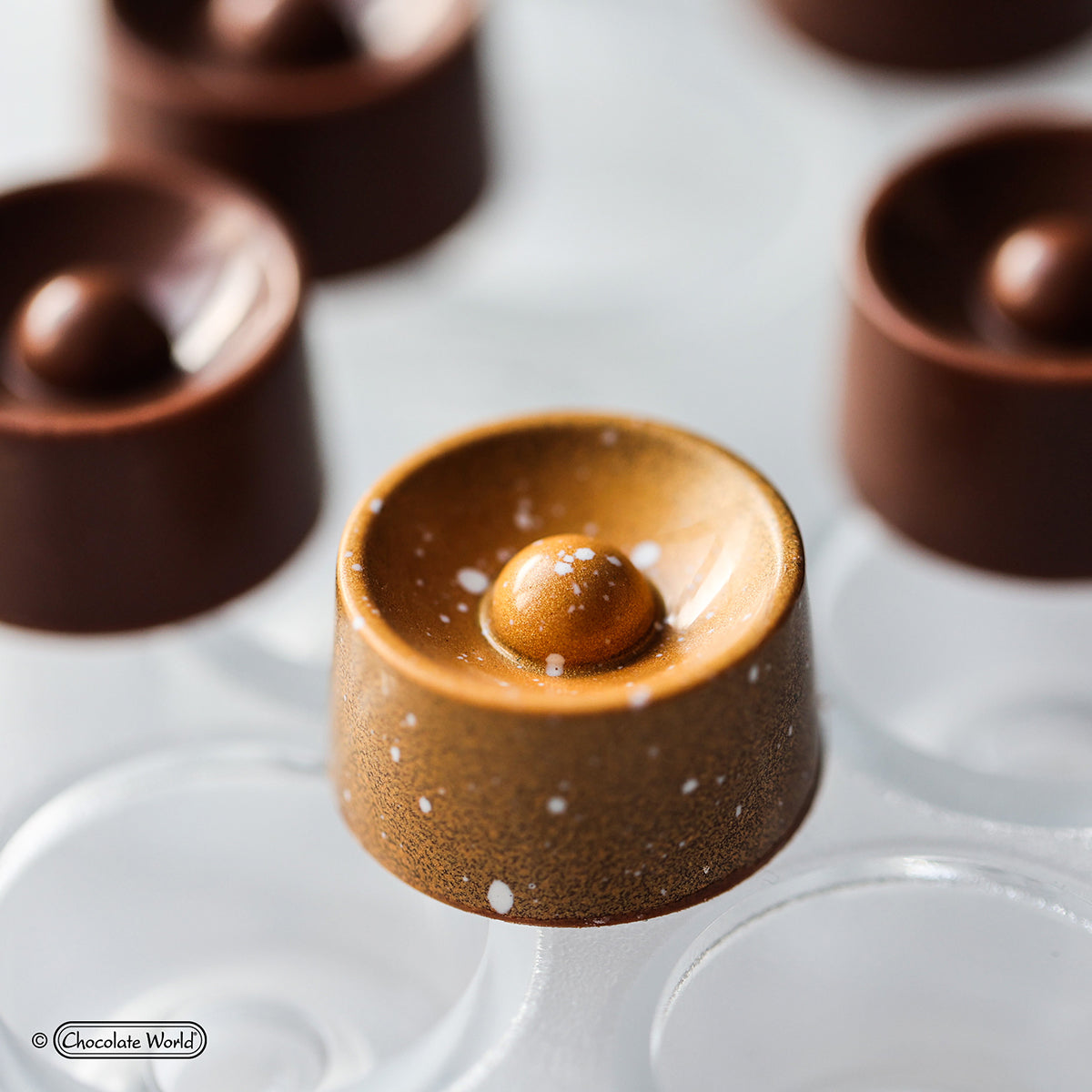
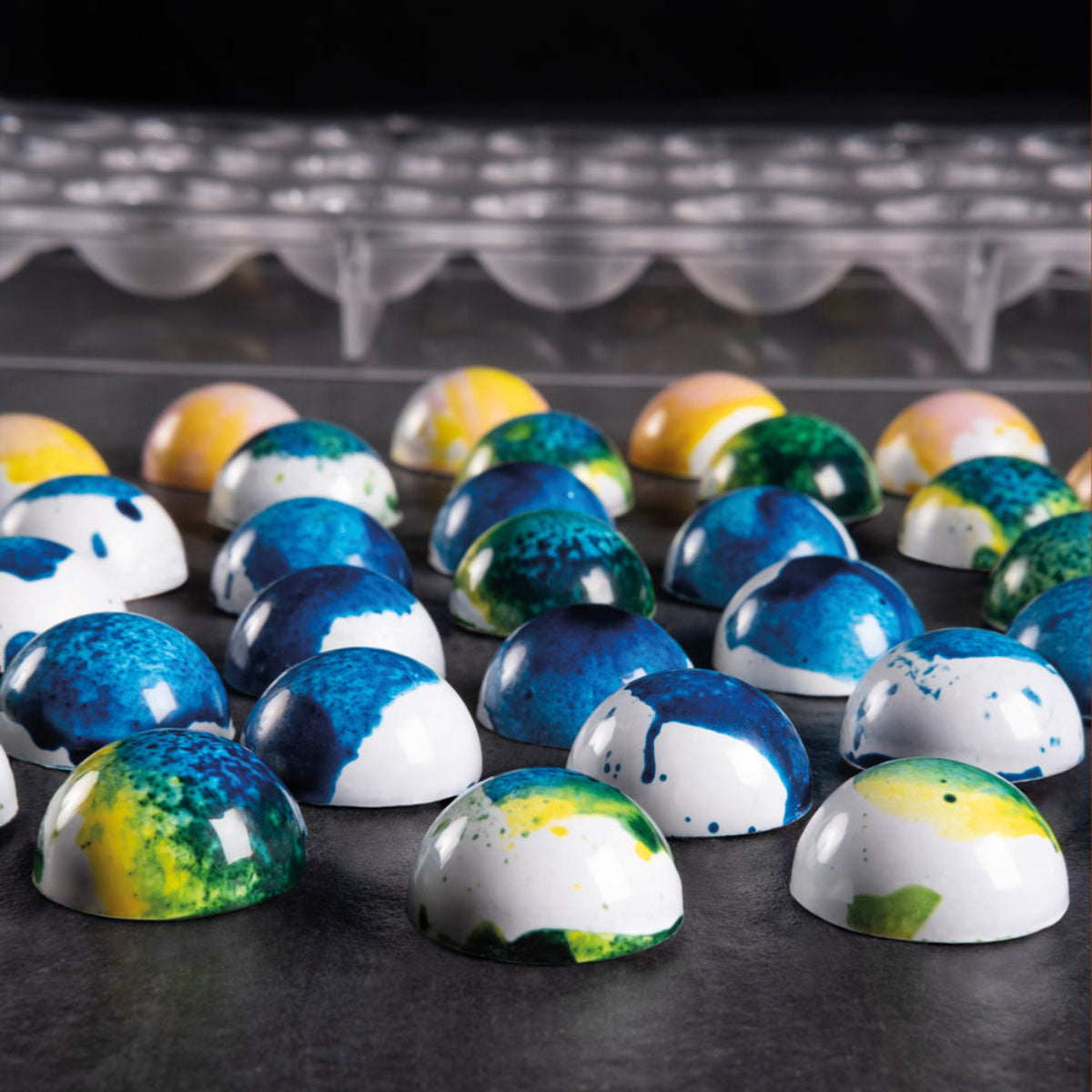
Alternatively, pour melted chocolate into silicone molds creating uniform pieces that store efficiently and remelt evenly. Small squares or discs stack compactly while providing pre-portioned amounts for future recipes. Professional chocolate molds create attractive shapes that can serve as gifts or garnishes even without additional decoration.
Long-Term Freezer Storage
For storage exceeding one week, freeze leftover melted chocolate for up to three months while maintaining quality. Pour chocolate into freezer-safe container or zip-top bag, pressing out excess air before sealing. Label with chocolate type—dark, milk, or white—and date for tracking storage time.
Thaw frozen chocolate in refrigerator overnight before bringing to room temperature, then remelt using standard methods. Never rush thawing at room temperature as condensation forms on cold chocolate surface, introducing moisture that causes seizing when remelted. Understanding chocolate storage helps maximize shelf life while preserving quality.

Quick Treats with Leftover Chocolate
Several simple recipes transform leftover melted chocolate into finished desserts requiring minimal time and ingredients beyond the chocolate itself.
Chocolate Bark
Spread melted chocolate thinly on parchment paper, then immediately sprinkle with toppings before chocolate sets. Crushed nuts, dried fruit, sea salt flakes, coconut flakes, or crushed cookies create textured bark that breaks into irregular pieces perfect for snacking or gifting. This method uses any quantity of leftover chocolate from one-quarter cup upward.
Allow bark to set completely at room temperature—approximately thirty to forty-five minutes—before breaking into pieces. Store in airtight container between parchment layers to prevent sticking. Bark keeps two to three weeks at room temperature or up to two months refrigerated in sealed container.
Chocolate-Covered Pretzels and Fruit
Dip pretzels, strawberries, banana slices, or dried fruit into leftover melted chocolate for classic chocolate-covered treats. Proper dipping technique ensures even coating without excess chocolate buildup. Place dipped items on parchment paper to set, using quality chocolate for superior flavor.
Fresh fruit requires consumption within twenty-four hours due to moisture that prevents chocolate from setting firmly and promotes spoilage. Pretzels and dried fruit coated in chocolate keep one to two weeks stored in airtight containers at room temperature.

Homemade Chocolate Chips
Pour thin layer of melted chocolate onto parchment paper, refrigerate until firm but not completely hardened—approximately ten minutes—then use small cookie cutter or knife to cut into chip-sized pieces. These irregular homemade chips work beautifully in cookies, muffins, or sprinkled over ice cream.
Alternatively, transfer melted chocolate to piping bag or zip-top bag with tiny corner snip, piping small dots onto parchment paper. Once hardened, these create uniform chips perfect for baking applications. Store homemade chips in refrigerator for firmness or room temperature if ambient conditions stay cool.
|
Use |
Chocolate Amount |
Additional Ingredients |
Time Required |
Storage Life |
|
Chocolate Bark |
1/4 cup+ |
Nuts, dried fruit, salt |
5 min + setting |
2-3 weeks |
|
Covered Fruit/Pretzels |
1/2 cup+ |
Fruit or pretzels |
10 min + setting |
1-2 weeks |
|
Homemade Chips |
Any amount |
None |
15 min + setting |
2-4 weeks |
|
Hot Chocolate Mix |
1/4 cup |
Milk powder, sugar |
5 minutes |
1 month |
|
Chocolate Sauce |
1/2 cup+ |
Cream, butter |
10 minutes |
1 week refrigerated |
Creative Dessert Applications
Leftover melted chocolate integrates seamlessly into various desserts as ingredient rather than standalone component, extending its utility beyond simple dipped treats.
Hot Chocolate and Drinking Chocolate
Whisk leftover melted chocolate into hot milk for instant luxurious hot chocolate without measuring cocoa powder or melting fresh chocolate. Use approximately two to three tablespoons melted chocolate per cup of milk, adjusting to taste preferences. Add vanilla extract, cinnamon, or pinch of sea salt for flavor complexity.
For drinking chocolate—thicker European-style version—use four to five tablespoons melted chocolate per cup of milk, whisking vigorously to create rich, pudding-like consistency. This decadent beverage works beautifully with premium dark chocolate that delivers intense flavor.
Chocolate Sauce and Ganache
Transform leftover melted chocolate into versatile sauce by whisking in heavy cream. Use equal parts chocolate and cream for thick ganache suitable for cake filling or truffle centers. Increase cream ratio to two parts cream per one part chocolate for pourable sauce perfect over ice cream or fresh fruit.
Heat cream until steaming but not boiling, pour over melted chocolate, and whisk until completely smooth. Add tablespoon butter for glossy finish and silky texture. Store finished sauce refrigerated up to one week, reheating gently before use. This method works with any quantity of leftover chocolate from one-quarter cup upward.

Baking Applications
Incorporate leftover melted chocolate directly into brownie, cake, or cookie batters as wet ingredient replacing portion of butter or oil. Reduce other fats in recipe by amount equal to fat content in your chocolate—typically fifty percent for dark chocolate. This substitution adds intense chocolate flavor while using chocolate that might otherwise go to waste.
Drizzle melted chocolate over baked goods immediately after removing from oven, allowing residual heat to help chocolate adhere. This technique works beautifully on muffins, coffee cakes, or cookies that benefit from chocolate accent without requiring precise tempering or elaborate decoration.
Making Chocolate Clusters and Candies
Simple candy recipes utilize leftover chocolate efficiently while creating gifts or treats requiring minimal skill or special equipment.
Nut and Fruit Clusters
Stir nuts, dried fruit, or combination into leftover melted chocolate using one part additions to two parts chocolate ratio. Drop spoonfuls onto parchment paper, creating rustic clusters that set within thirty minutes at room temperature. These candies showcase chocolate while incorporating complementary flavors and textures.
Try combinations like almonds with dried cranberries, cashews with coconut, or peanuts with raisins. The clusters keep two to three weeks stored in airtight containers at cool room temperature or longer refrigerated.
Peanut Butter Cups
Line mini muffin tins or silicone molds with paper cups, spoon thin layer of melted chocolate into each, add small amount of peanut butter, then cover with additional chocolate. Refrigerate until firm—approximately thirty minutes—for homemade peanut butter cups rivaling commercial versions.
Use natural peanut butter mixed with powdered sugar for firmer filling that doesn't separate. This method works equally well with almond butter, sunflower seed butter, or other nut butters for variation.

Decorative Applications
Leftover chocolate serves decorative purposes that enhance presentations without requiring large quantities or perfect tempering.
Chocolate Drizzle and Writing
Transfer melted chocolate to piping bag or zip-top bag with tiny corner snip for controlled drizzling over cakes, cookies, or plated desserts. Create zigzag patterns, concentric circles, or write messages using chocolate as edible ink. Professional decorating tools help create consistent patterns and professional-looking finishes.
For writing, practice on parchment paper before attempting final dessert to develop steady hand control. Refrigerate decorated items briefly to set chocolate quickly if needed for immediate serving.
Chocolate Shavings and Curls
Pour leftover melted chocolate onto clean marble slab or back of baking sheet, spread thinly with offset spatula, and allow to set until no longer sticky but not completely hard. Use bench scraper or large knife held at forty-five-degree angle to scrape chocolate, creating curls that garnish cakes and mousses elegantly.
For simpler shavings without curling, refrigerate spread chocolate until completely firm, then use vegetable peeler or grater to create fine chocolate pieces. These shavings work beautifully scattered over whipped cream, ice cream, or frosted desserts.
Combining with Other Ingredients
Mixing additions into leftover melted chocolate before it sets creates customized chocolates reflecting personal preferences or using pantry ingredients needing use.
Add-In Ideas
Stir crispy rice cereal into melted chocolate for homemade crispy treats similar to commercial candy bars. Use three cups cereal per one cup melted chocolate, pressing mixture into lined pan and cutting into squares once set. Add peanut butter, marshmallows, or crushed cookies for variation.
Mix chopped candy pieces, cookie crumbs, or crushed graham crackers into melted chocolate for textured bark or clusters. These additions extend chocolate quantity while creating interesting flavor combinations. Espresso powder, orange zest, or peppermint extract transform plain chocolate into flavored varieties without additional chocolate purchase.
Remelting Considerations
Leftover melted chocolate can be remelted multiple times if handled properly, though quality degrades slightly with each heating cycle. Limit remelting to two or three times maximum before chocolate develops grainy texture or dull appearance from repeated temperature stress.
Add fresh chocolate to remelted leftovers to improve texture and restore smooth consistency. Mix one part fresh quality chocolate with three parts remelted chocolate for noticeable quality improvement without wasting the leftover chocolate.
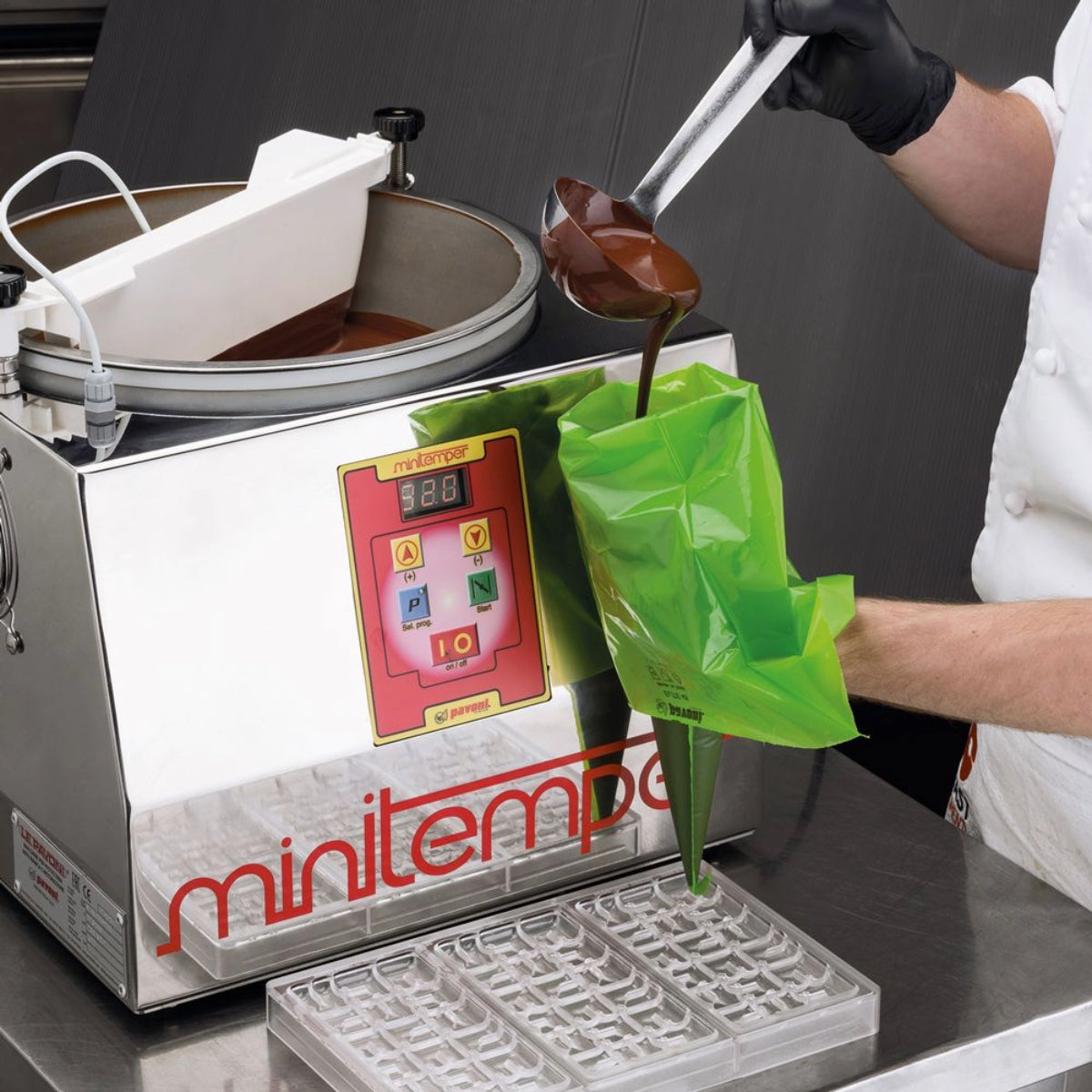
Use professional chocolate melters for consistent temperature control when remelting, preventing overheating that damages chocolate irreversibly. Maintain temperature below ninety degrees Fahrenheit for dark chocolate and eighty-eight degrees for milk chocolate during remelting process.

Gift-Worthy Presentations
Transform leftover chocolate into thoughtful gifts requiring minimal additional investment while showcasing your chocolate skills and creativity.
Package homemade chocolate bark, clusters, or molded chocolates in clear cellophane bags tied with ribbon for simple yet elegant gifts. Display containers elevate homemade chocolates to professional appearance suitable for gift-giving or special occasions.
Create sampler boxes featuring various preparations from single batch of leftover chocolate—bark, clusters, and molded pieces arranged attractively demonstrate versatility while using chocolate efficiently. Include brief descriptions of flavor combinations or ingredients for personal touch recipients appreciate.
Understanding what to do with leftover melted chocolate transforms potential waste into opportunities for creativity and treats that extend your chocolate work beyond original projects. Immediate uses include chocolate bark with various toppings, dipped fruit and pretzels, or homemade chocolate chips requiring just minutes of additional effort. Short-term storage in airtight containers at room temperature works for chocolate used within days, while freezing extends storage to three months for longer-term keeping. Transform chocolate into hot chocolate by whisking into hot milk, create ganache or sauce with cream additions, or incorporate into baking projects as flavor ingredient. Simple candies like nut clusters and peanut butter cups utilize small chocolate quantities while creating gift-worthy treats. For premium chocolate products, professional tools, and elegant presentation options that maximize every drop of chocolate, explore quality selections at Zucchero Canada where chocolate excellence meets practical solutions for home and professional chocolatiers.
References
Greweling, P. (2024). Chocolates and confections: Formula, theory, and technique (3rd ed.). John Wiley & Sons.
McGee, H. (2024). On food and cooking: The science and lore of the kitchen (3rd ed.). Scribner.
Morato, R. (2023). Advanced chocolate work: Contemporary approaches. Chocolate Academy Center.
Ziegler, G. R. (2024). Industrial chocolate manufacture and use (5th ed.). Wiley-Blackwell.







Leave a comment
All comments are moderated before being published.
This site is protected by hCaptcha and the hCaptcha Privacy Policy and Terms of Service apply.