




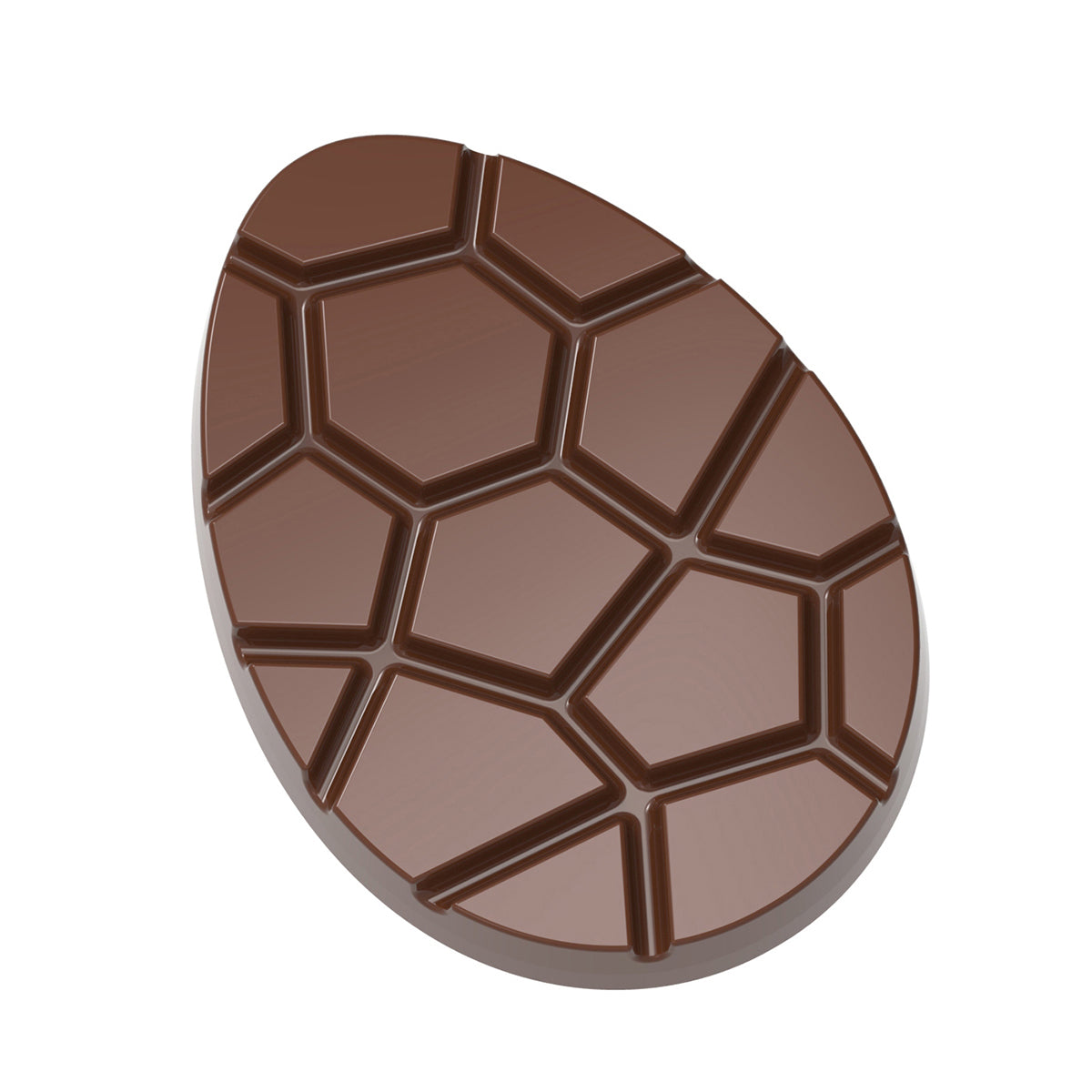
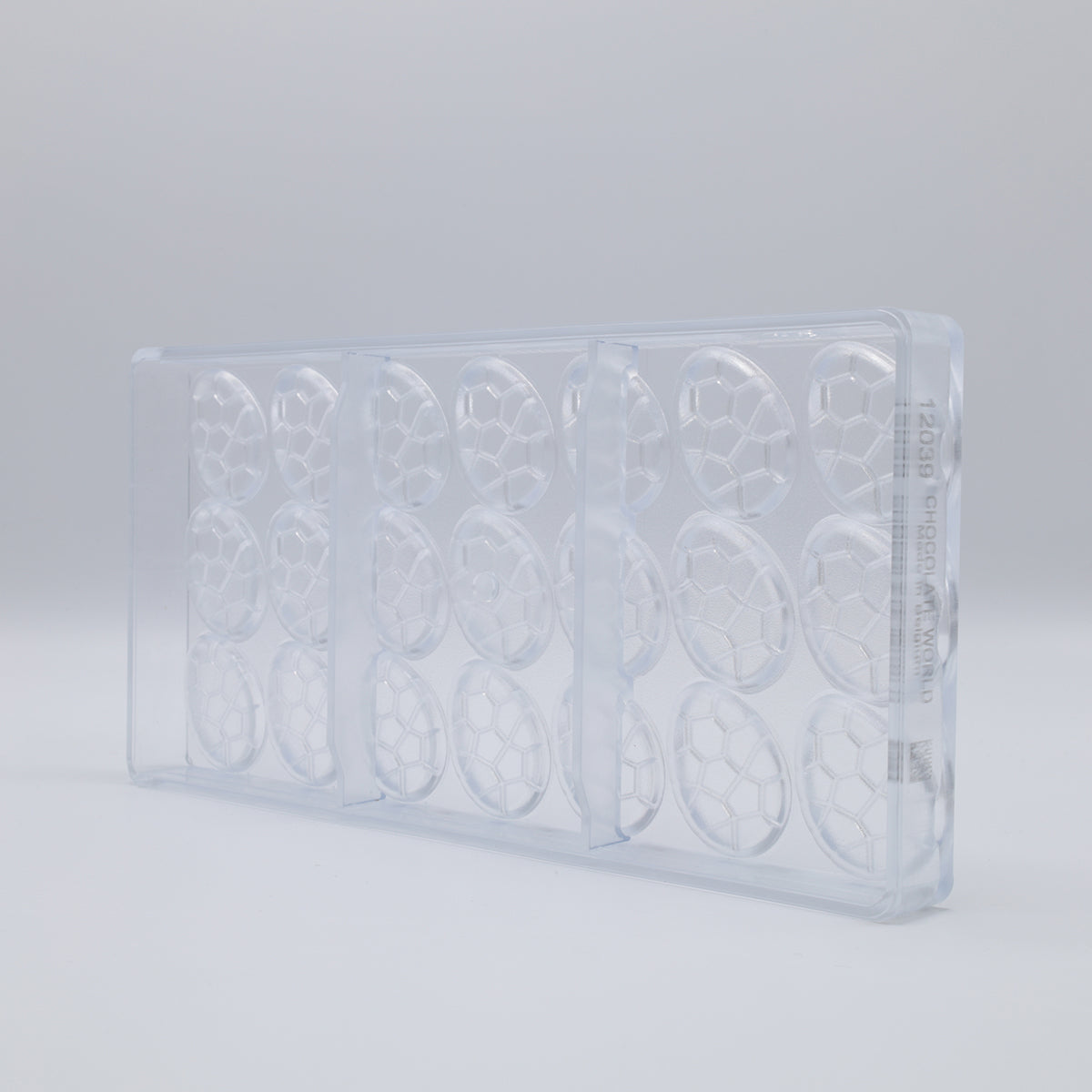


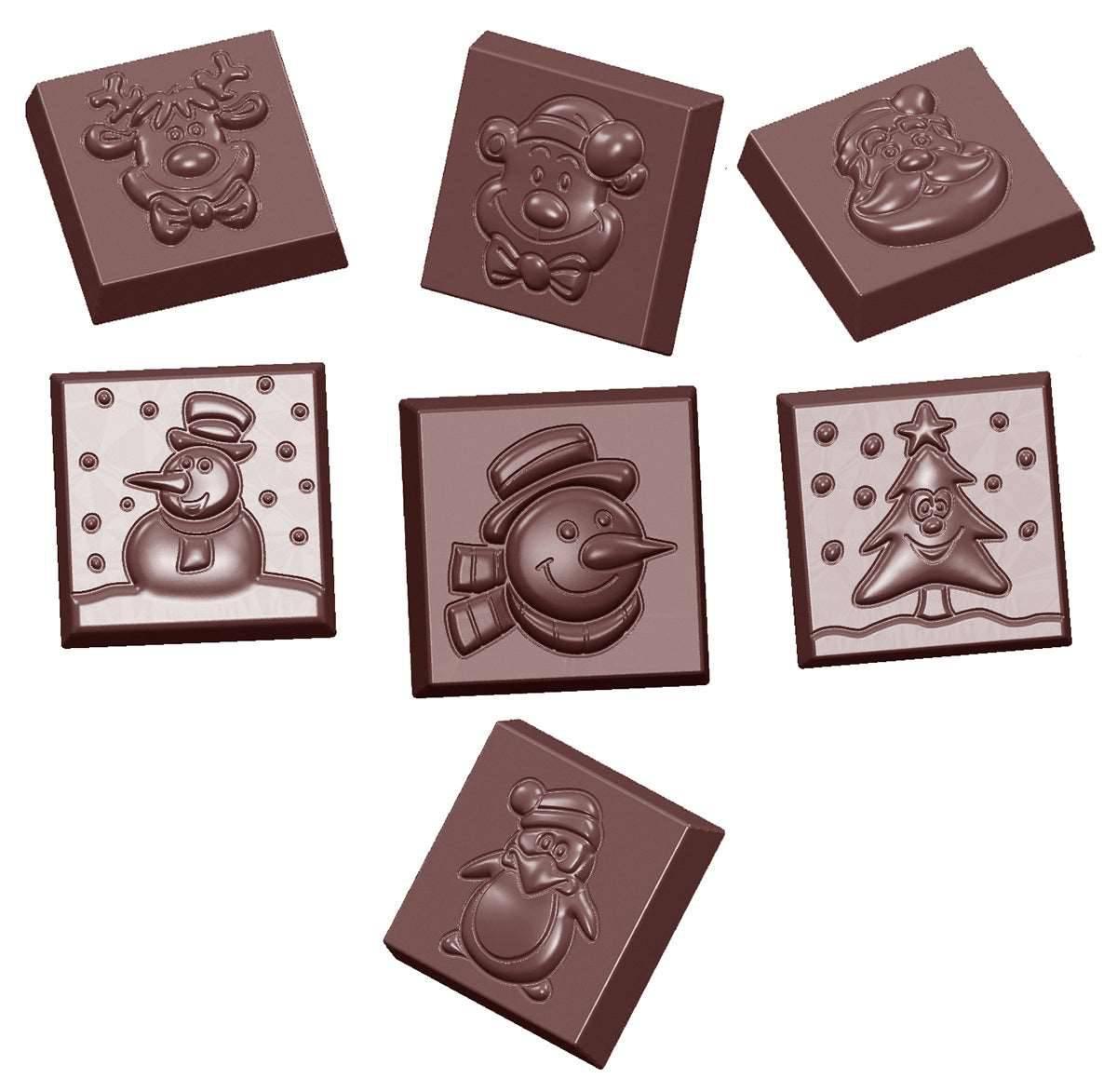
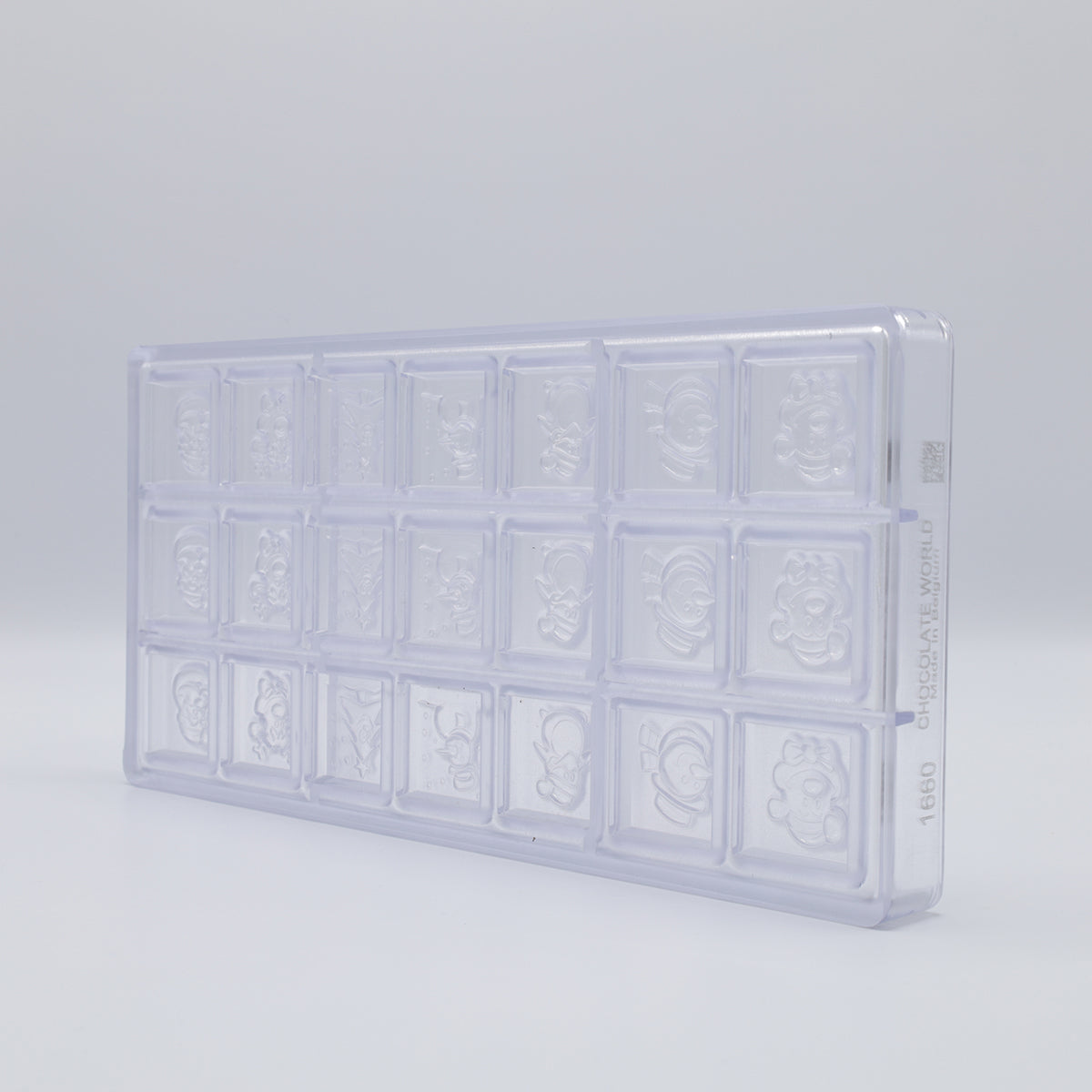

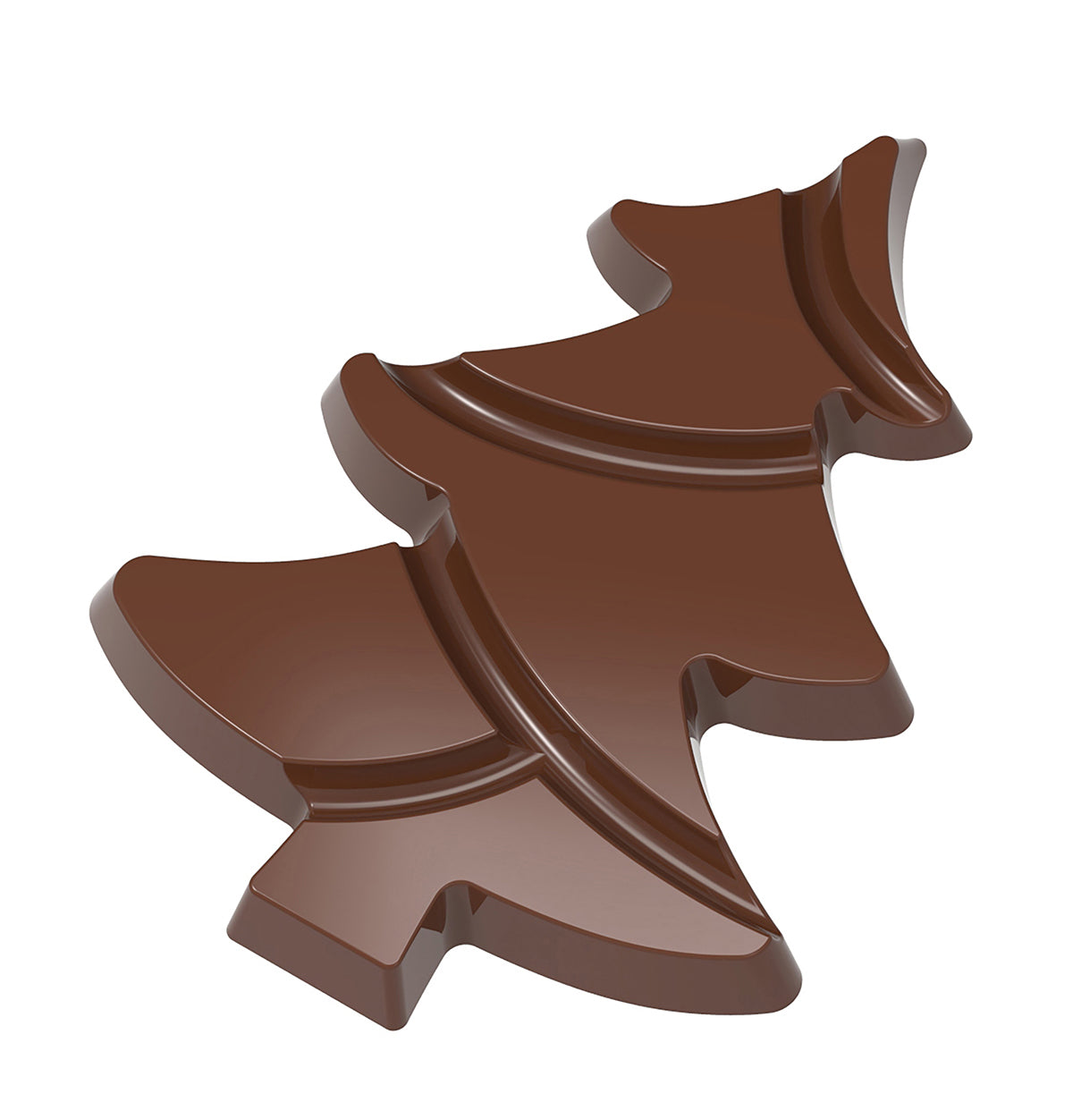
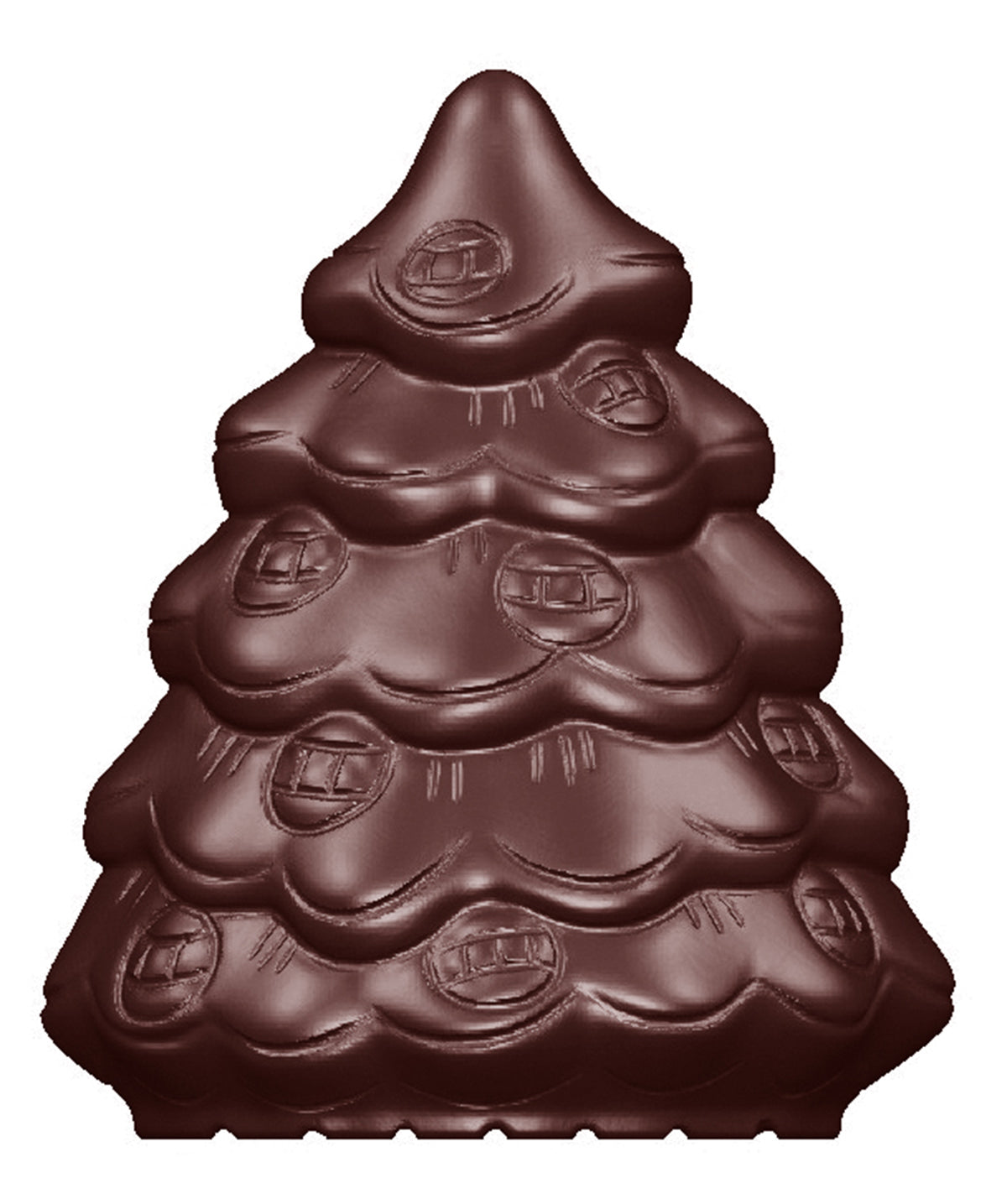
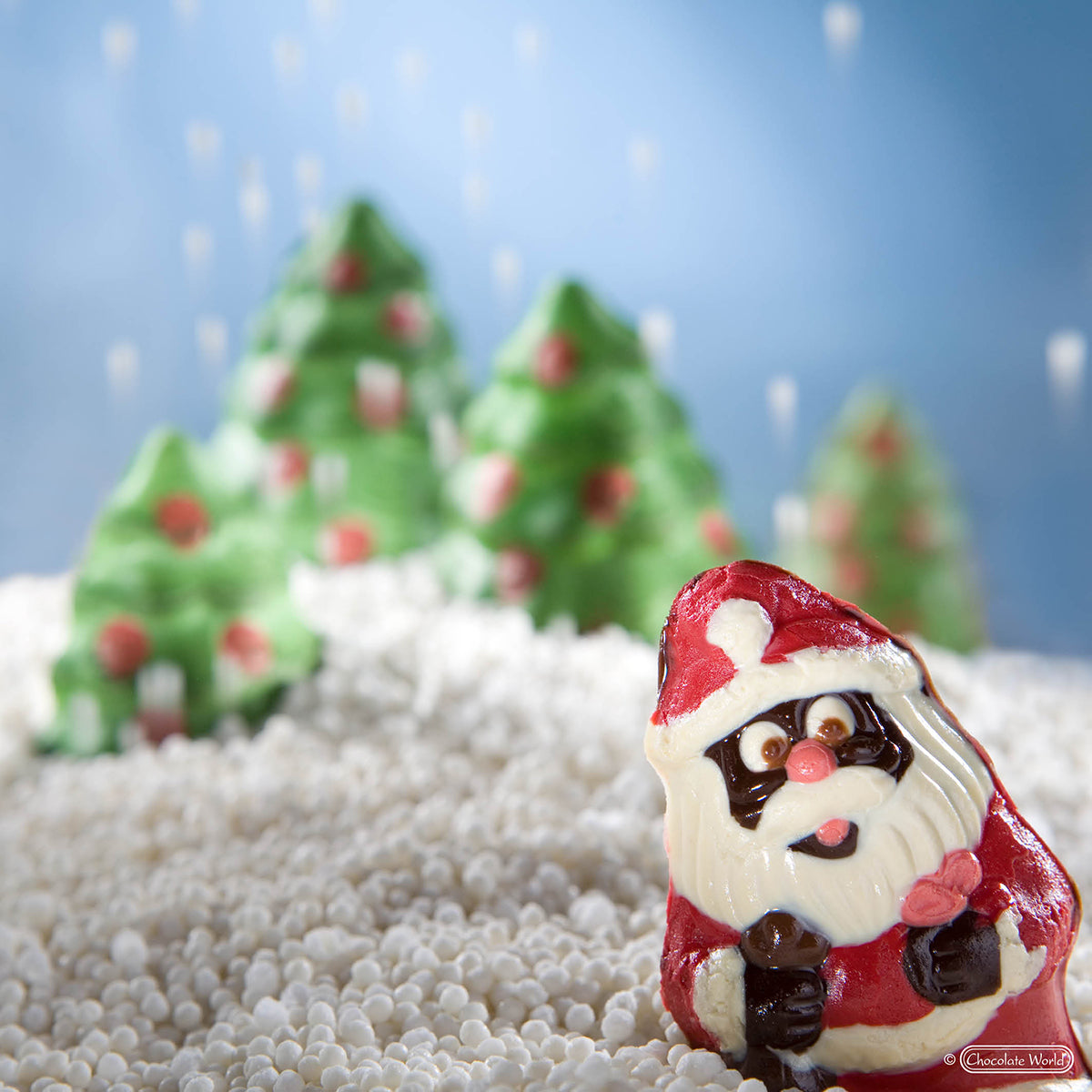
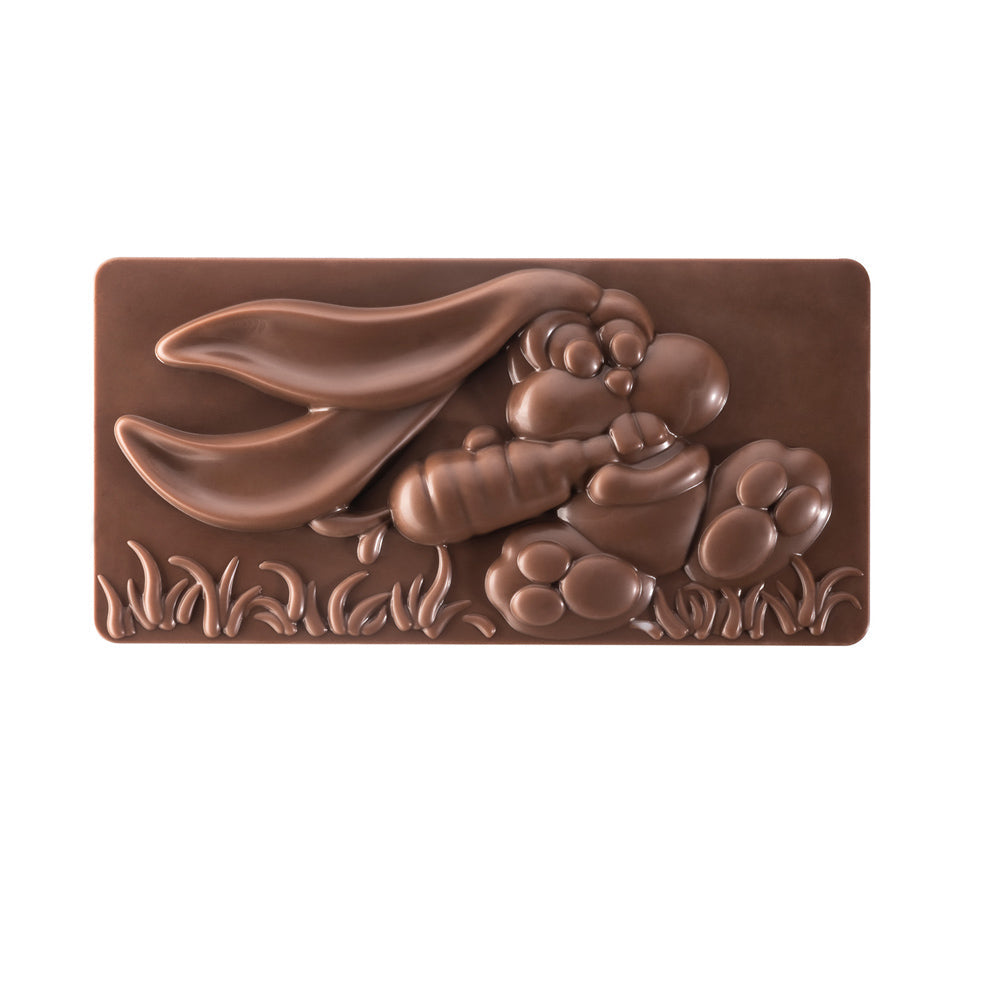
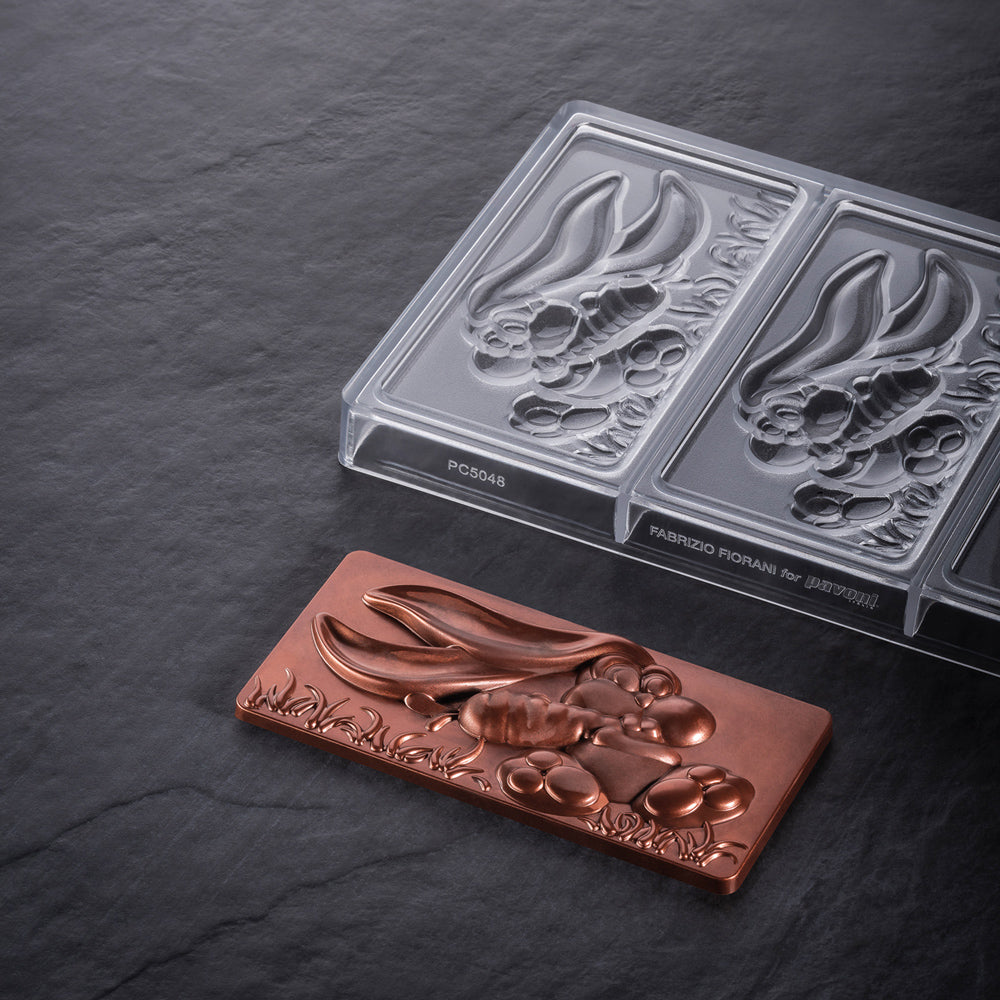
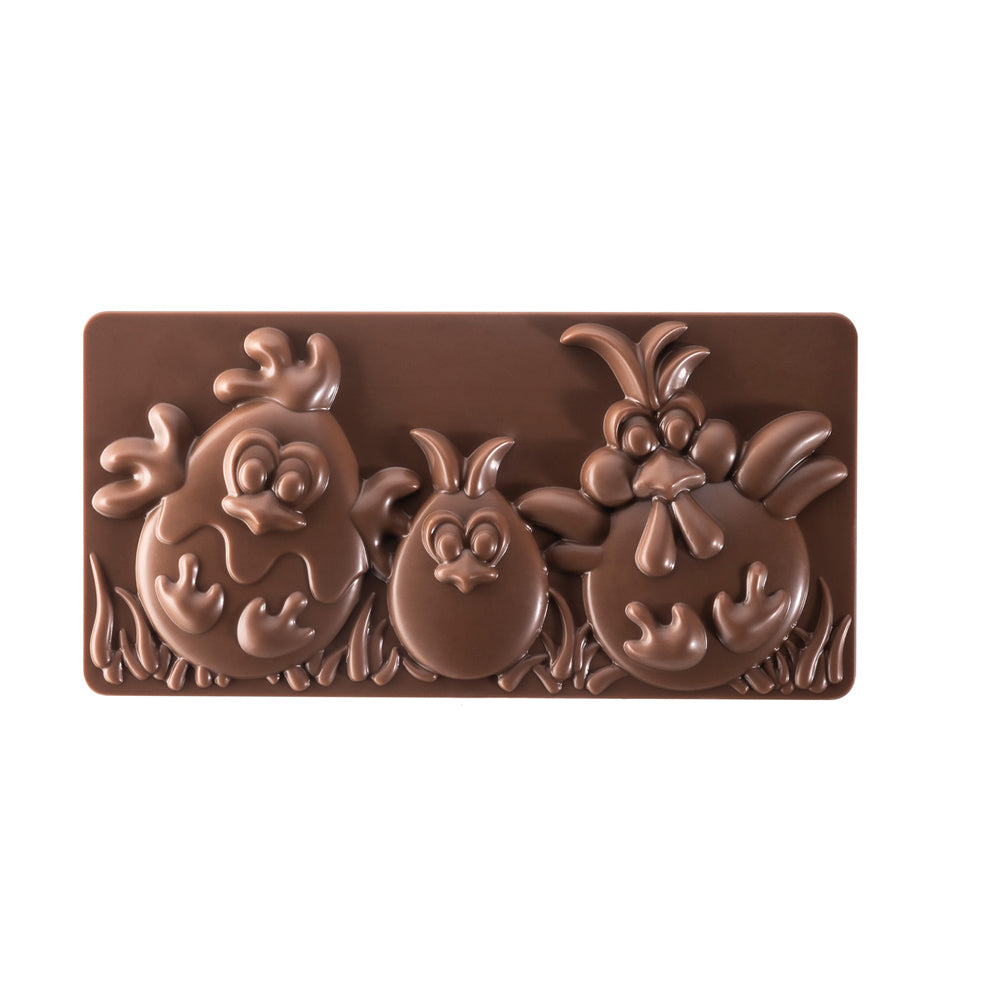
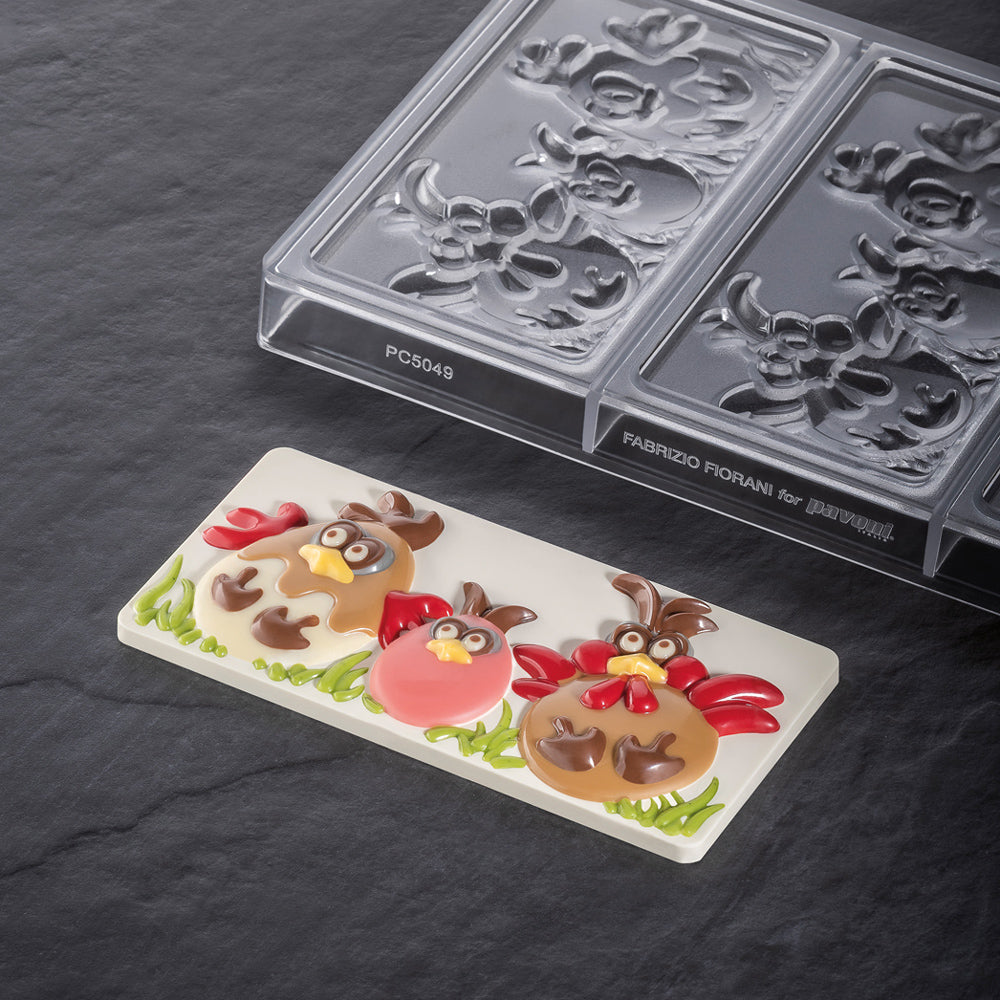
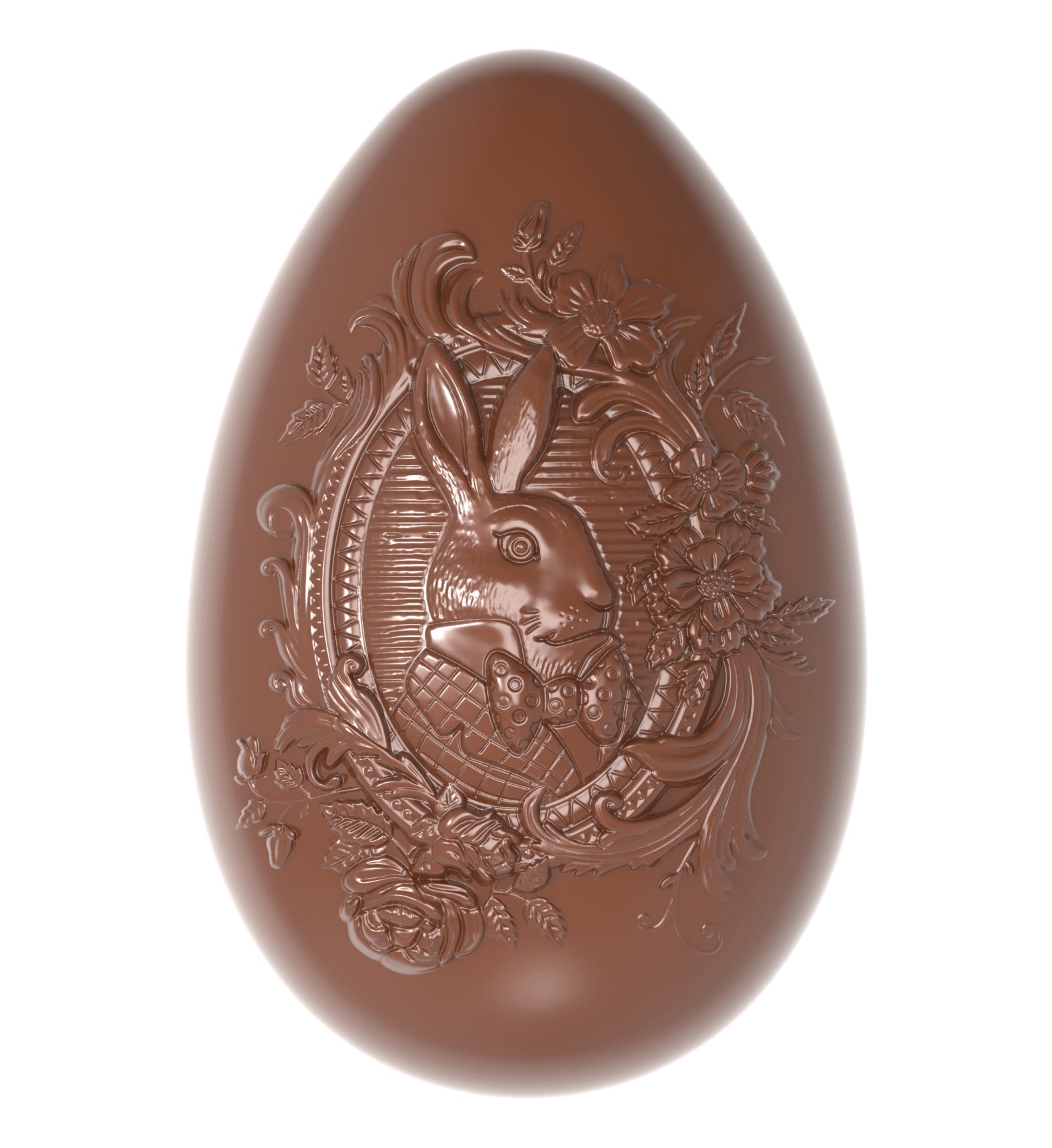
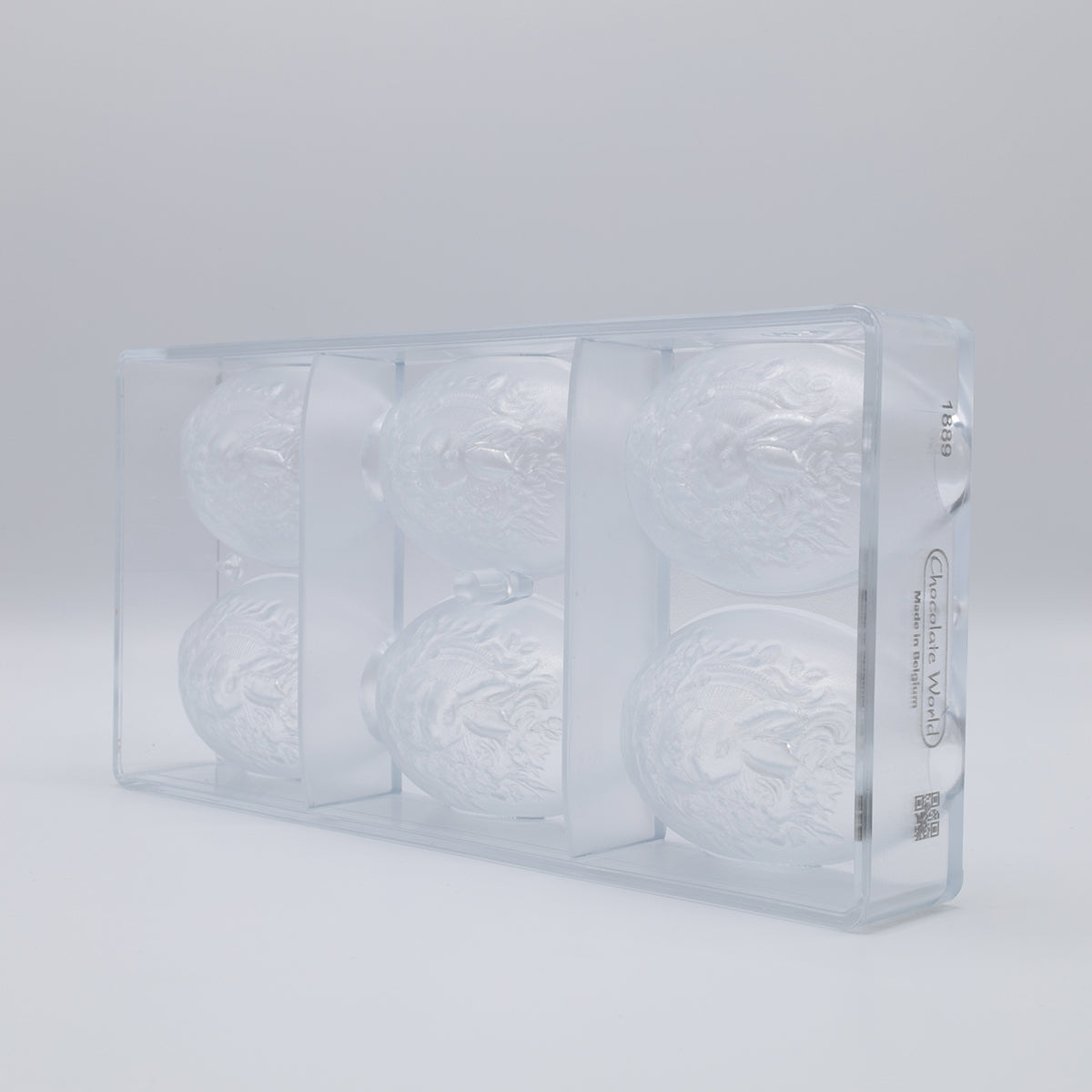
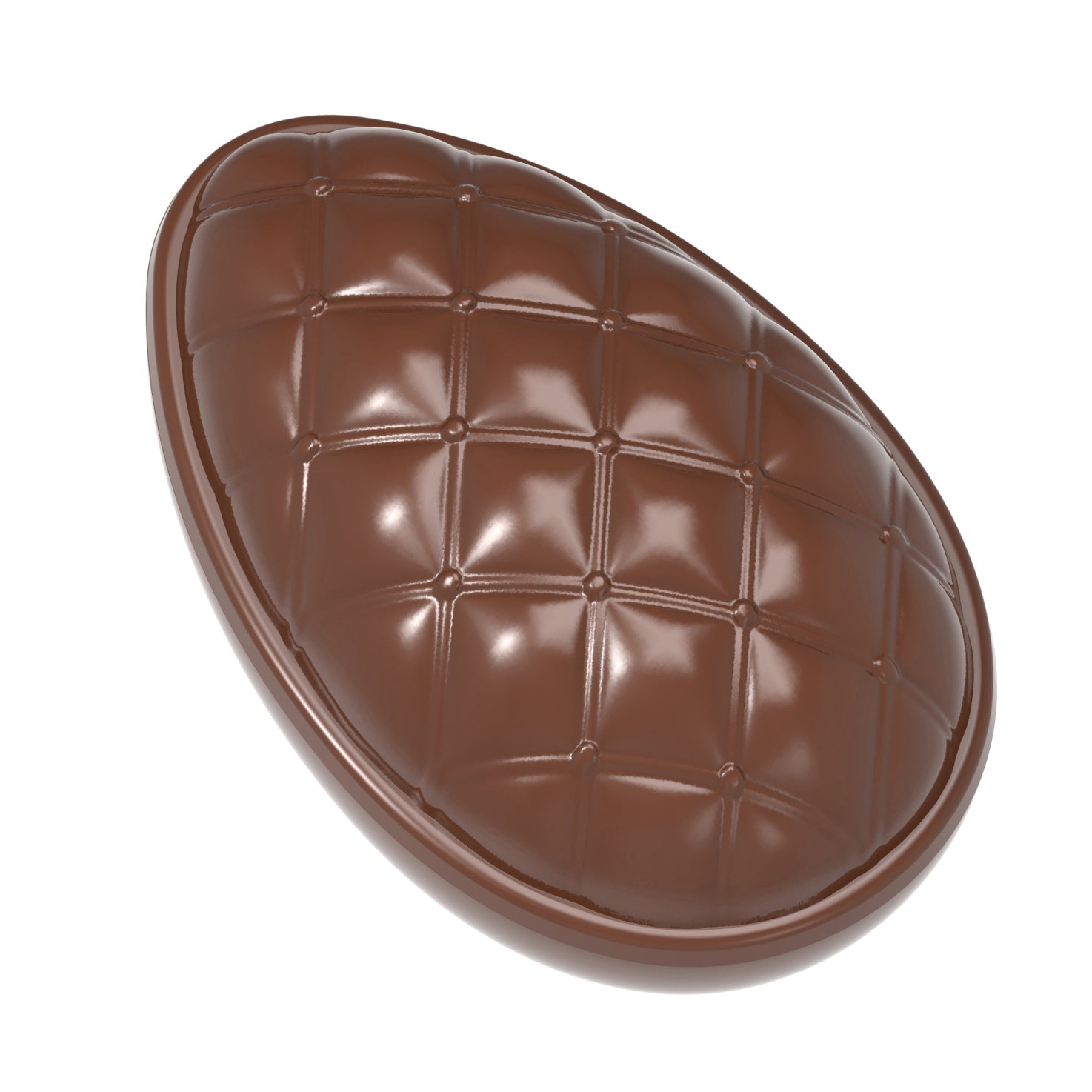
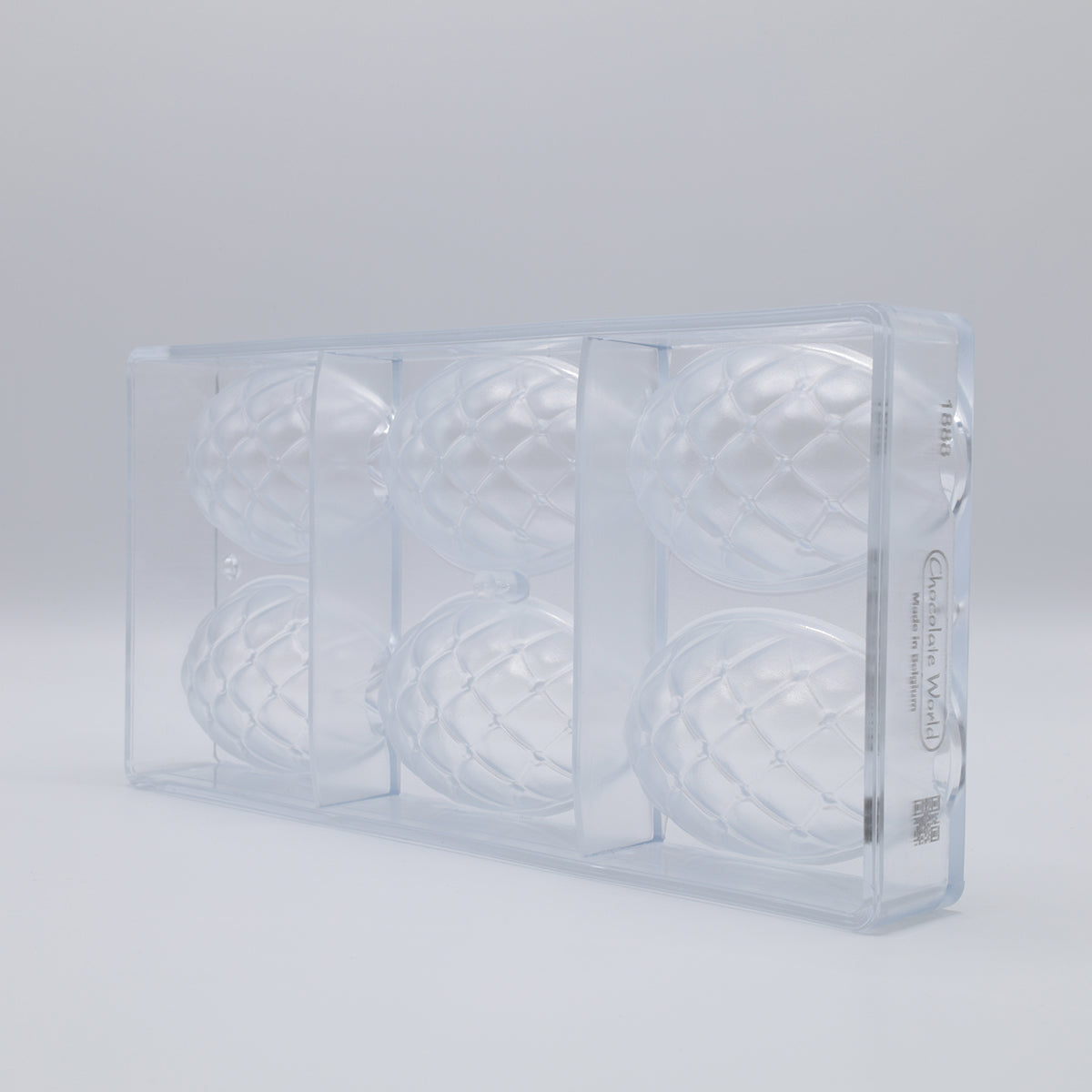
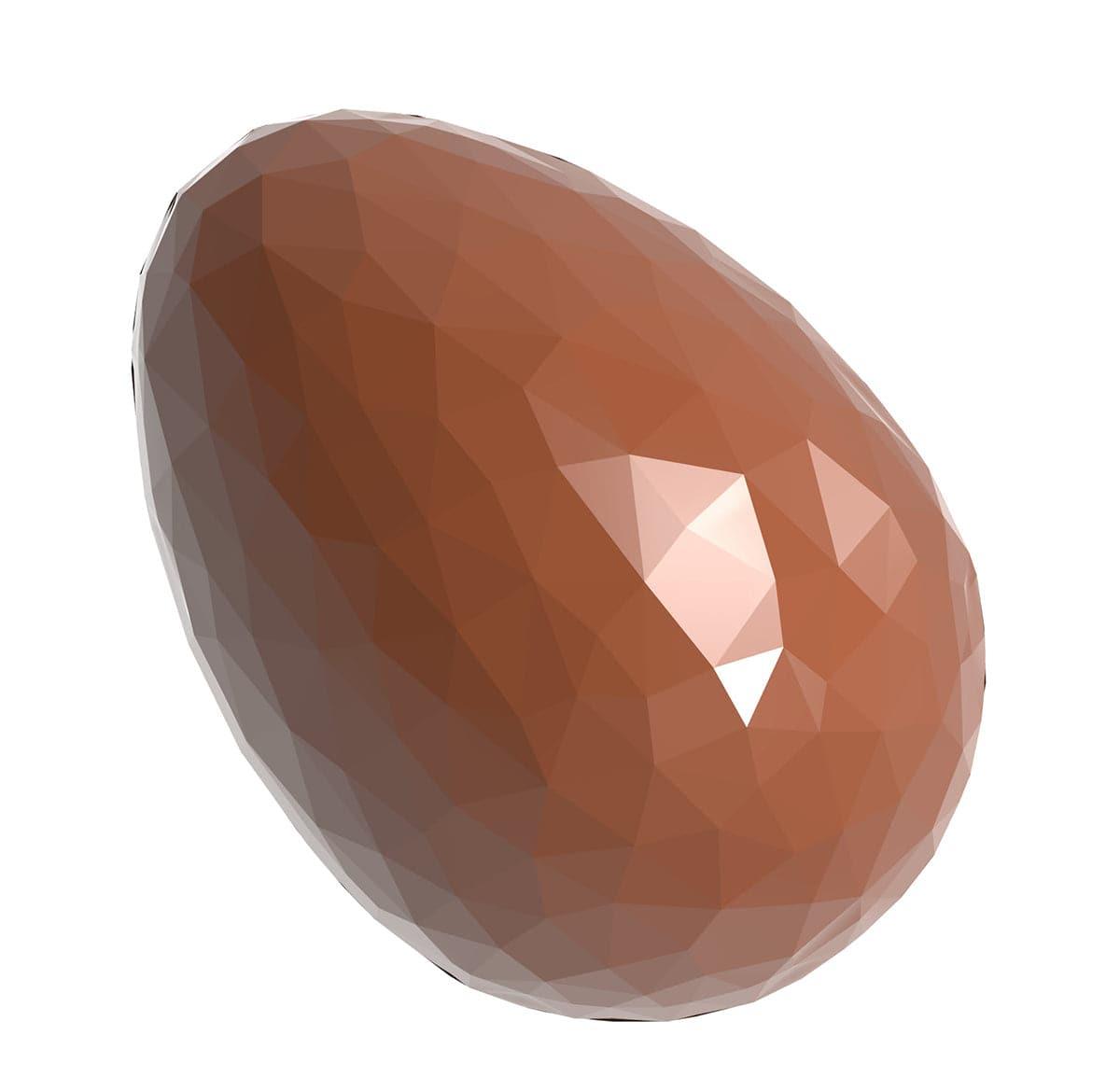
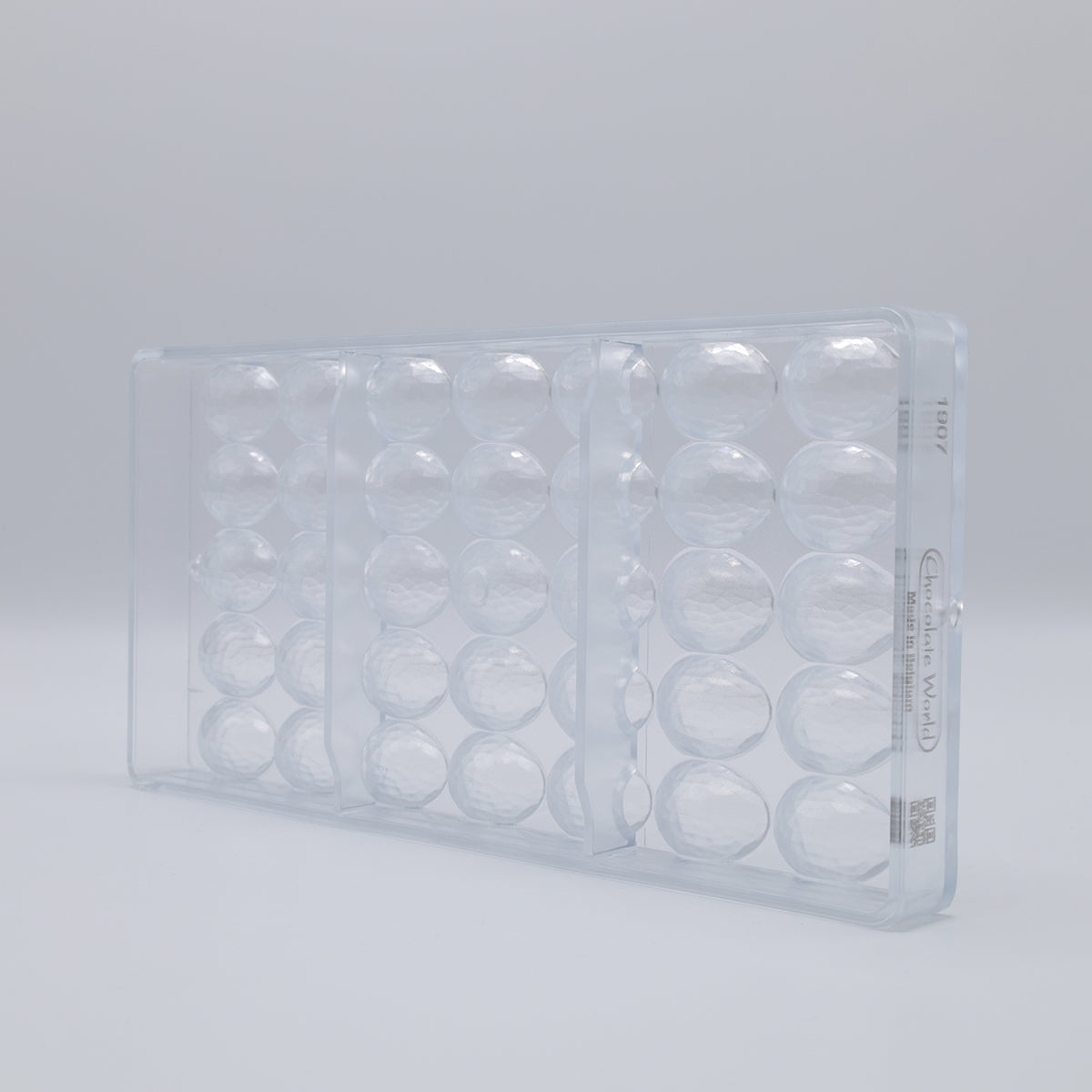

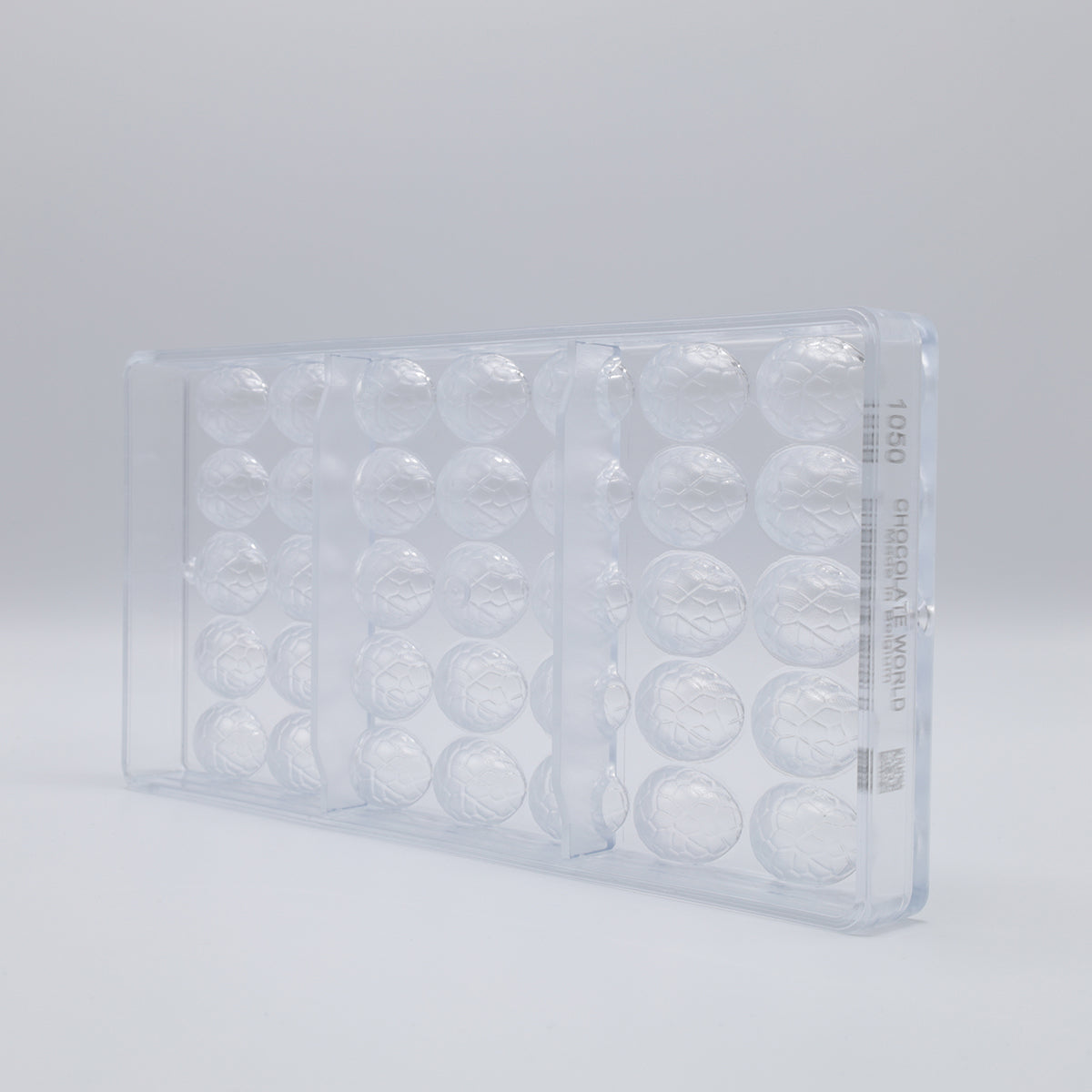
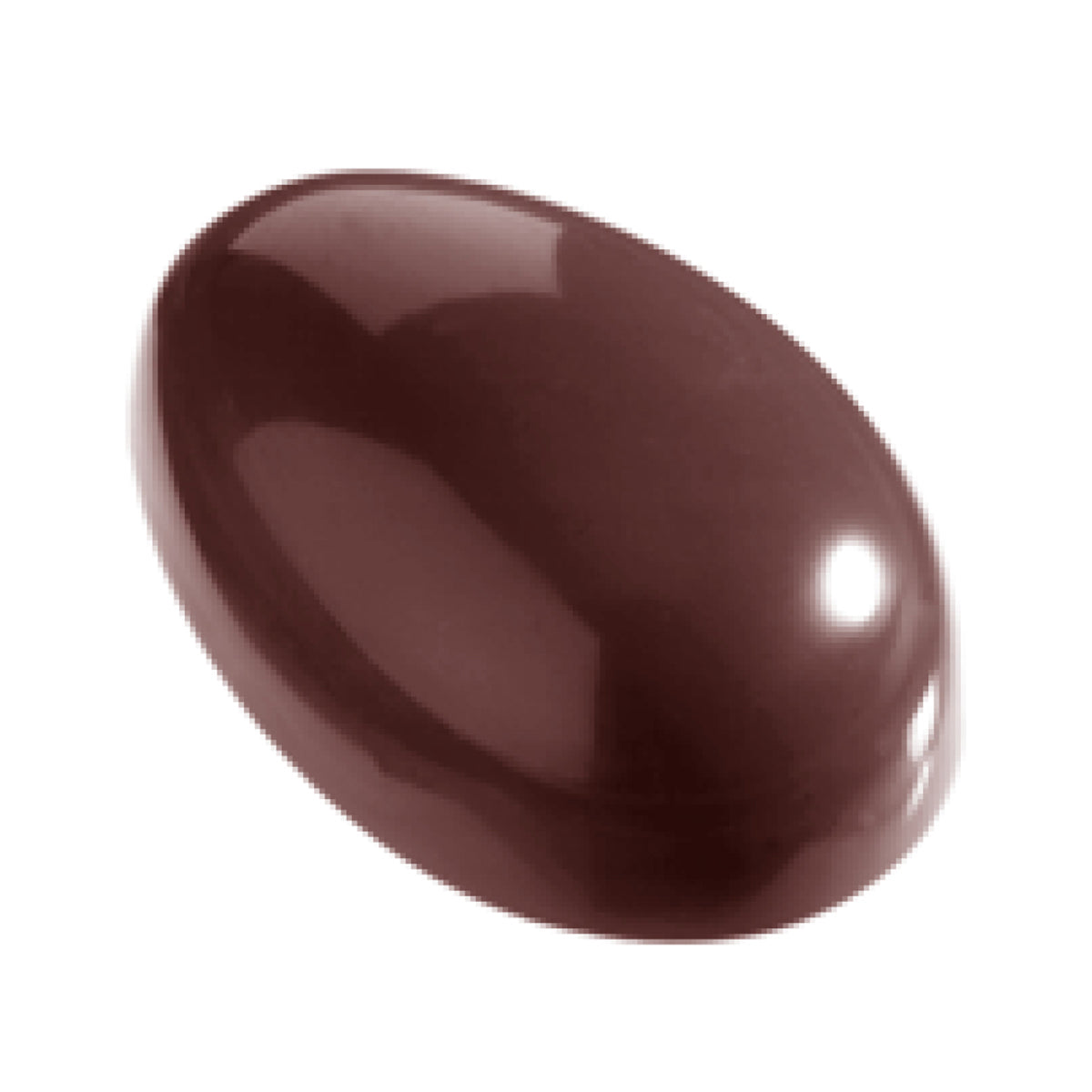
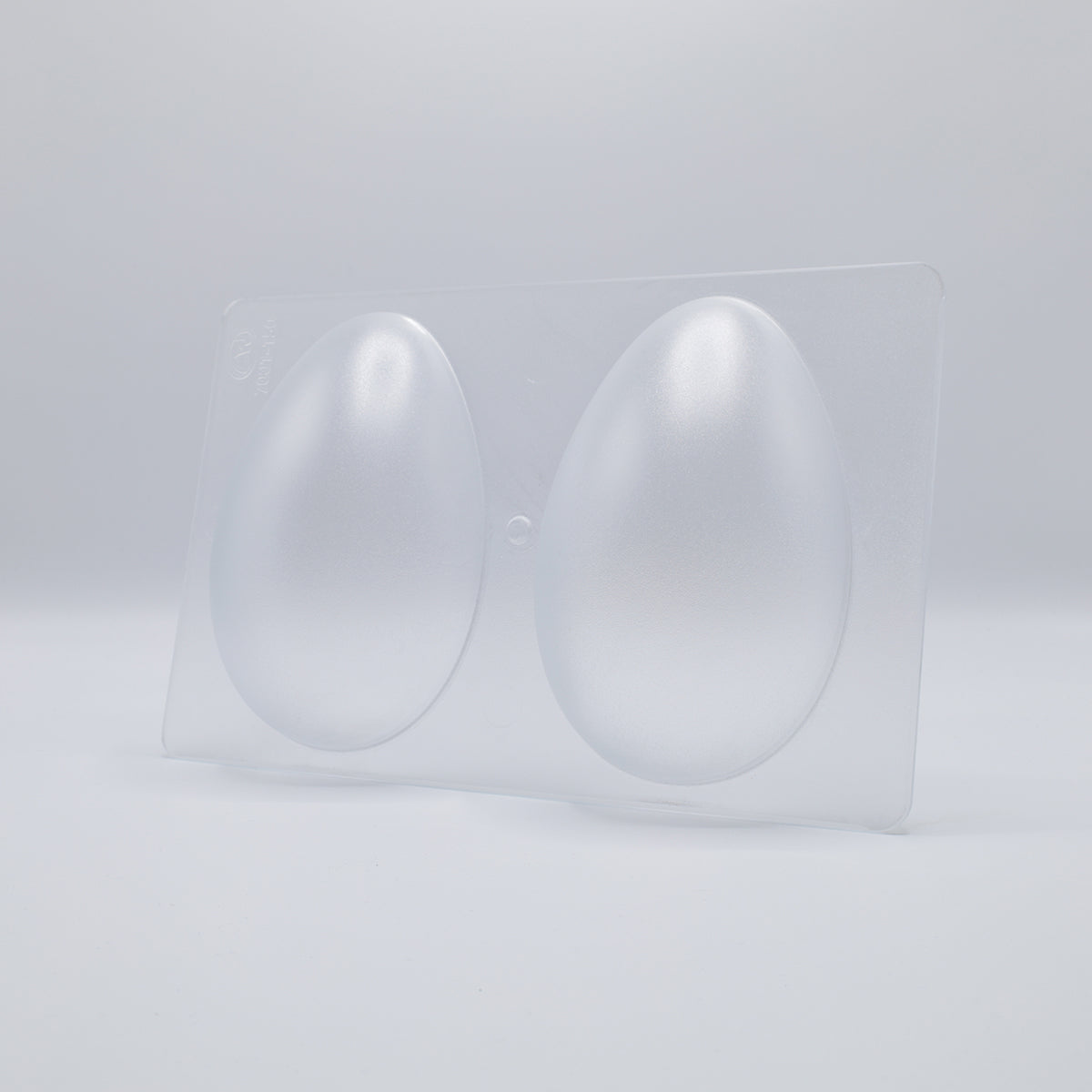
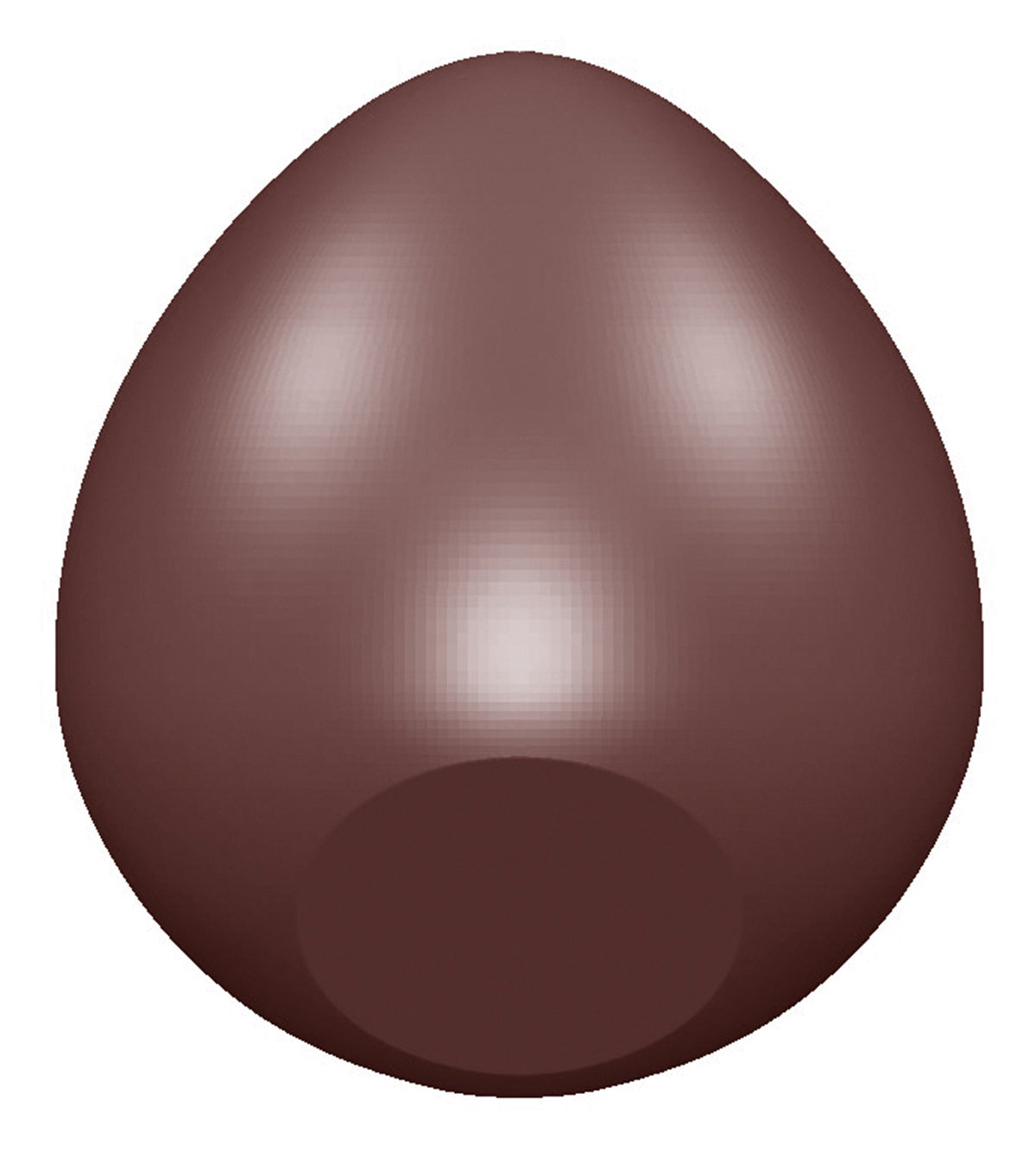
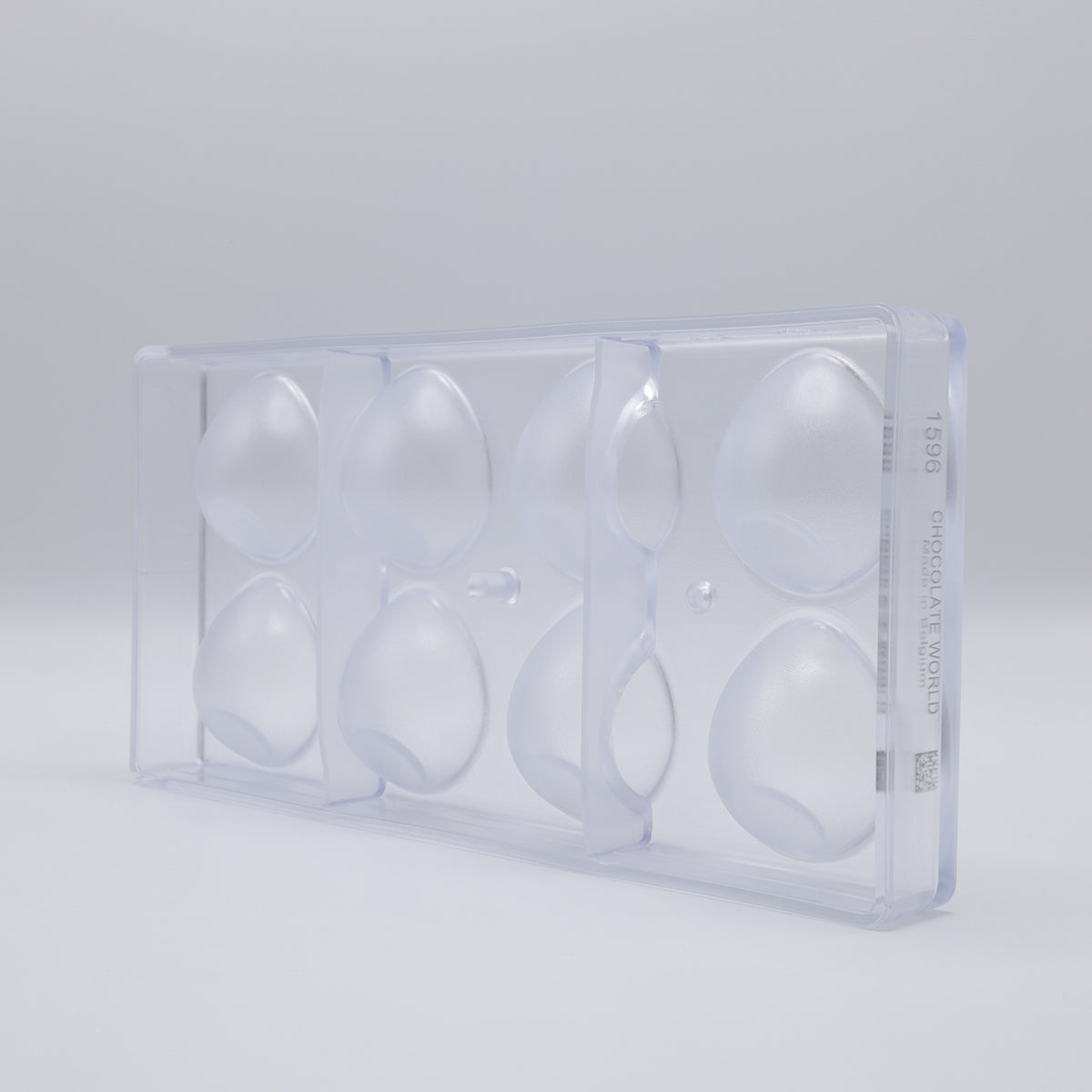


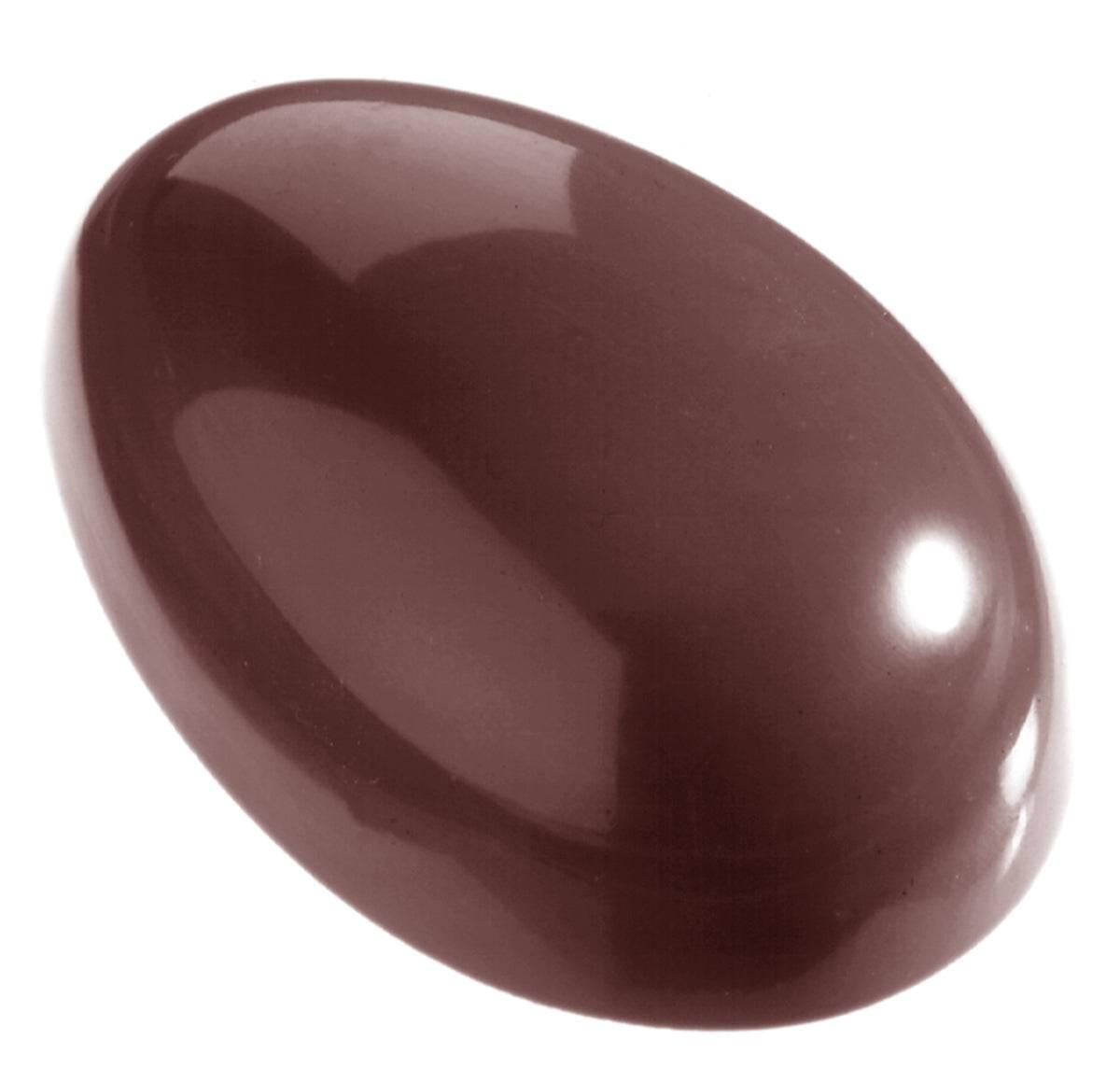
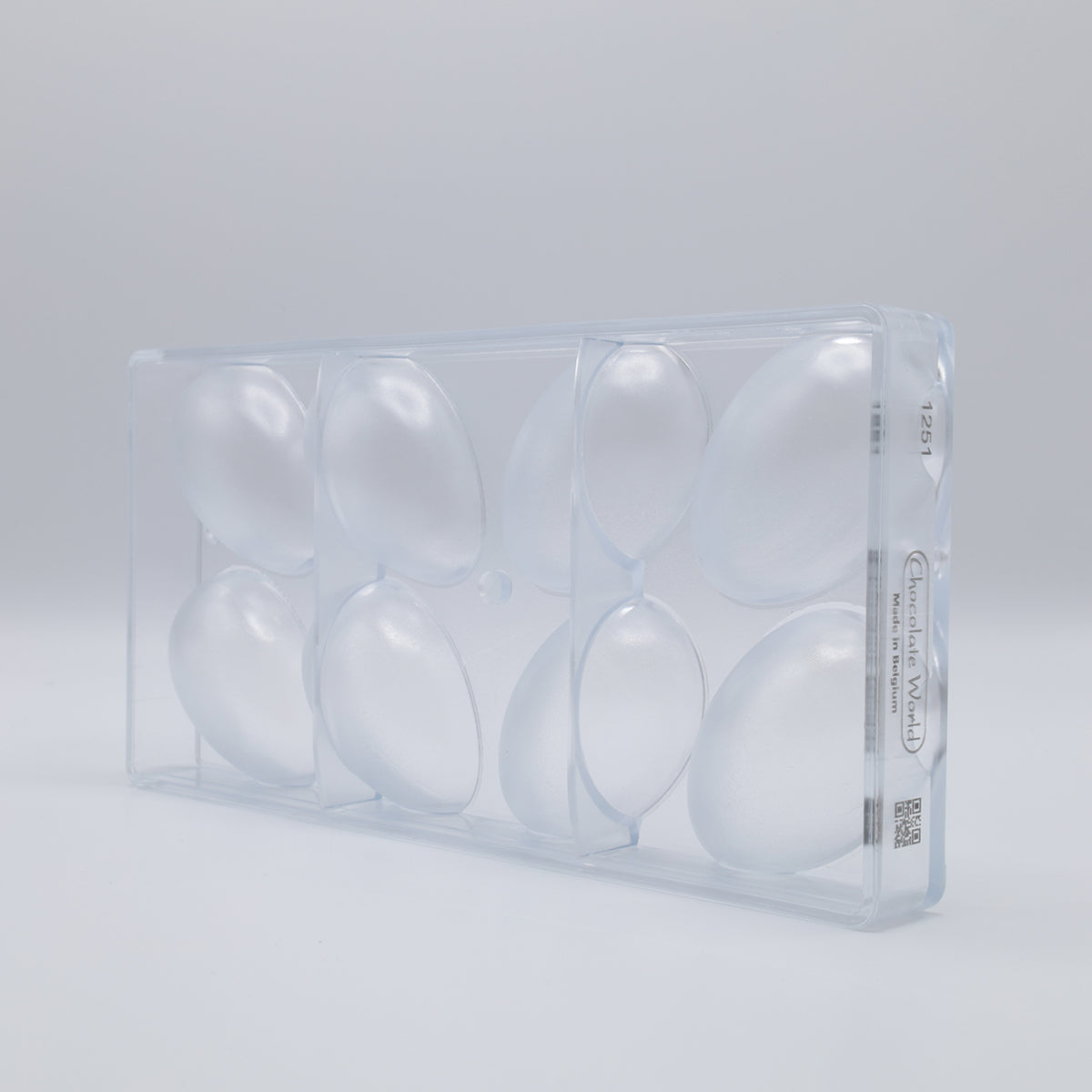
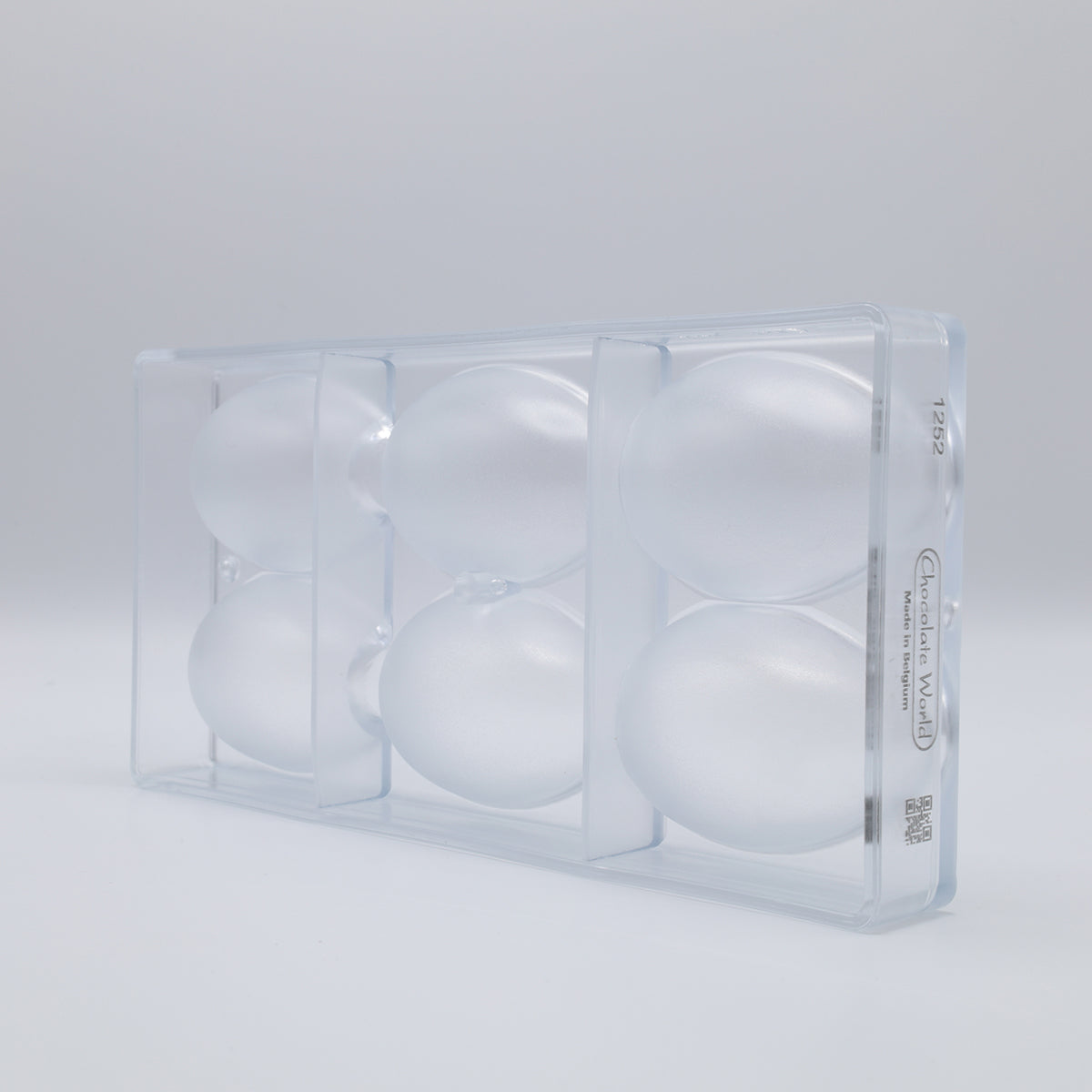
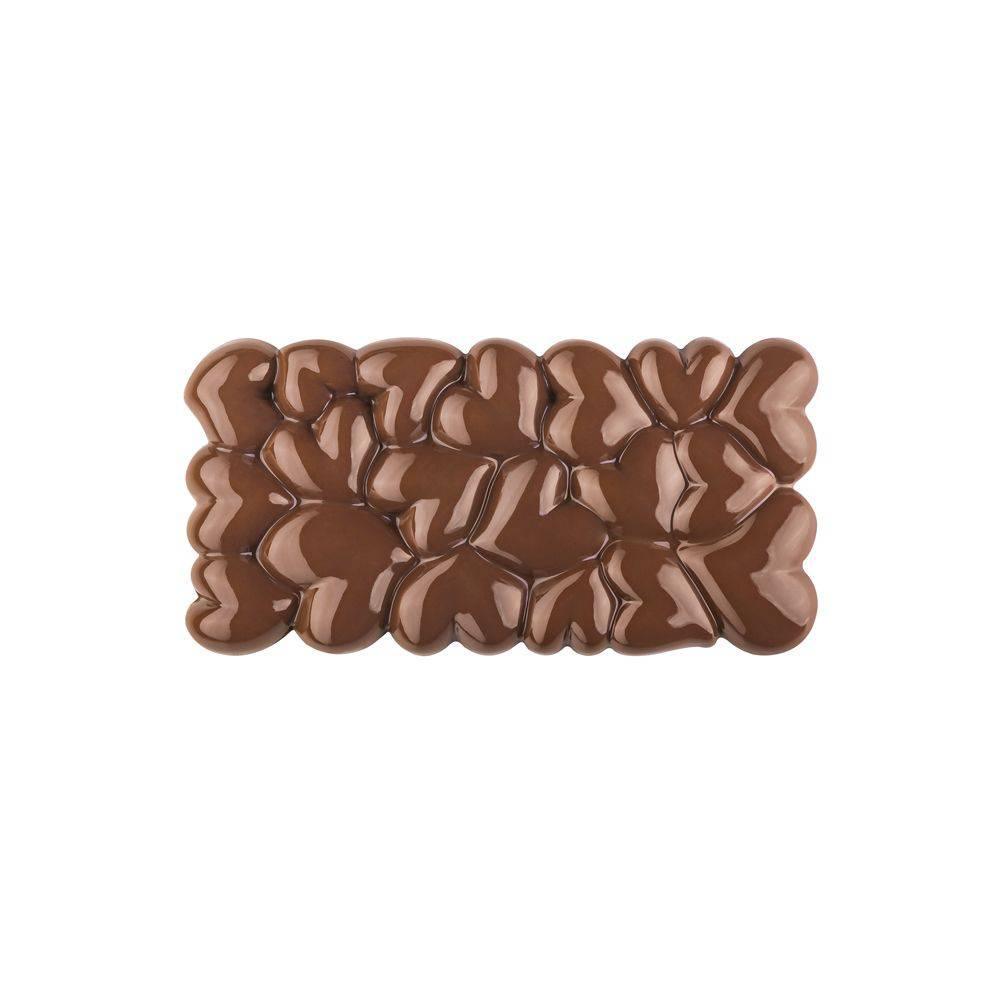
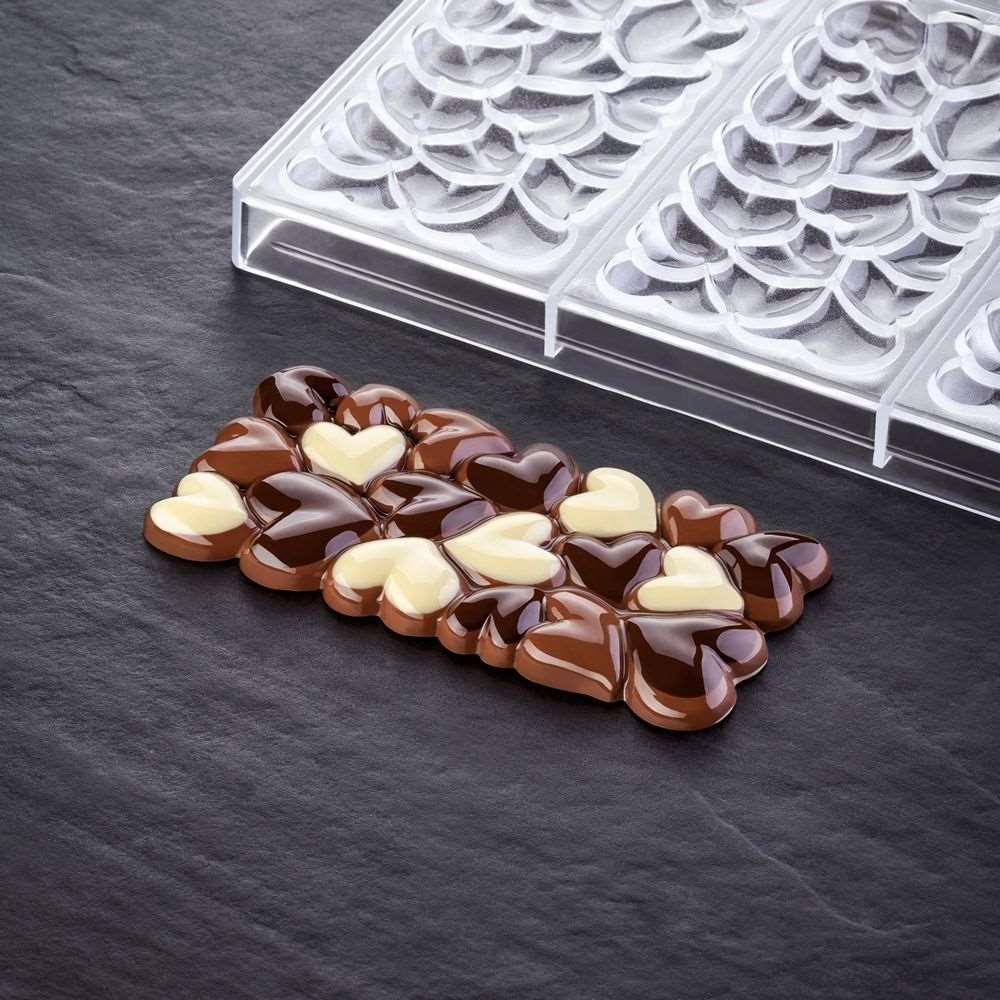


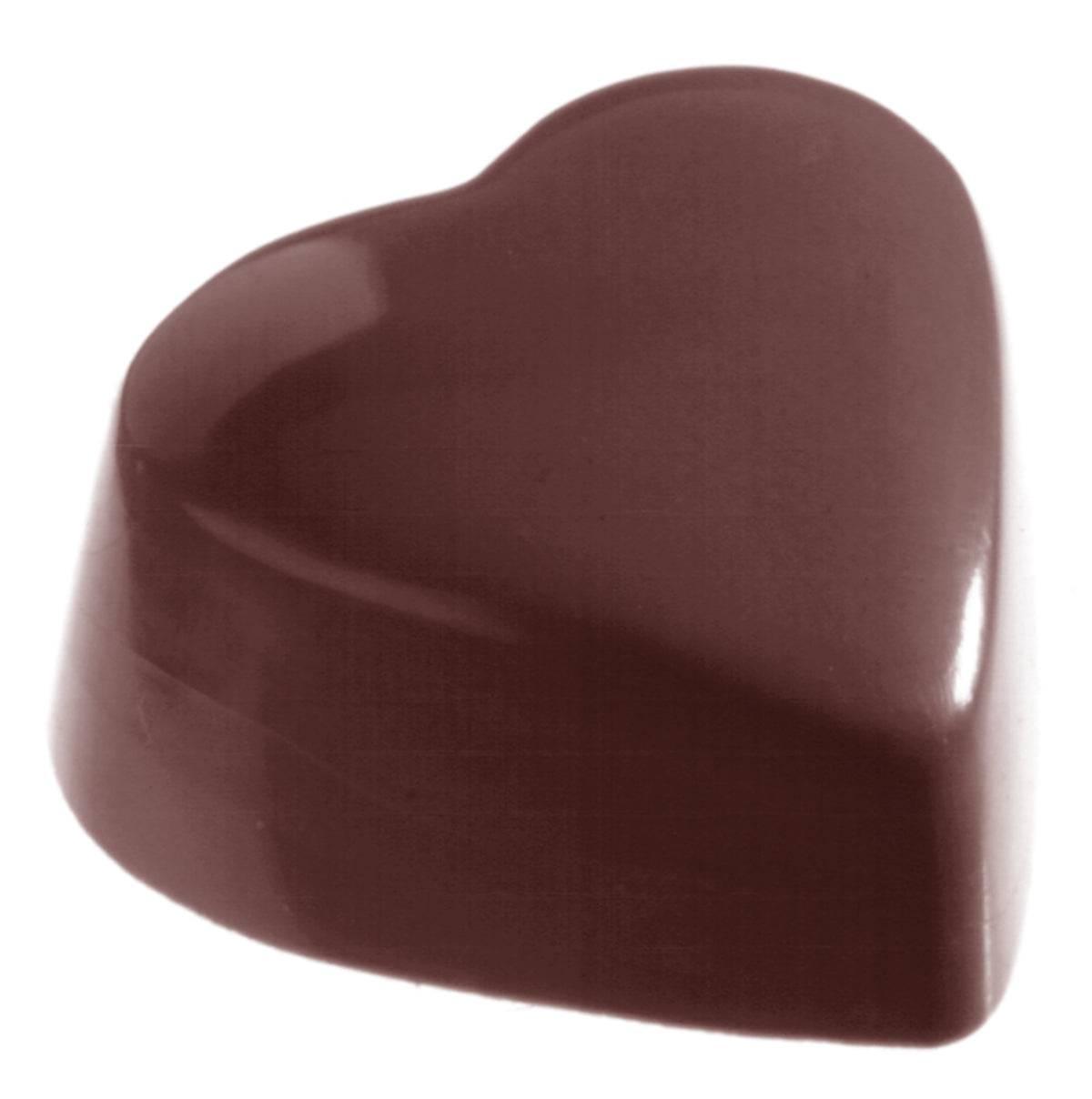
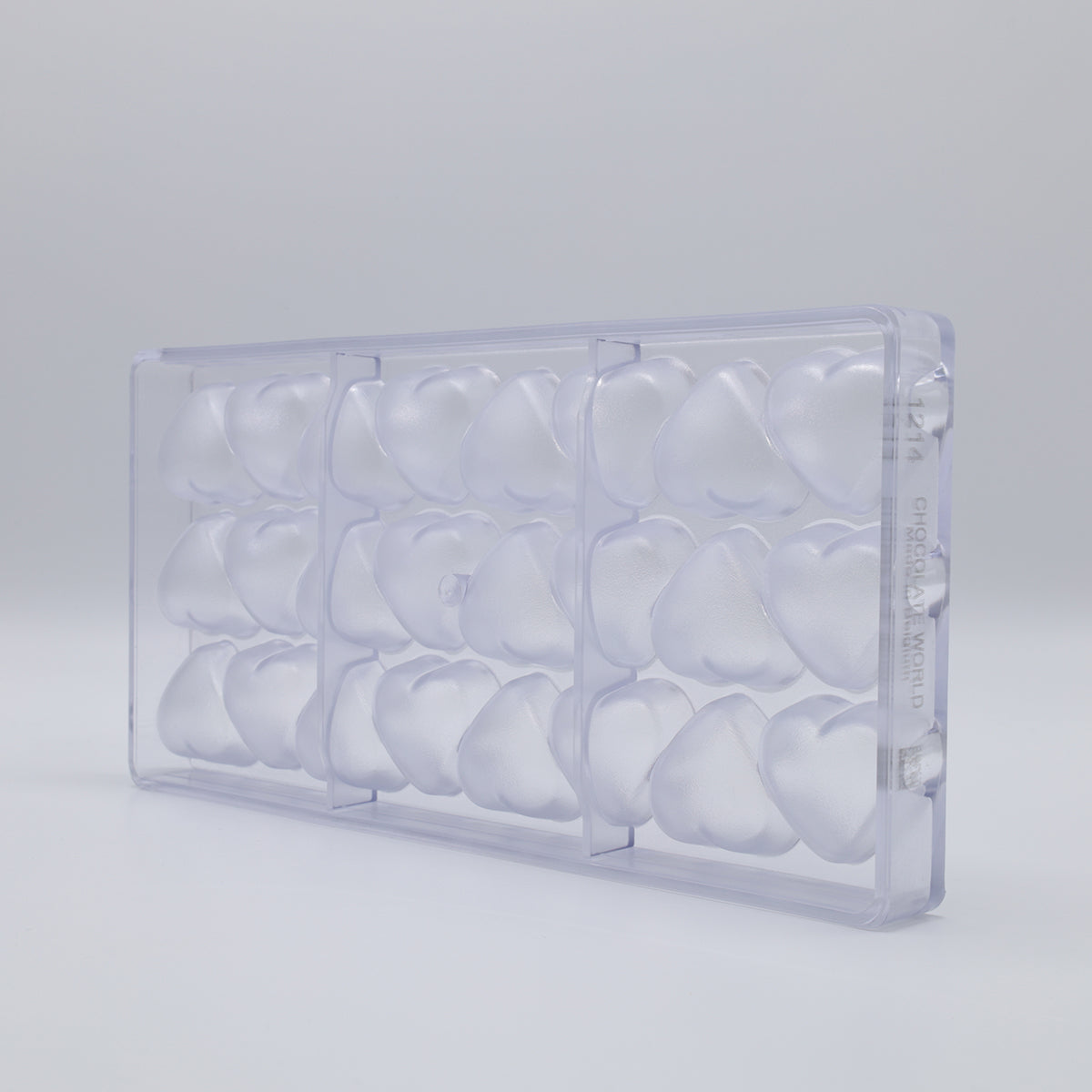


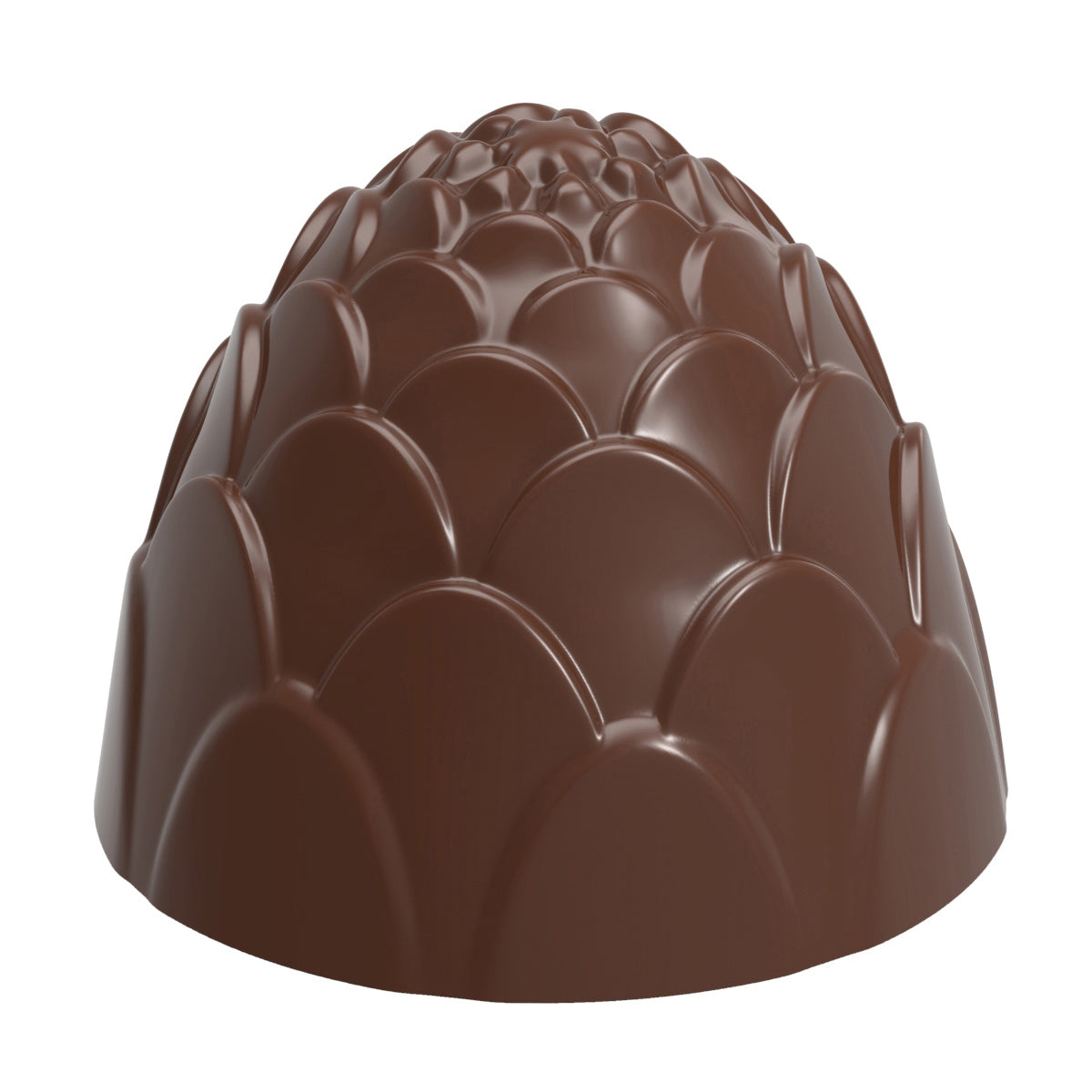
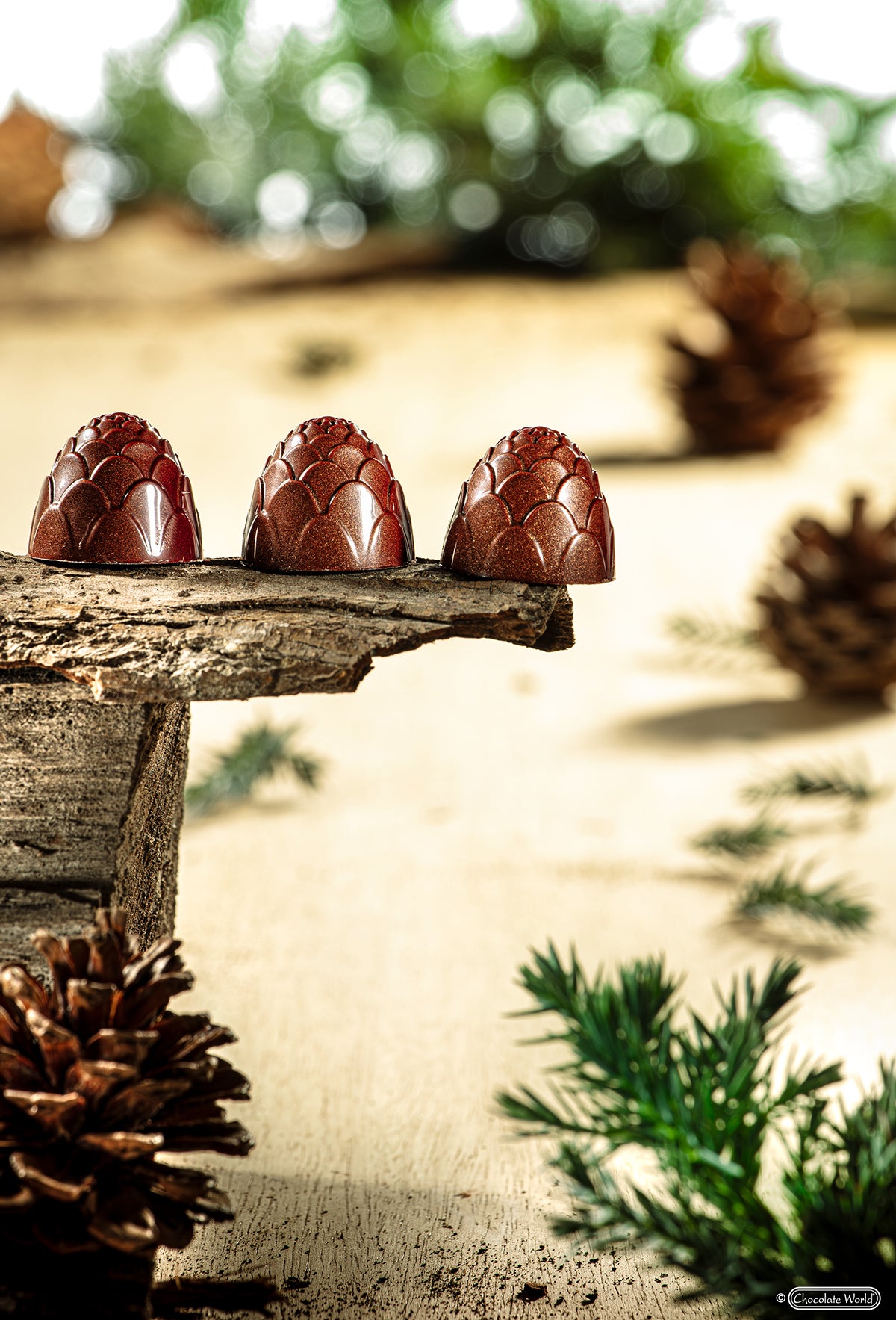
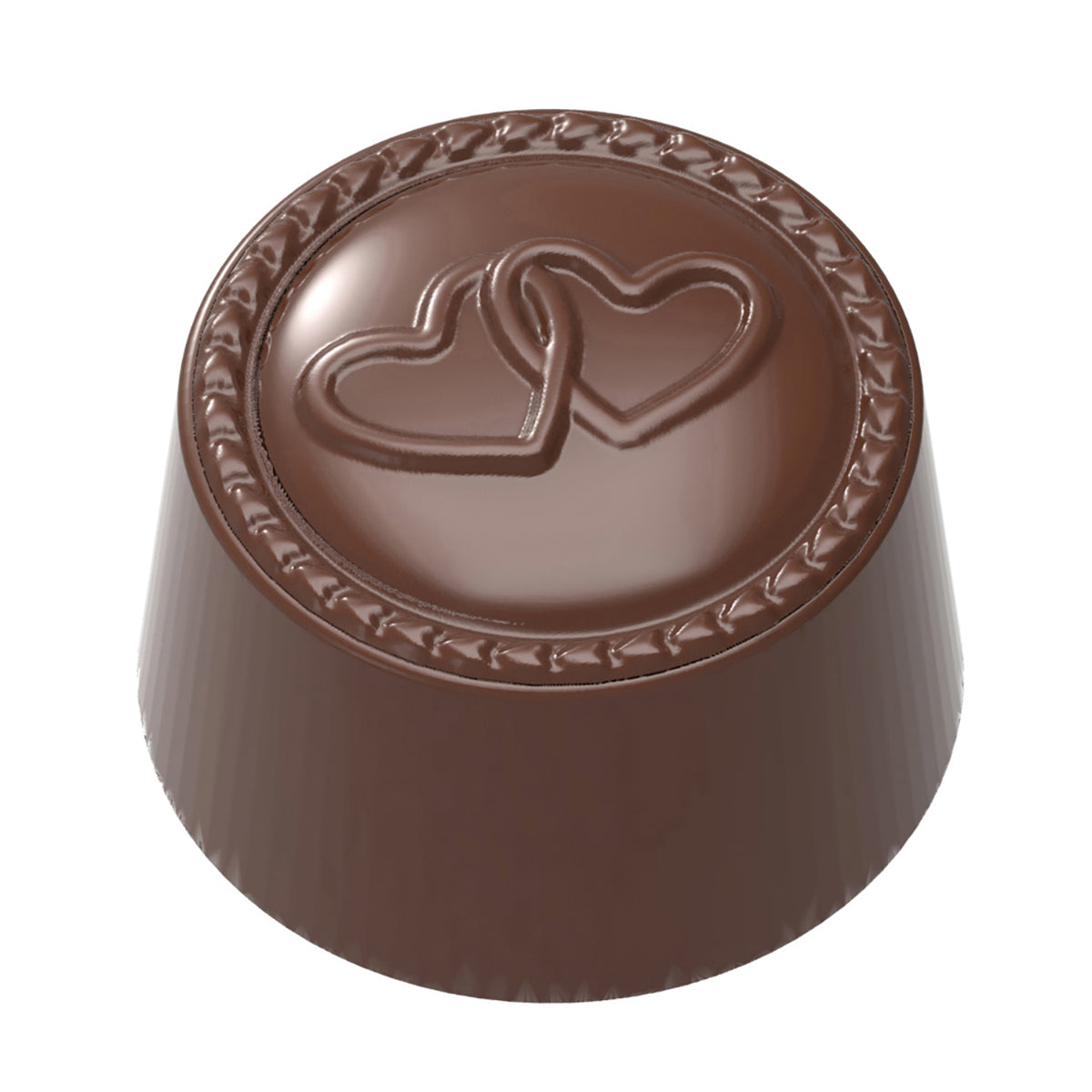
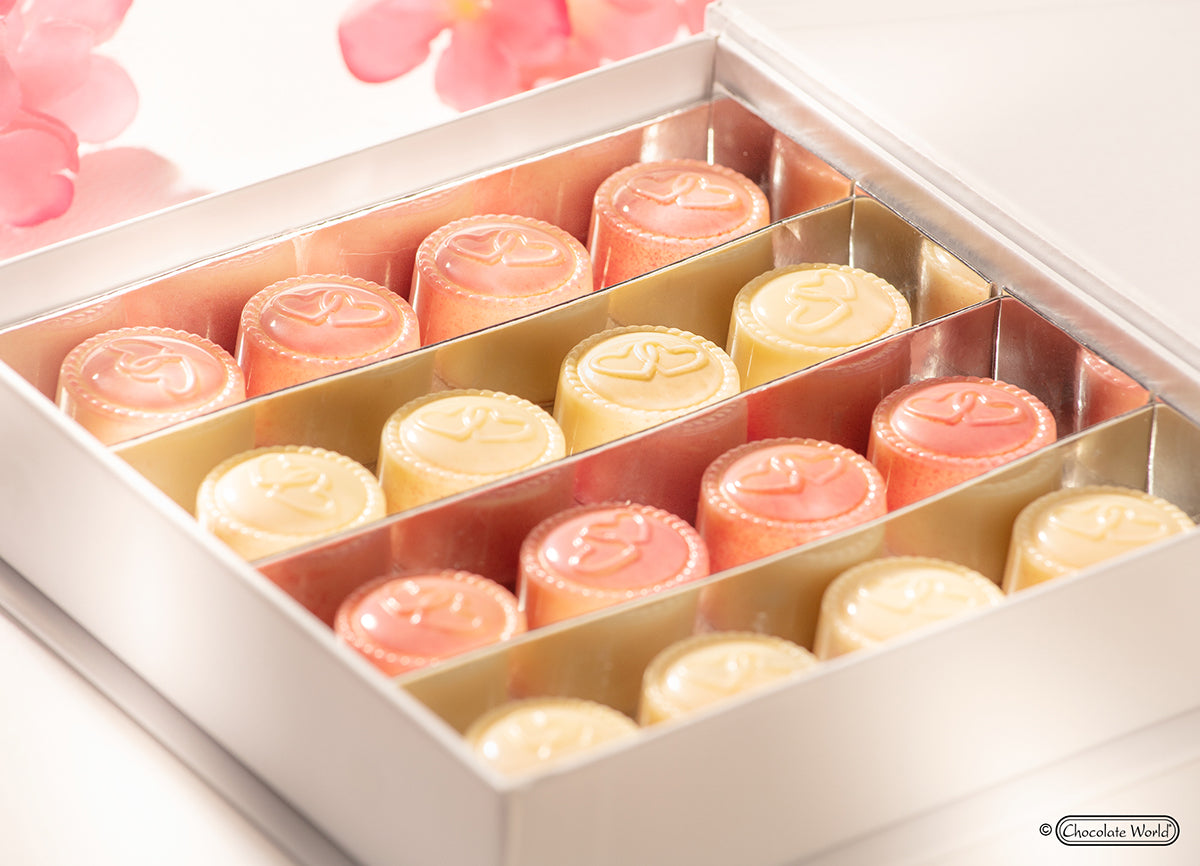





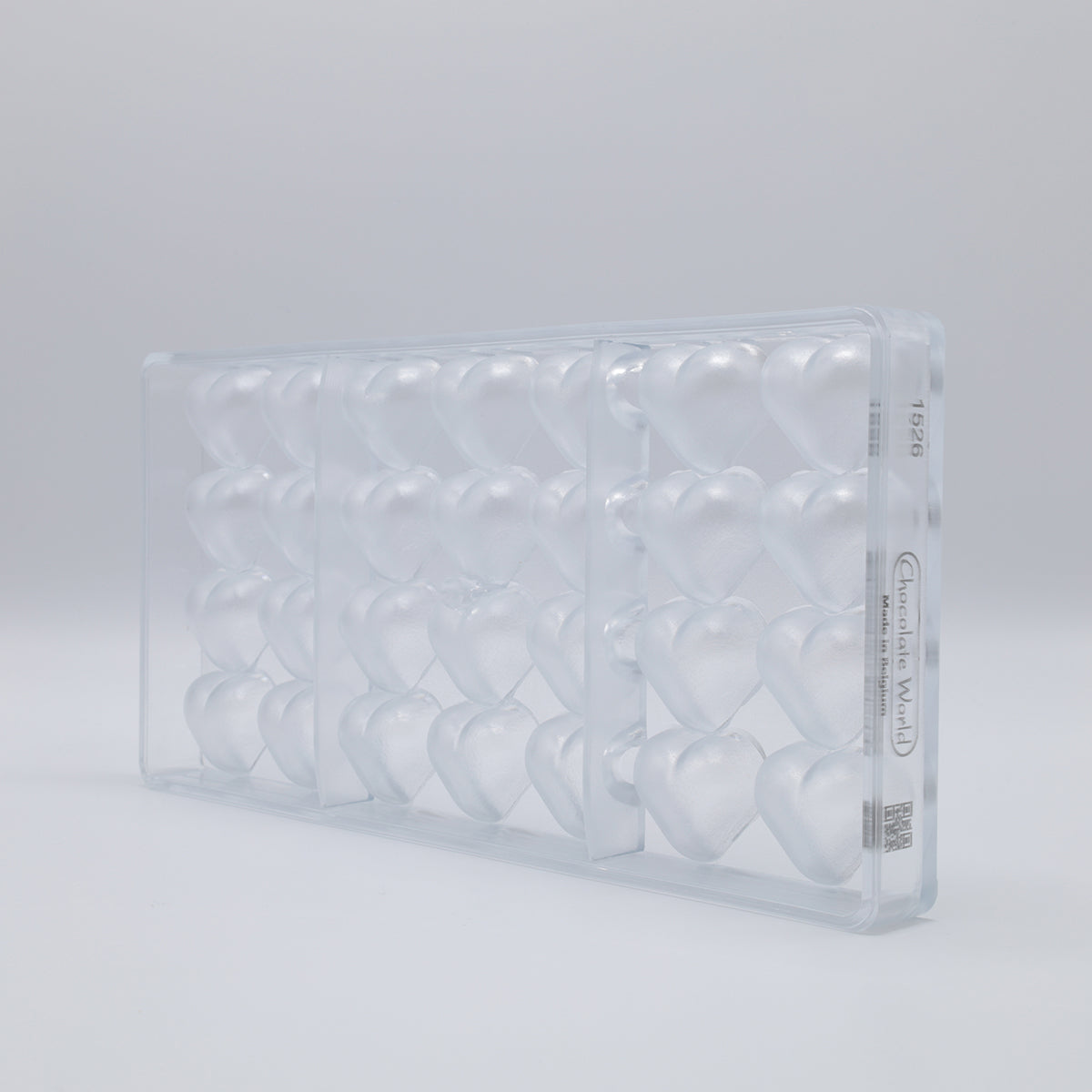

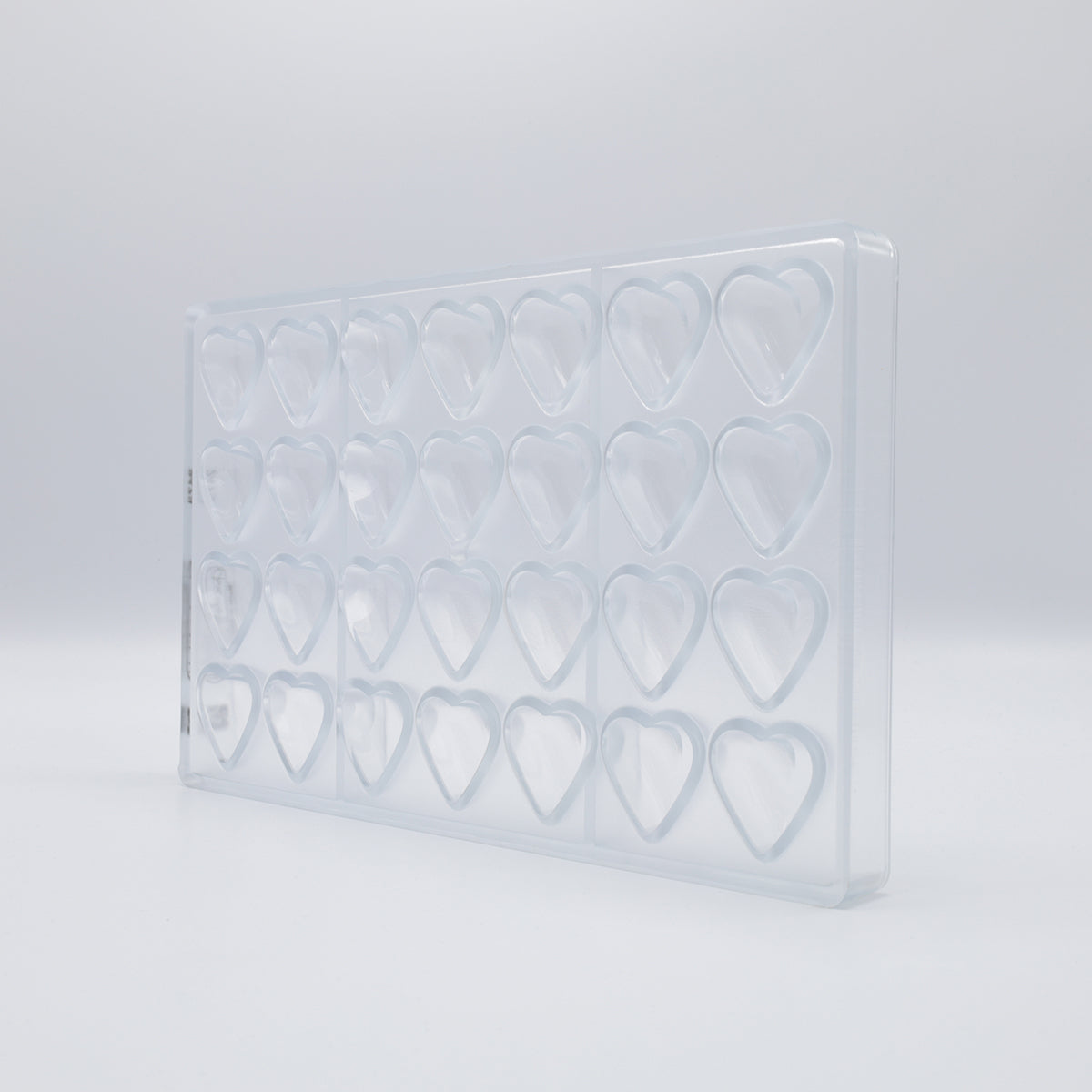
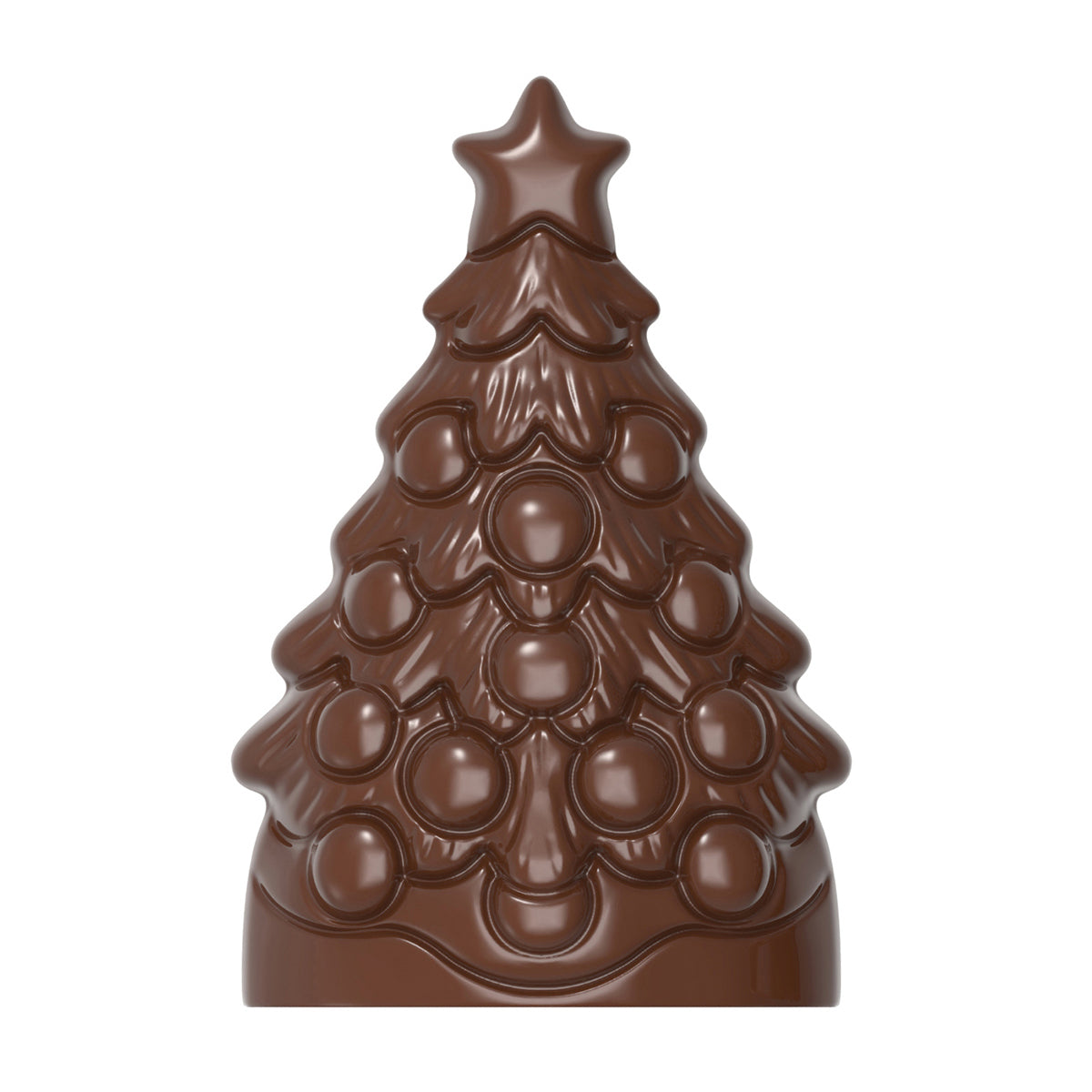


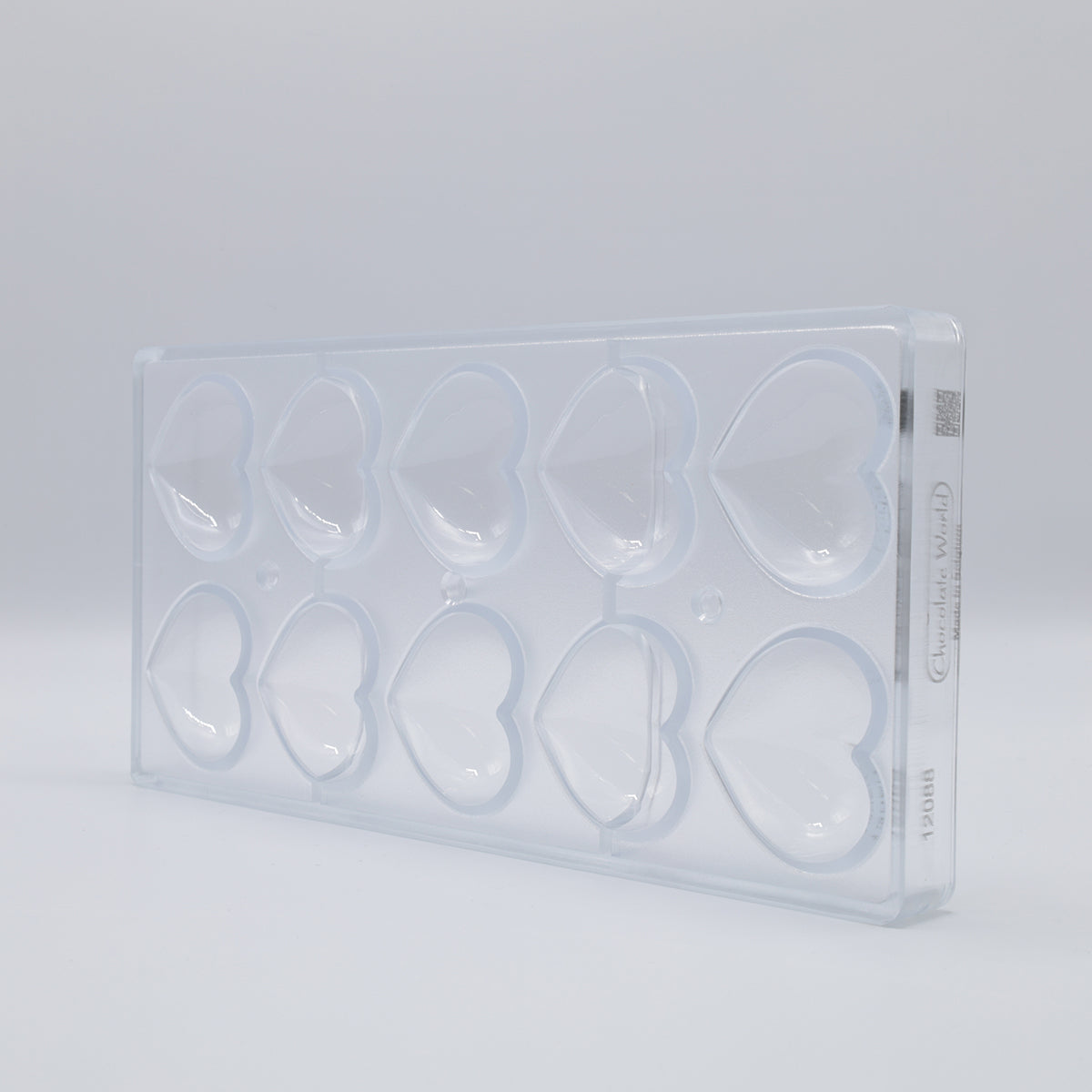

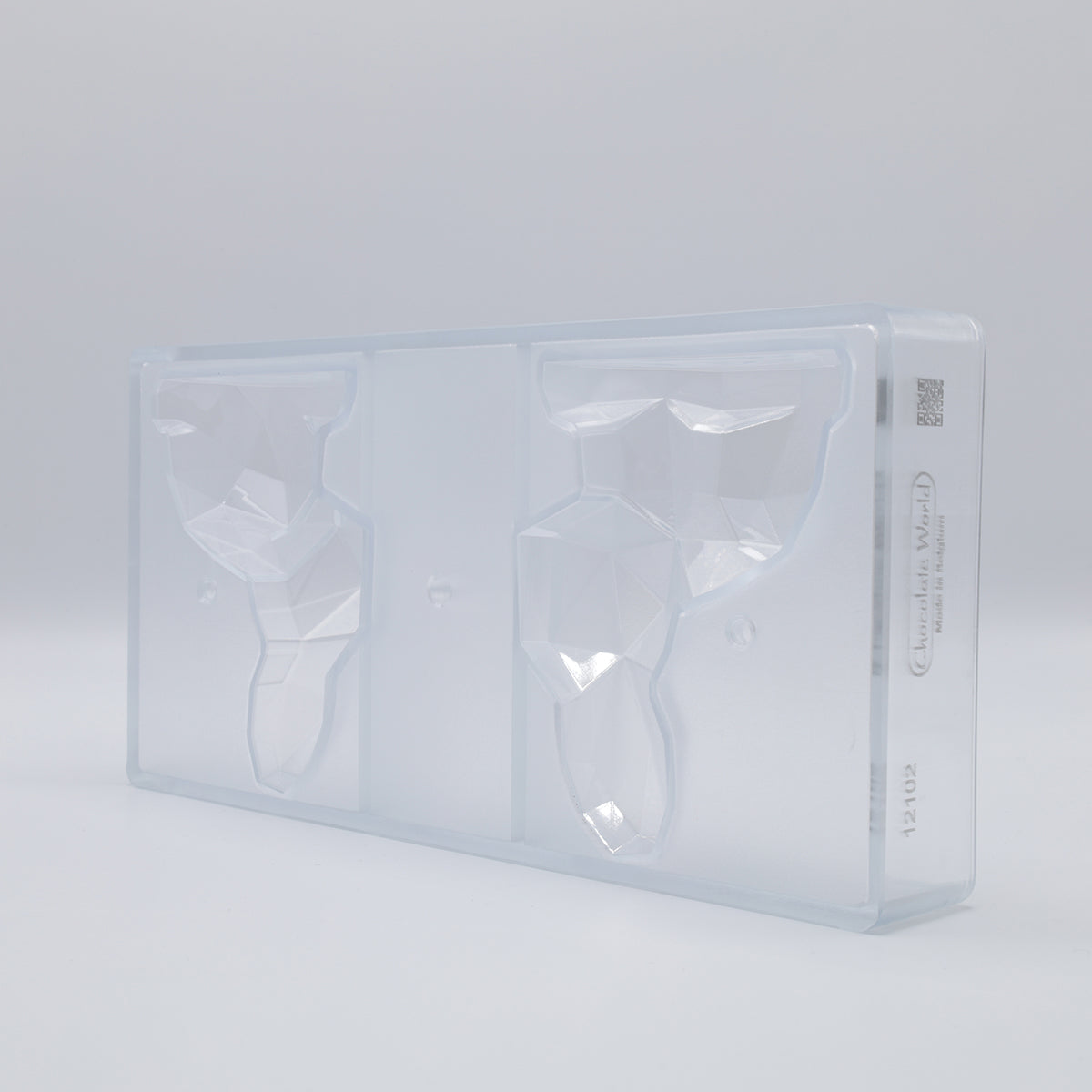
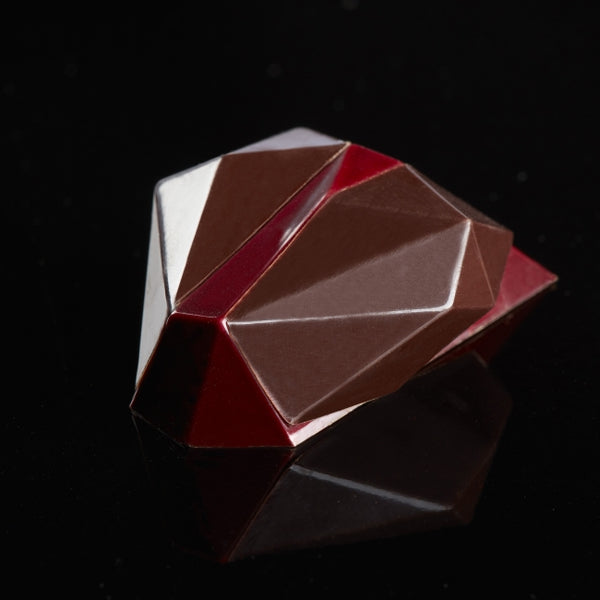
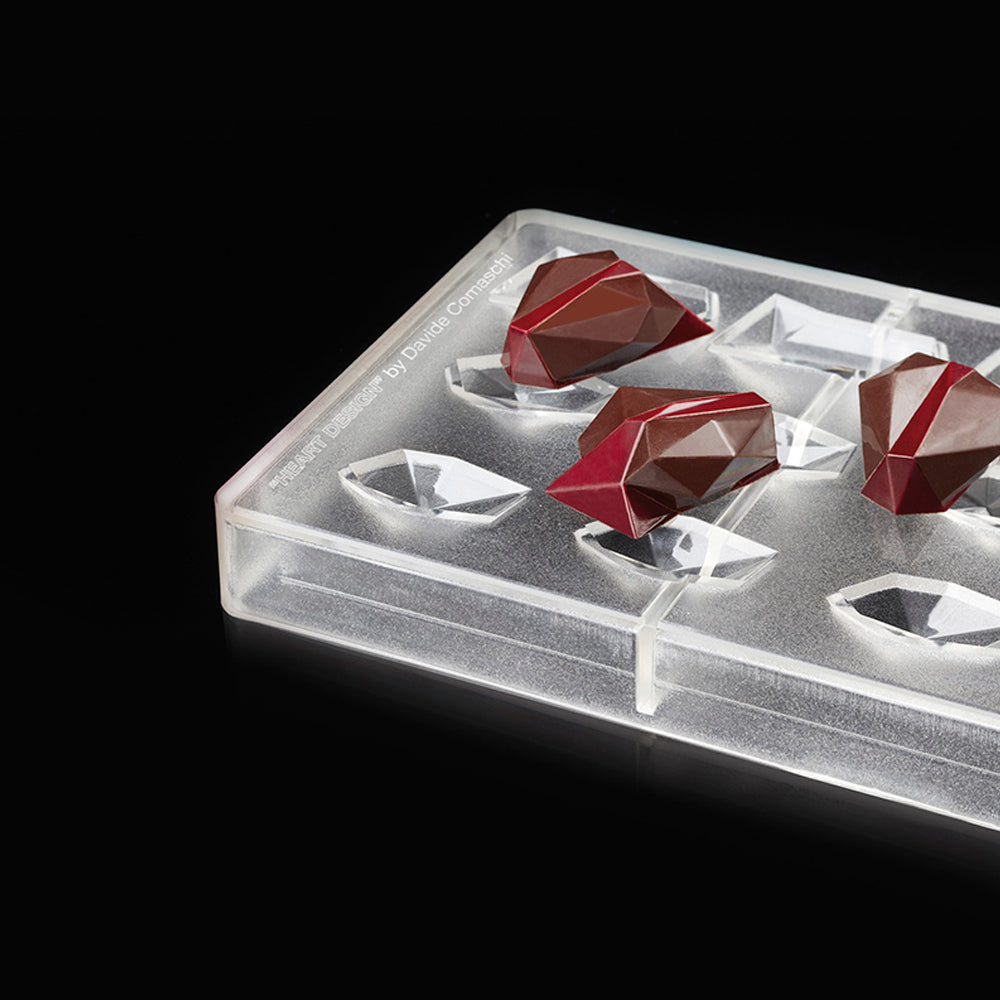
Three-dimensional chocolate creations captivate customers in ways flat bars and simple bonbons cannot. A 3D chocolate mold transforms melted chocolate into intricate sculptures—Santa figures for Christmas, elaborate Easter bunnies, or architectural masterpieces that command attention in retail displays. These professional molds enable chocolatiers to produce showpiece items that drive seasonal sales spikes while showcasing technical craftsmanship that justifies premium pricing.
When Flat Chocolates Aren't Enough
Seasonal celebrations create perfect opportunities for dimensional chocolate work. Customers shopping for gifts or holiday centerpieces seek memorable items beyond standard boxed assortments. A life-sized chocolate Santa or detailed Easter egg becomes the focal point of celebrations, generating social media shares and word-of-mouth marketing that advertising cannot buy.
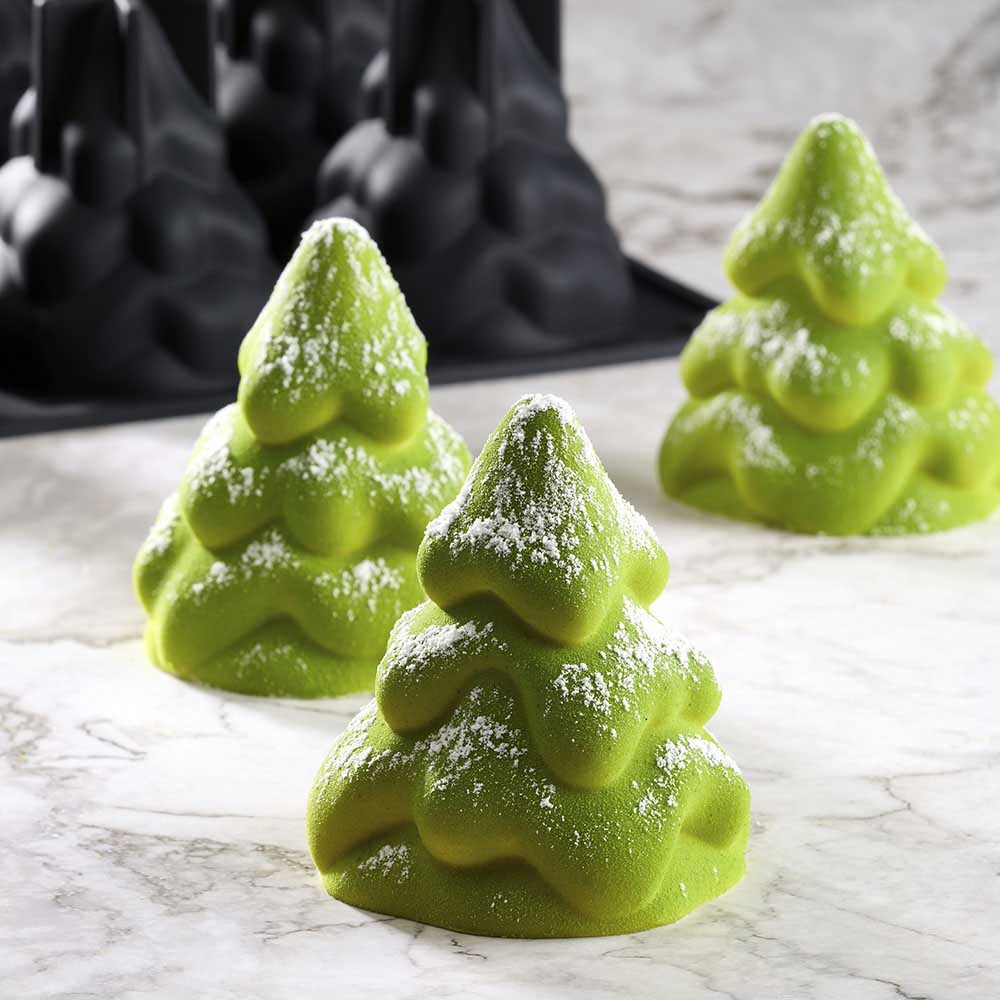
Production versatility makes 3D molds valuable year-round investments. While initially purchased for specific holidays, quality molds last decades with proper care. That Christmas tree mold purchased this November will produce hundreds of pieces annually for years, amortizing its cost across thousands of chocolates. The durability of professional molds from the 3D seasonal chocolate molds collection ensures long-term value rather than disposable seasonal purchases.
Profit margins on dimensional pieces significantly exceed flat chocolates. A 200g chocolate Santa retails for 3-4 times the price of equivalent weight in bars, yet production costs remain similar—just chocolate and labor. This markup reflects perceived value and gift-worthiness rather than actual material costs. Smart chocolatiers recognize seasonal 3D items as profit drivers that subsidize year-round operations.
Navigating Seasonal Opportunities
Winter Holiday Productions
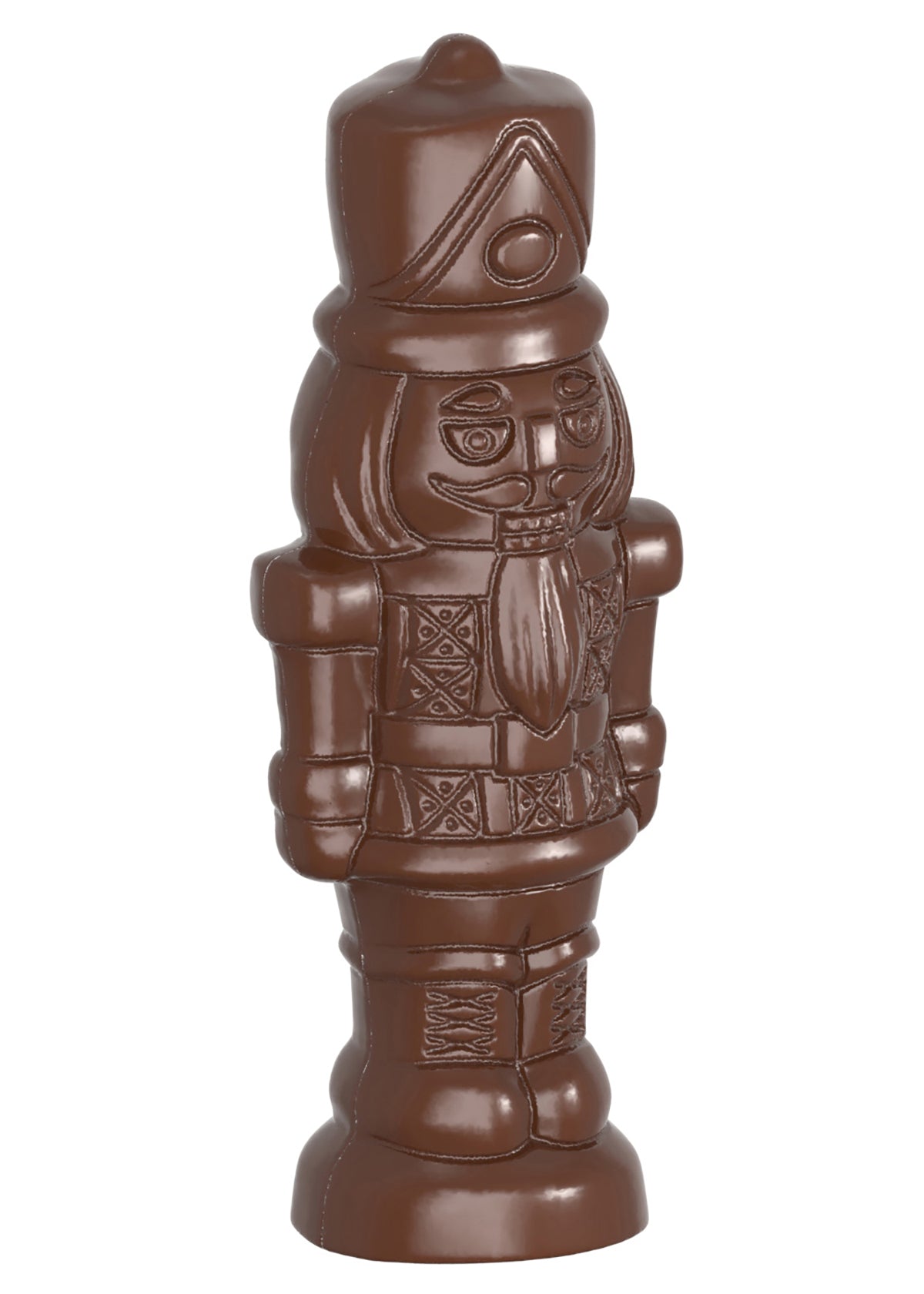
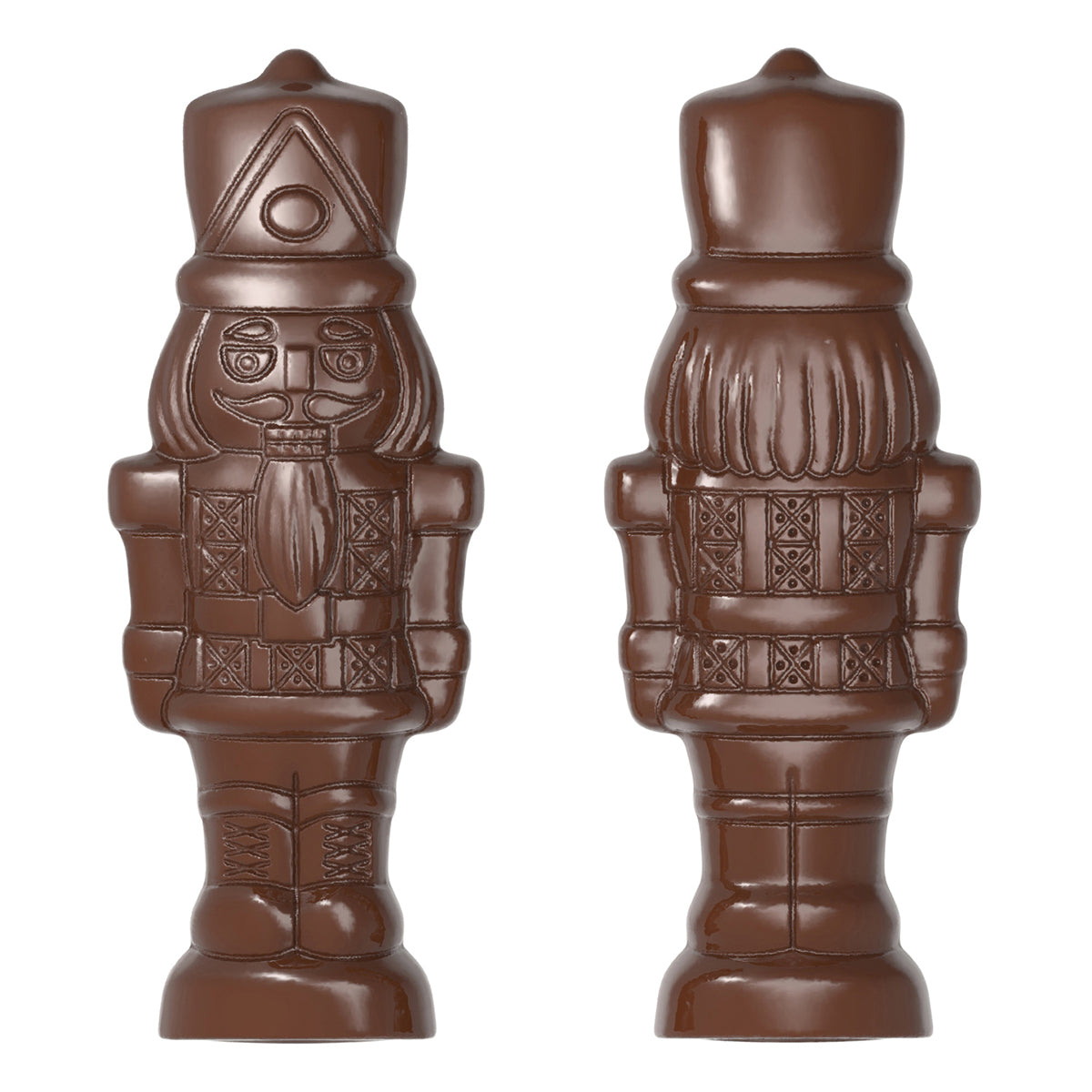
Christmas dominates chocolate calendars for most operations. Classic figures like Chocolate Mould Magnetic Santa Claus and the Nutcracker Christmas Chocolate Mold deliver traditional appeal that customers expect. These recognizable forms sell reliably year after year, making them safe initial investments for operations testing seasonal production.
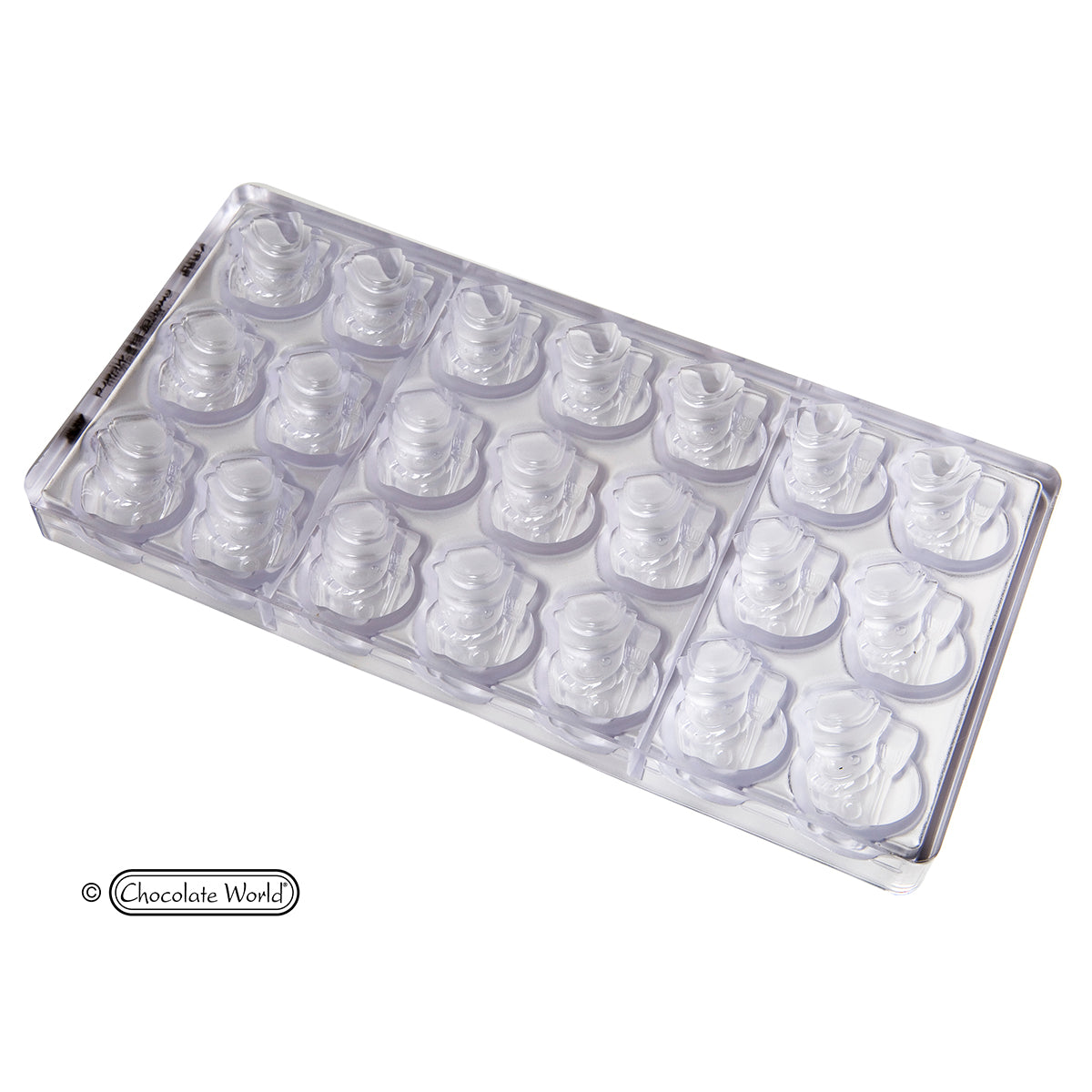
Snowmen and winter animals expand offerings beyond religious themes, appealing to broader markets. The Chocolate Mold Snow Man provides secular alternatives for diverse customer bases. Pairing multiple designs creates gift assortments that increase average transaction values—customers buying one piece often purchase three or four when presented with varied options.
Spring Easter Celebrations
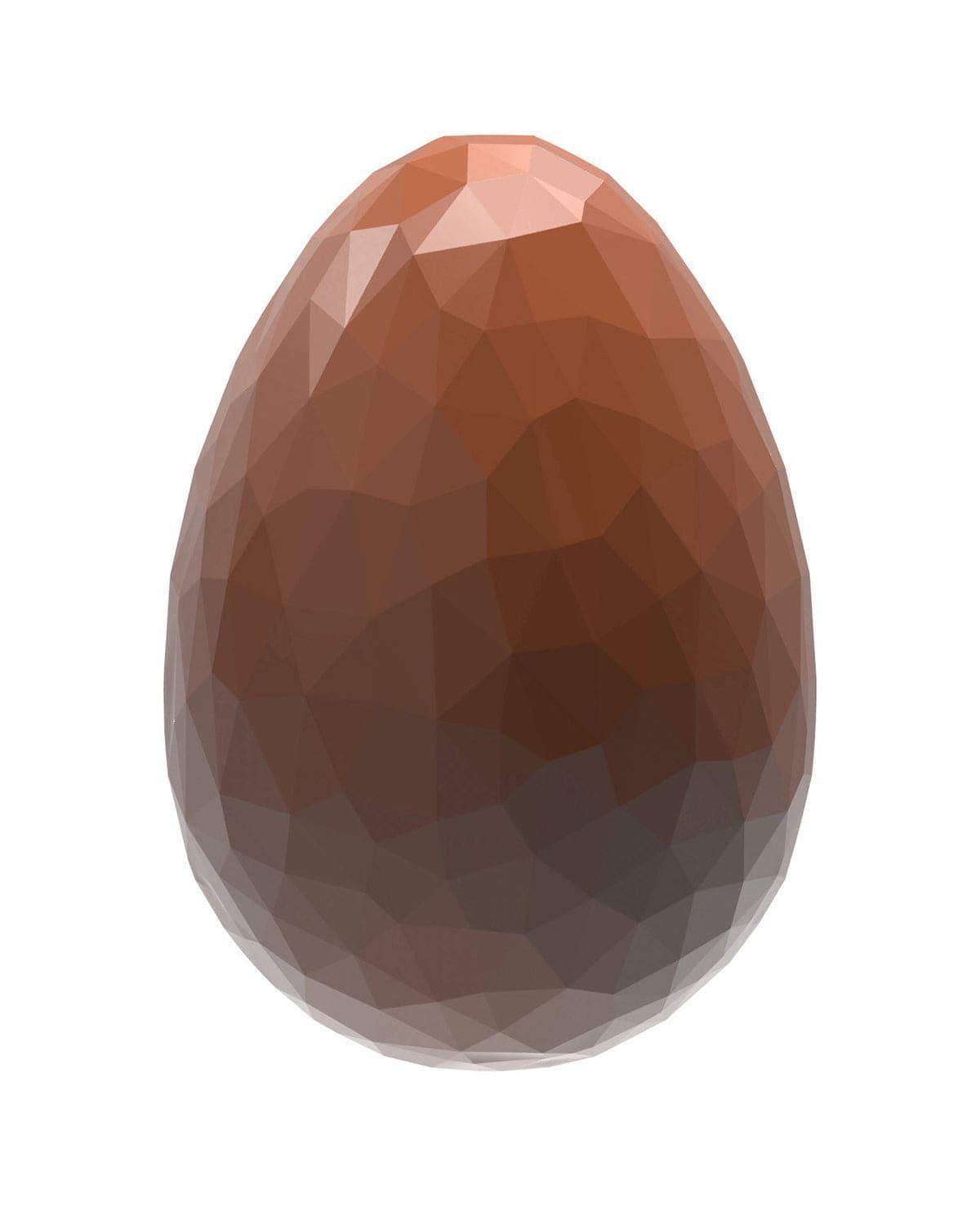
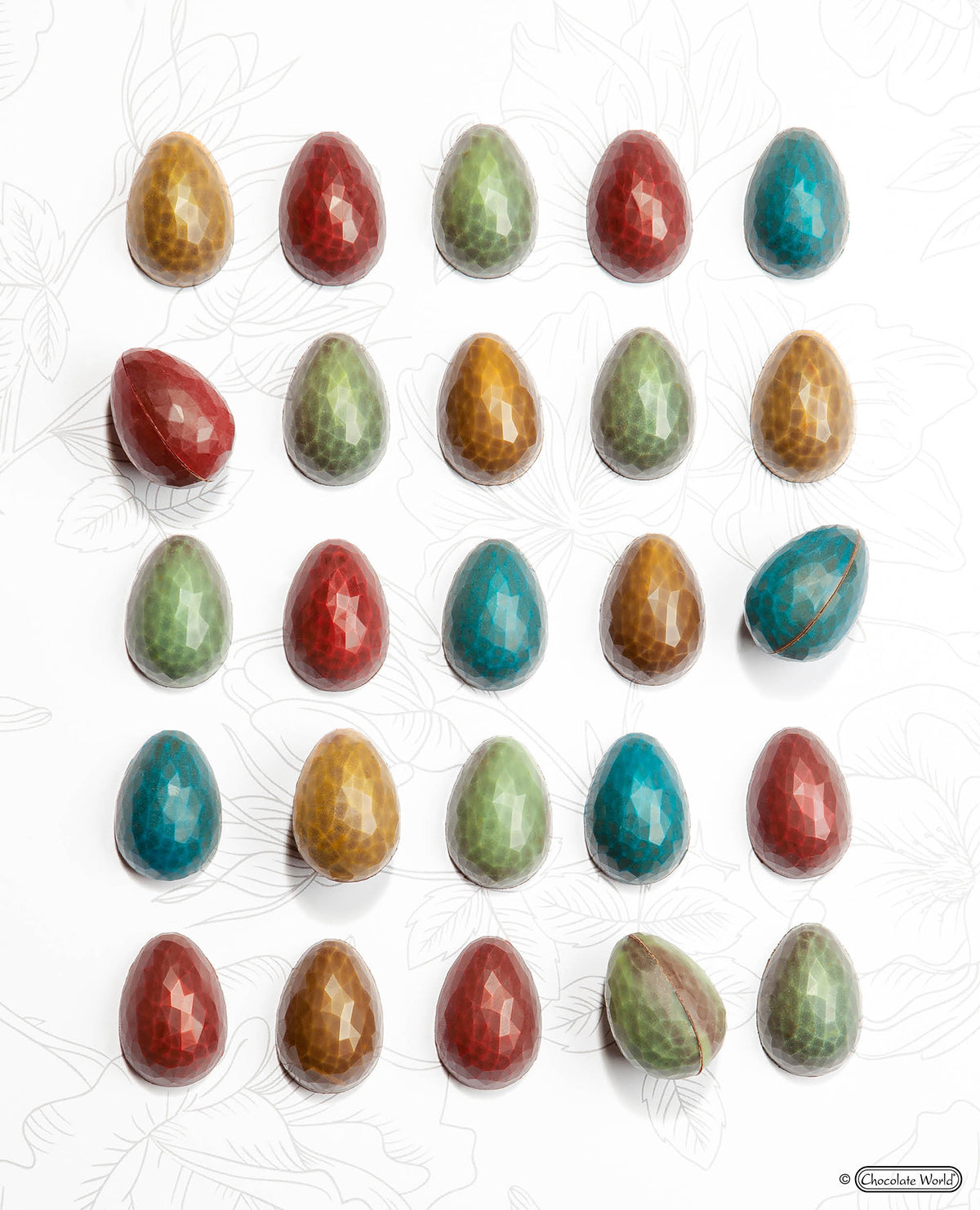
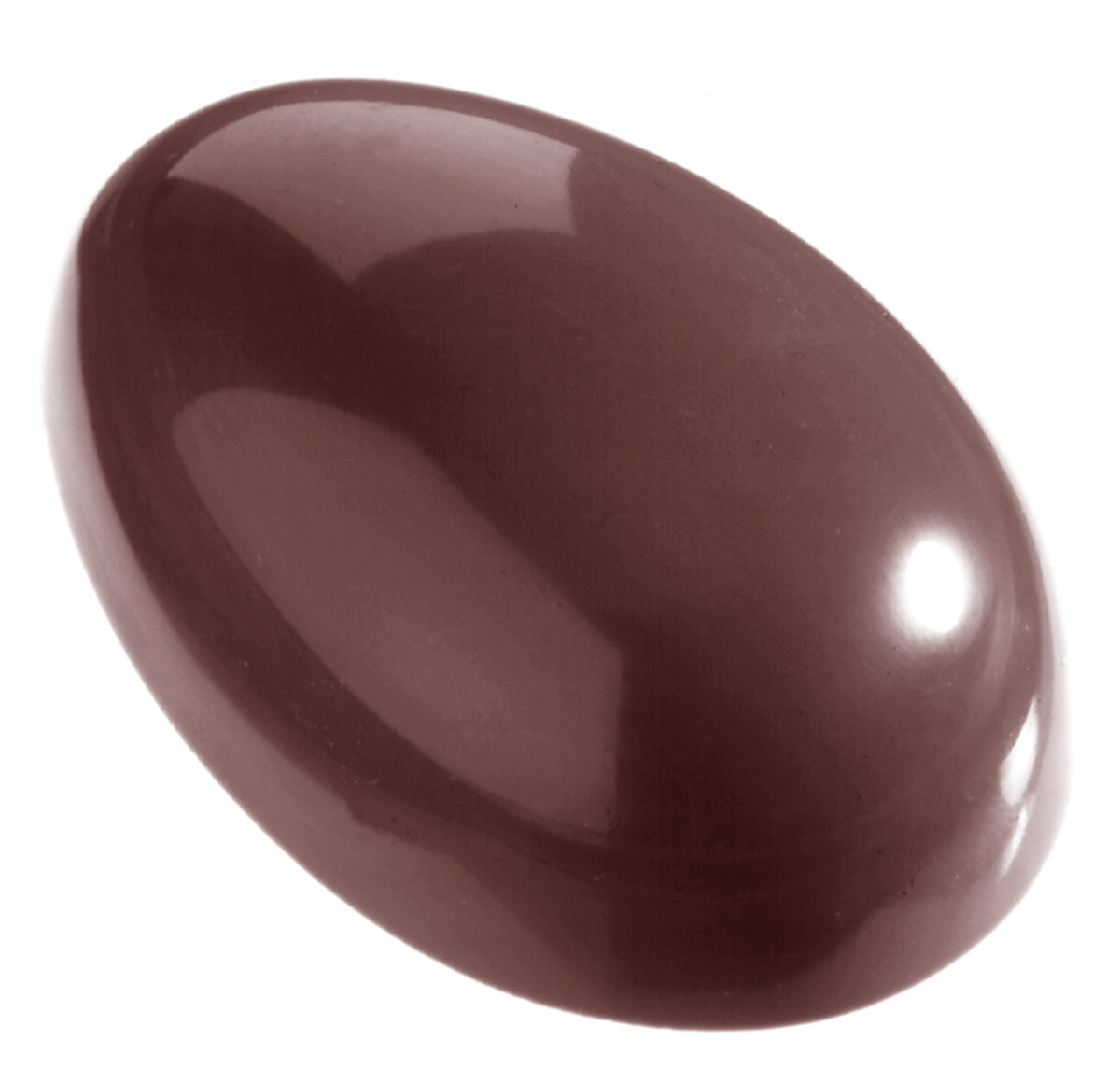
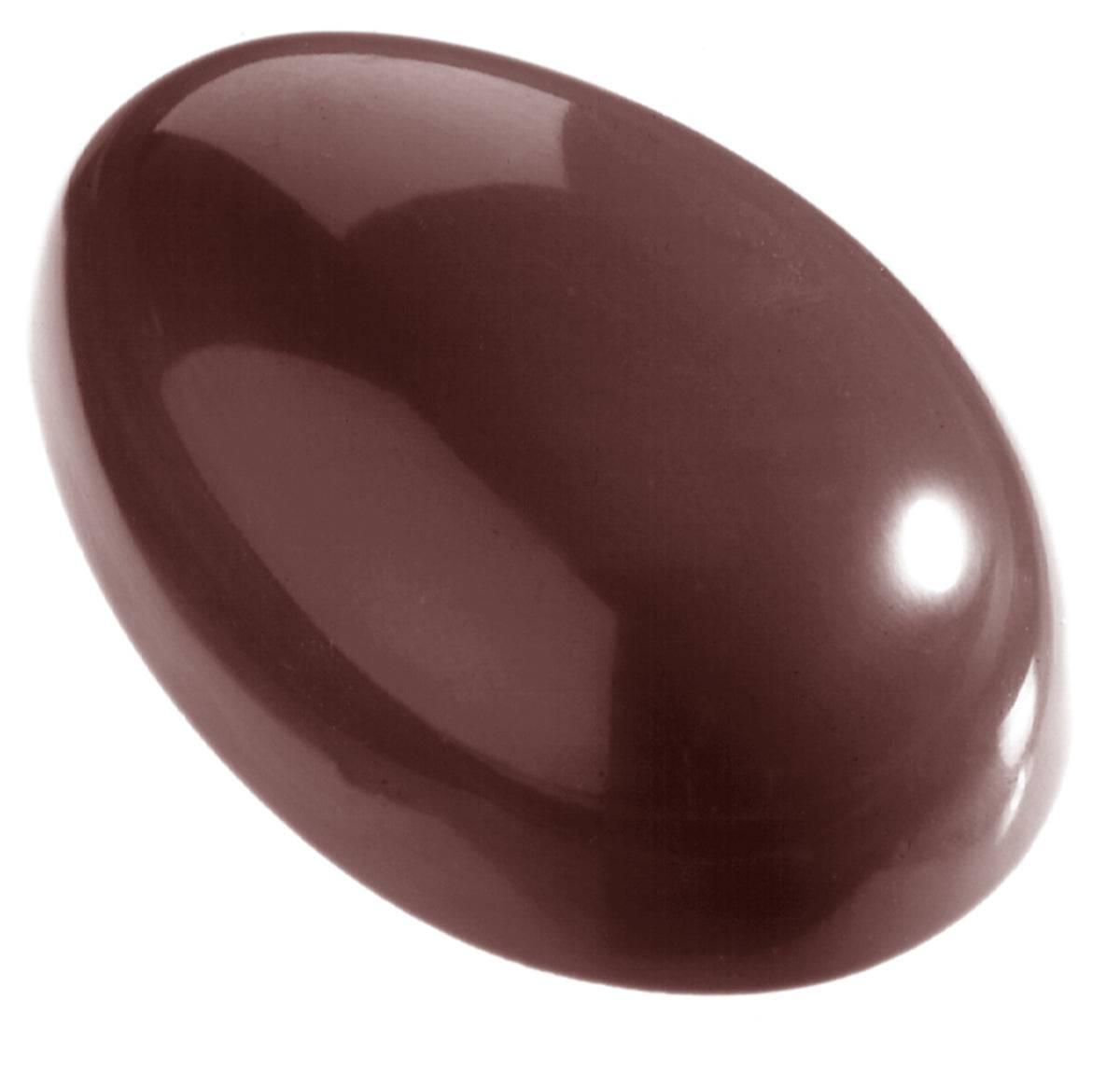
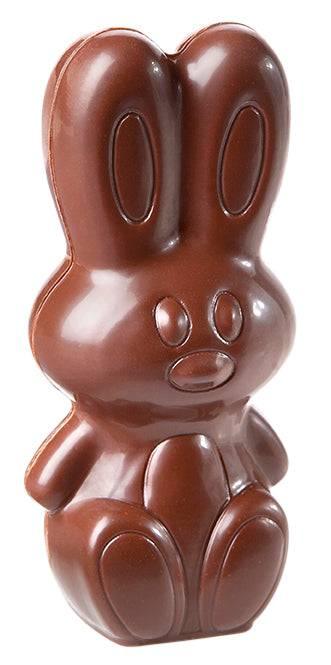
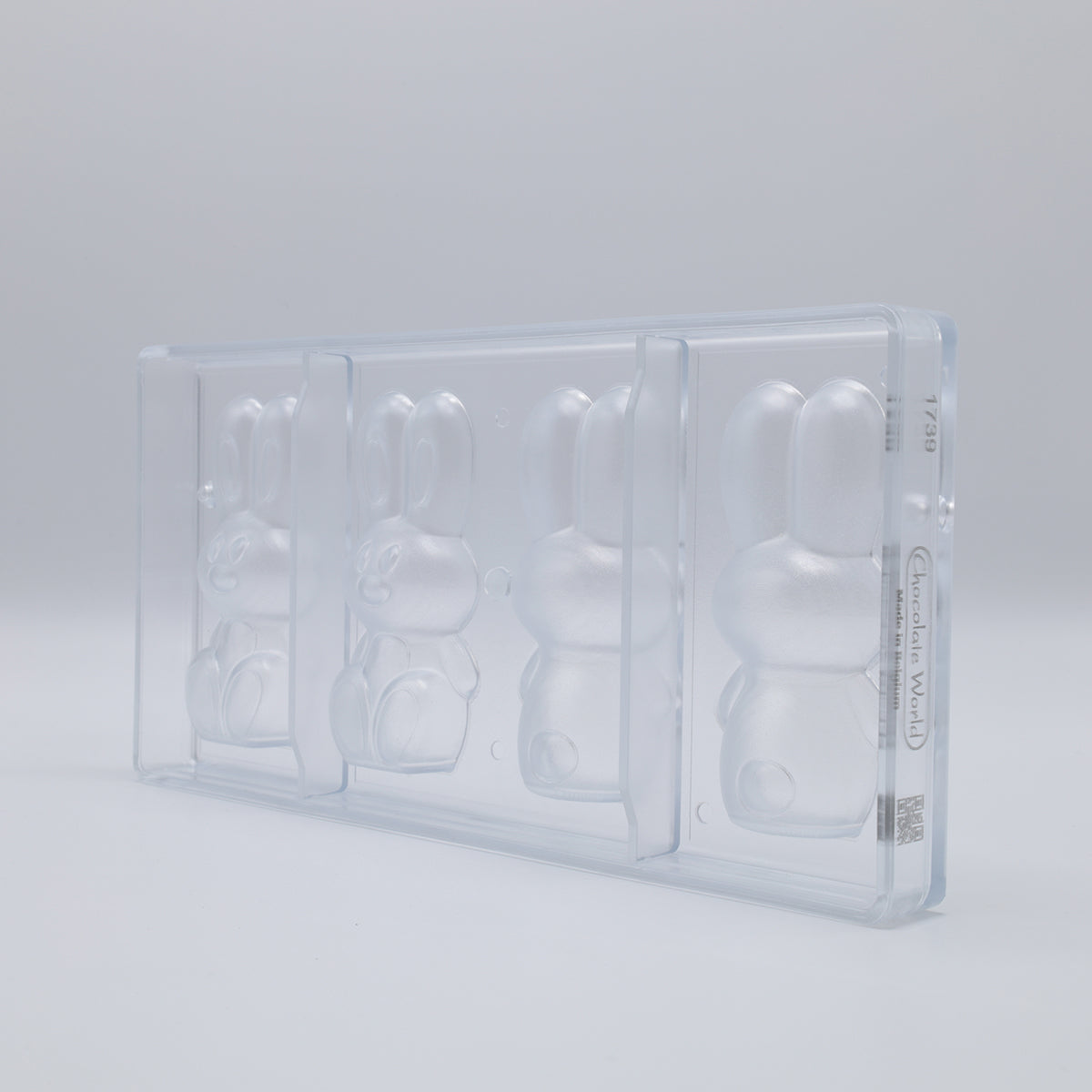
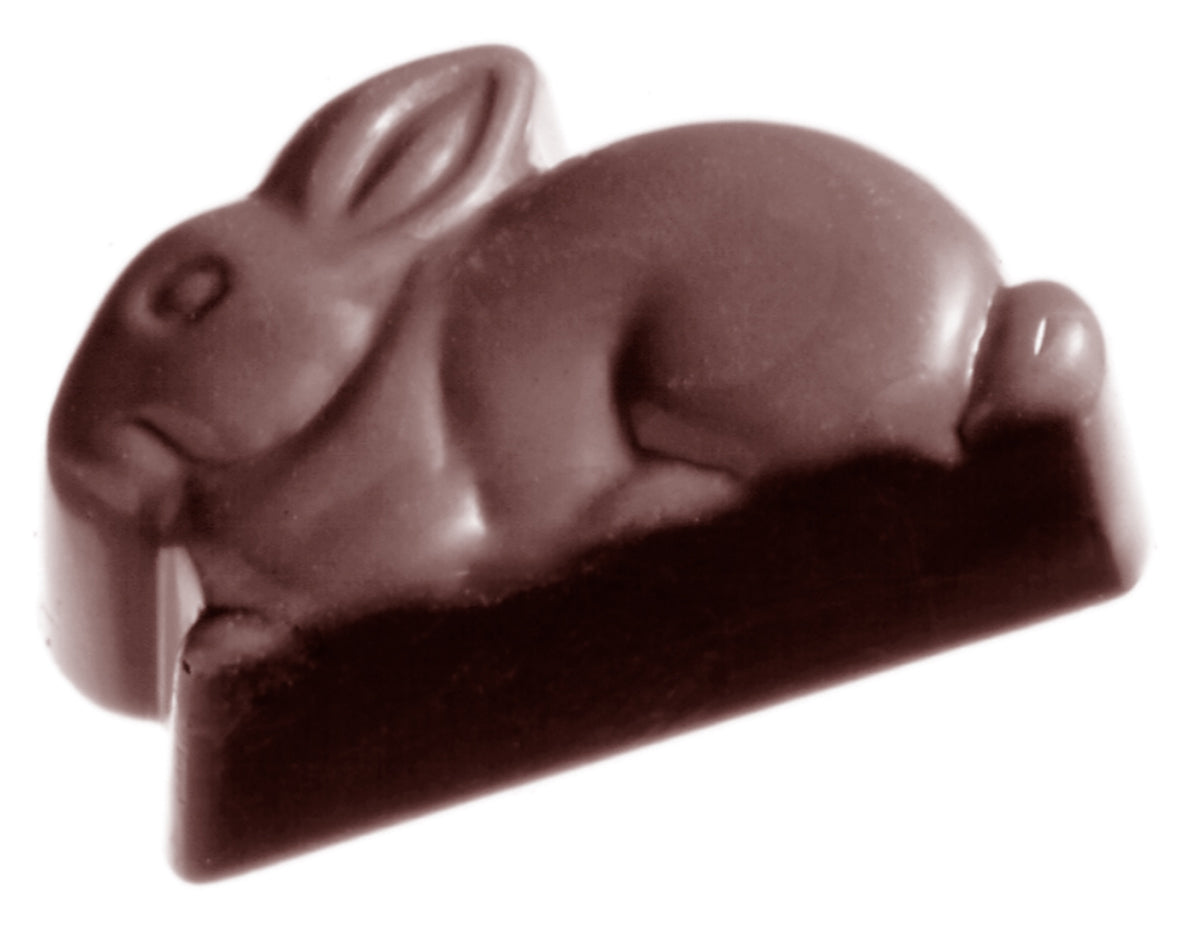
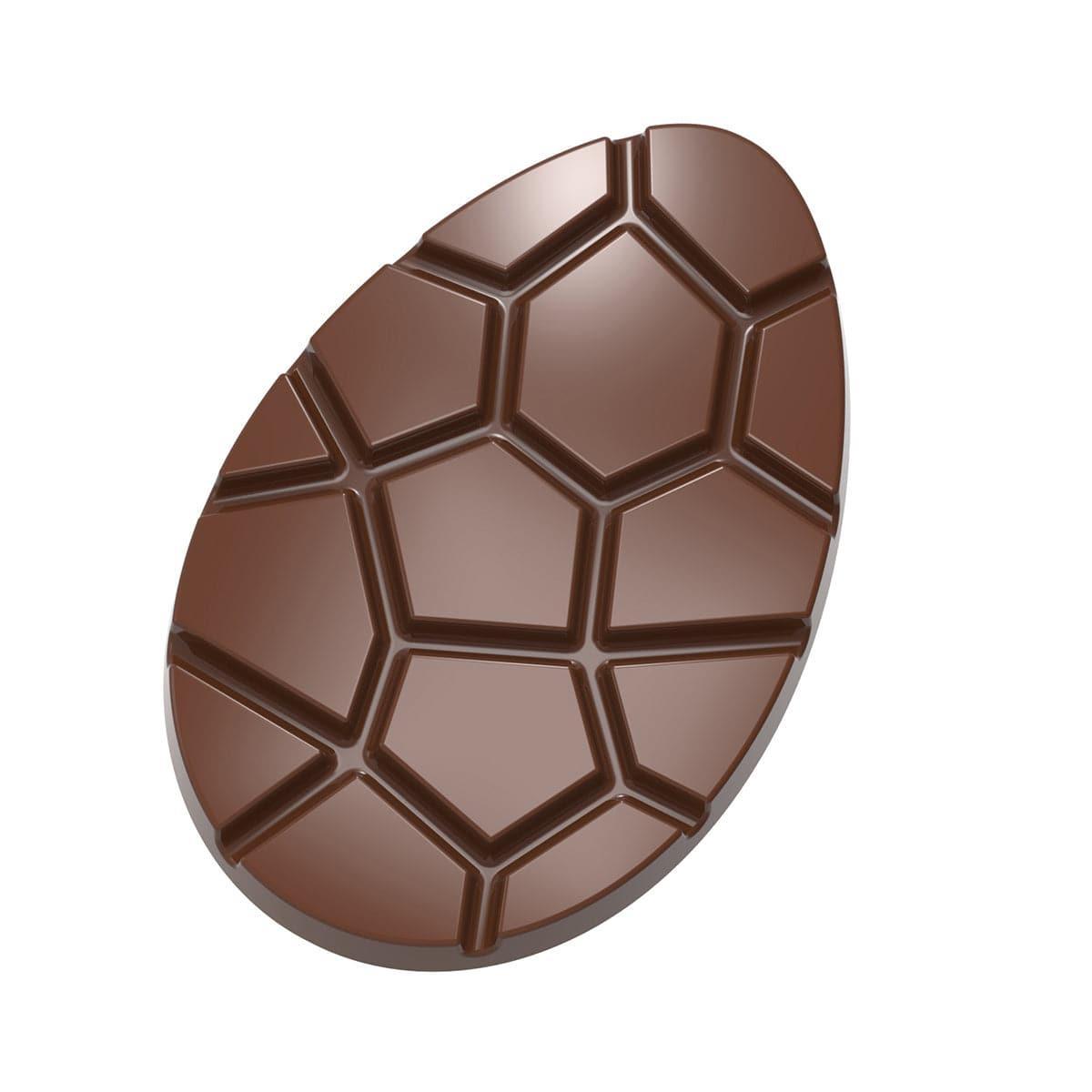
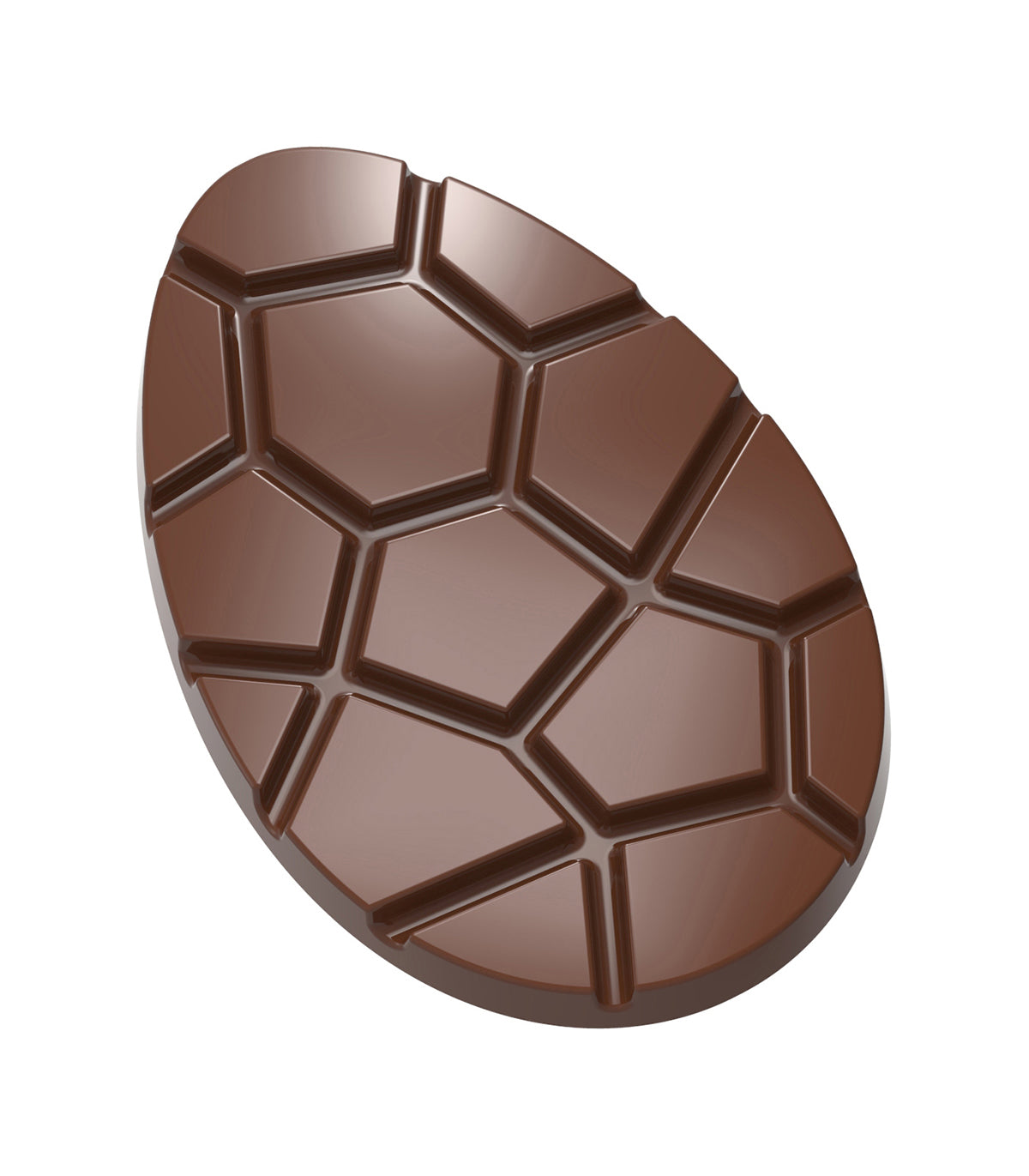
Easter ranks second only to Christmas for chocolate sales, with consumers expecting elaborate eggs and bunnies. The Chocolate Mold Modern Rabbit offers contemporary styling that differentiates from generic drugstore options, while traditional sitting rabbits appeal to conventional preferences. Size variations from small solid pieces to large hollow eggs accommodate different price points and gift purposes.
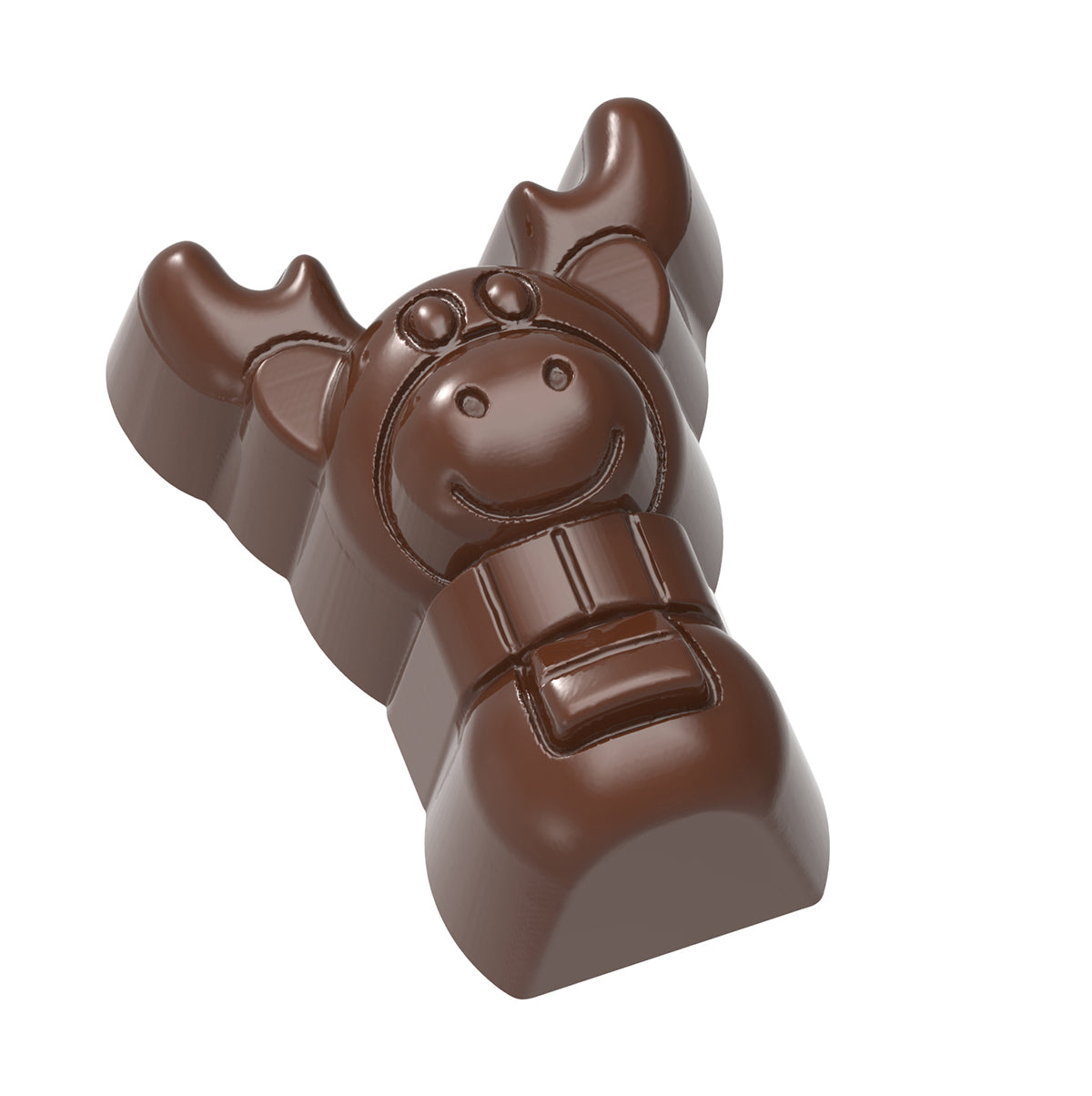
Magnetic molds simplify hollow figure production through secure assembly. The Chocolate Mould Magnetic Moose demonstrates how embedded magnets hold mold halves together during filling and cooling, eliminating clips or rubber bands. This feature proves particularly valuable when producing multiple pieces simultaneously—setup time decreases substantially compared to traditional two-part molds requiring manual securing.
Creating Beyond Major Holidays
Smart operations extend 3D chocolate production beyond Christmas and Easter. The KT148 Angel Thermoformed Chocolate Mould works for baptisms, confirmations, or sympathy gifts. Seasonal doesn't mean only major holidays—back-to-school, Halloween, Valentine's Day, and Mother's Day all present opportunities for dimensional chocolate sales.
Generic shapes offer year-round versatility. Abstract modern designs suit corporate gifts or wedding favors without seasonal associations. This flexibility maximizes mold utilization, spreading costs across twelve months rather than concentrating investments in equipment used only weeks annually.
Technical Mastery for Flawless Results
Tempering Requirements
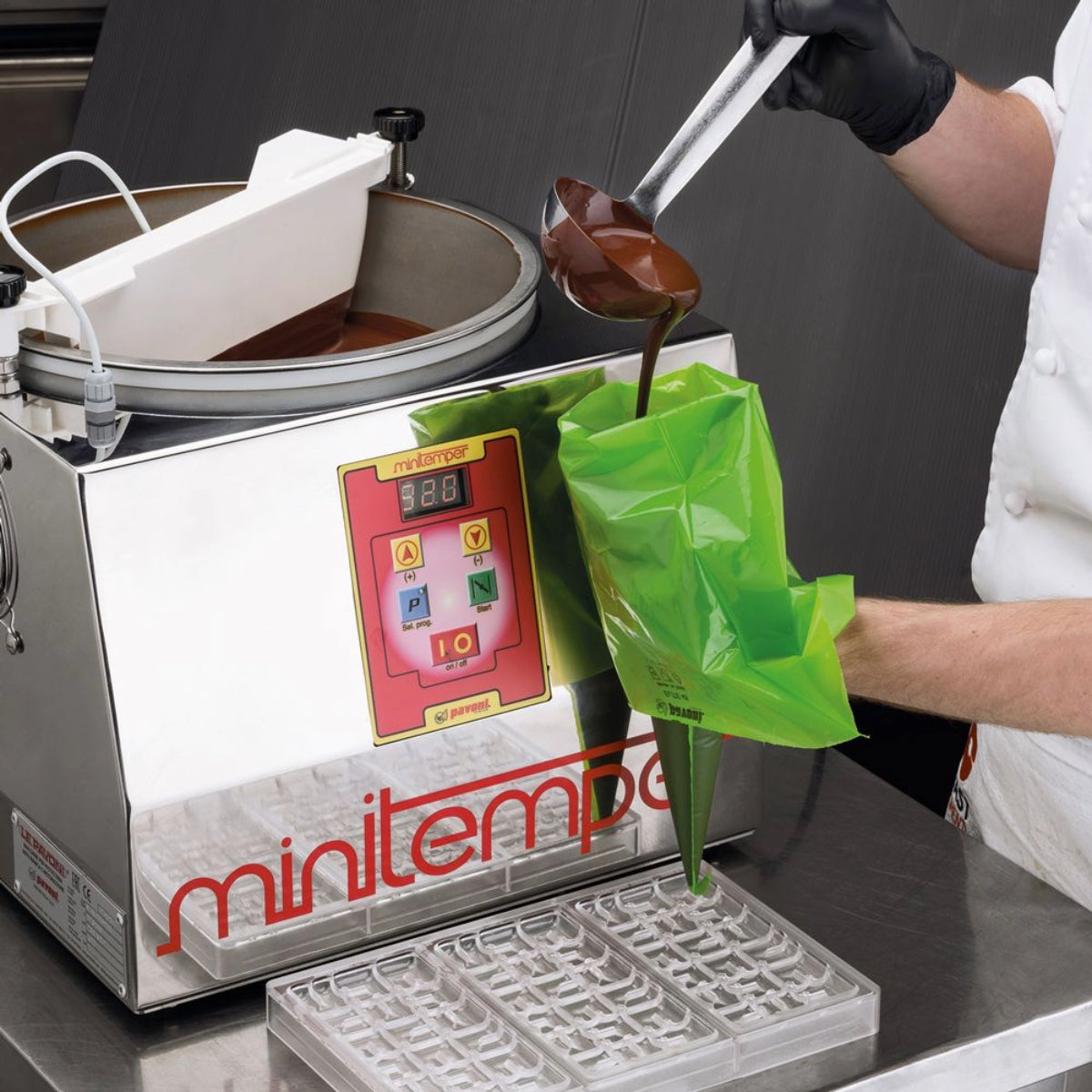
Dimensional chocolate demands proper tempering more critically than flat work. Improperly tempered chocolate shrinks unevenly during cooling, creating pieces that stick stubbornly in molds or refuse to release cleanly. The visual impact of 3D pieces makes defects more obvious—bloom or poor release ruins items that might have sold despite minor imperfections in flat bars. Quality chocolate tempering machines ensure consistent crystallization that releases perfectly every time.
Different chocolate types require adjusted approaches. Dark chocolate's higher cocoa butter content generally releases more easily than milk or white varieties. Understanding these material differences prevents frustration when techniques succeeding with dark chocolate fail with white. The Chocolate Mould Block and similar solid molds prove more forgiving for beginners than complex multi-part designs requiring precise assembly.
Mold Preparation and Cleaning
Polycarbonate mold surfaces must remain pristine for professional shine. Scratches and residue transfer directly to chocolate surfaces, creating dull spots or texture variations that scream amateur production. Cotton cloths and warm water clean most molds adequately between uses, while periodic deep cleaning with mold cleaner removes accumulated cocoa butter residue.
Storage practices extend mold lifespan significantly. Stacking molds without protection scratches polycarbonate surfaces, while improper storage allows warping that prevents proper mold closure. Dedicated storage boxes or separated stacking with protective layers maintains mold condition through years of seasonal production cycles.
Hollow vs. Solid Casting Techniques
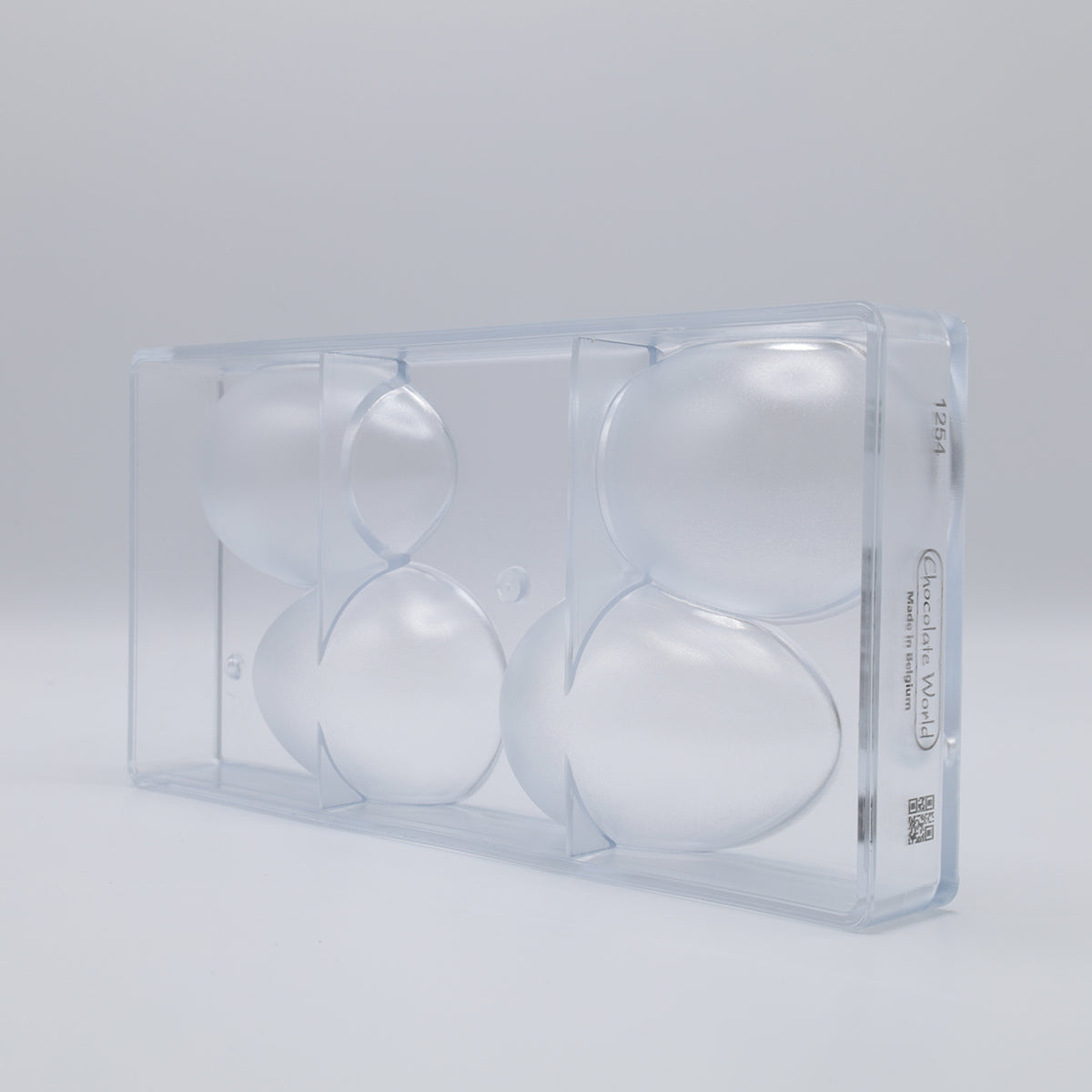
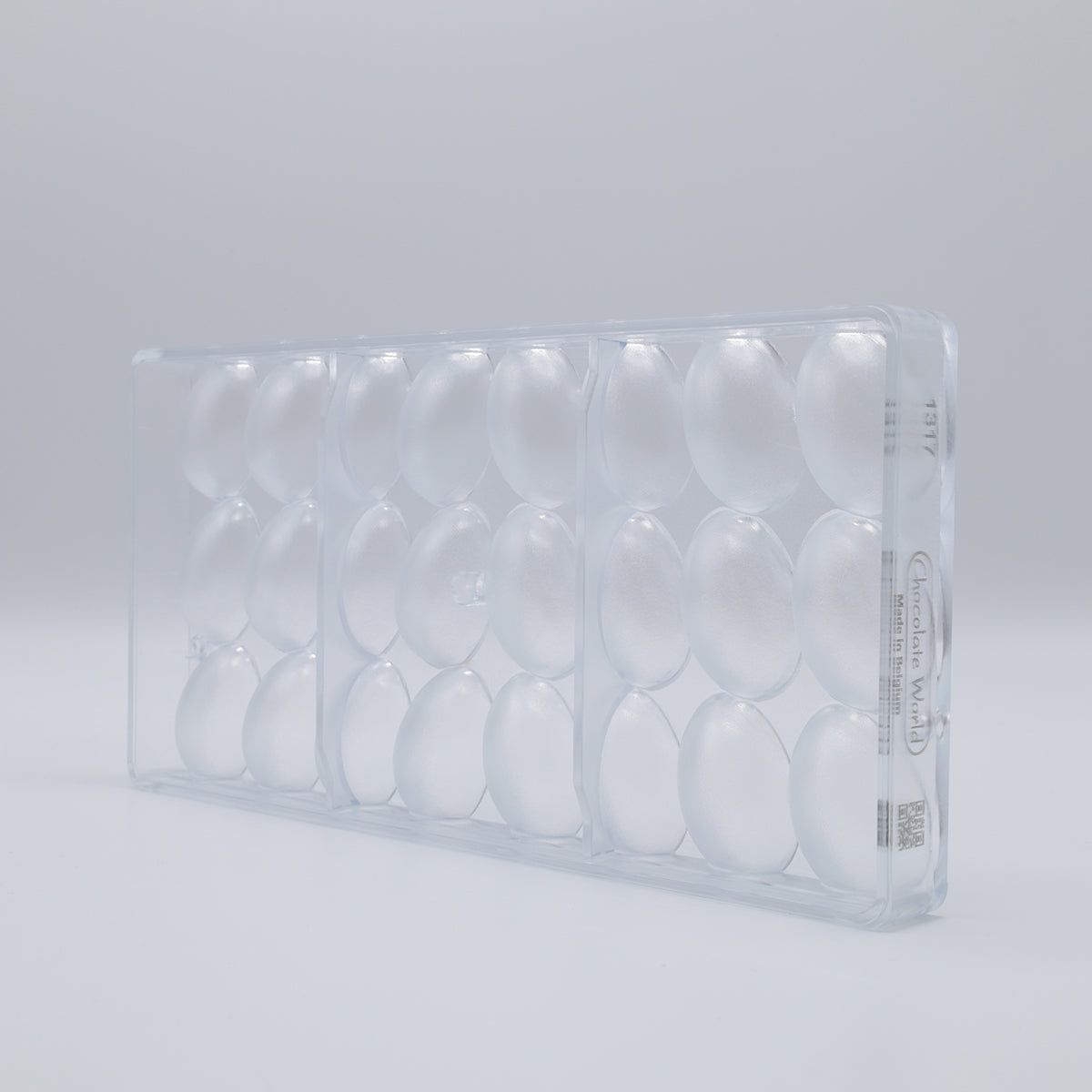
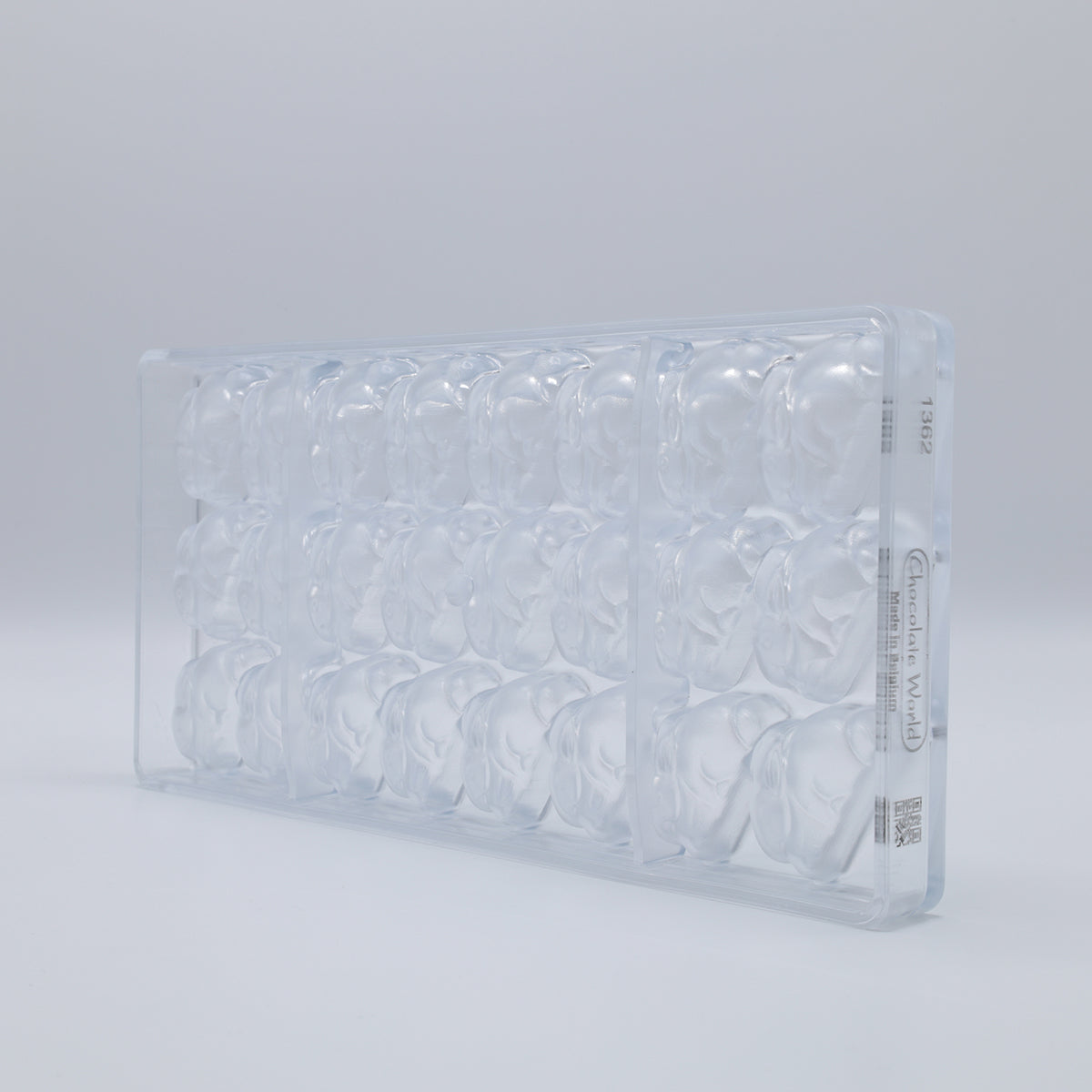
Hollow figures require different skills than solid pours. Shell coating techniques demand practice—painting tempered chocolate inside molds, chilling briefly, adding second coats to build adequate thickness without excessive weight. The polycarbonate chocolate molds category includes designs specifically engineered for hollow work, with features facilitating even coating and proper closure.
Solid casting offers simplicity for beginners but consumes more chocolate. Small items cast solid work perfectly, while large pieces become prohibitively expensive and heavy. Understanding when solid casting makes sense versus when hollow construction proves necessary affects both production costs and product appeal. Learning about chocolate molds basics through available resources helps develop efficient production workflows.
Building Profitable Seasonal Programs
Strategic purchasing spreads mold investments across budget cycles. Acquiring one or two designs monthly builds comprehensive collections without cash flow strain. This approach also allows testing market response before committing heavily to particular themes—a modern abstract Santa might outperform traditional designs in your specific market, information you gain only through actual sales data.
Pricing dimensional pieces requires different calculations than flat chocolates. Customers evaluate 3D items as gifts and decorations, not just candy. A 150g chocolate Santa priced at $25 seems reasonable when displayed as a centerpiece item, though equivalent chocolate in bar form would retail for $8-10. This perceived value difference creates profit opportunities unavailable with commodity chocolate products.
Marketing seasonal items begins months before holidays. July Christmas photography prepares catalogs and social media content ready for September campaigns when customers begin holiday planning. Early preparation also reveals production challenges with time to solve them—discovering mold defects or technique issues in November creates holiday disasters, while July problems become learning experiences.
Storage of finished seasonal pieces requires climate control preventing bloom and maintaining visual appeal. The chocolate decorations you add to dimensional pieces further enhance value, but only if base chocolates maintain perfect condition through storage periods before sale.
Executing Your Seasonal Chocolate Strategy
Successfully implementing 3D chocolate production requires commitment beyond purchasing molds. Technique development takes practice—expect early attempts to reveal learning curves with release, assembly, and finishing. This investment in skill-building pays dividends across all chocolate work, improving overall production quality while enabling profitable seasonal specialties.
At Zucchero Canada, we stock professional-grade 3D molds from manufacturers who understand commercial production demands. Our 3D seasonal chocolate molds selection balances classic designs with contemporary options, supporting operations building distinctive seasonal offerings.
Browse our mold collection and envision the dimensional chocolates that will define your next holiday season. Our team helps match mold selections to your production capabilities and market positioning, ensuring you invest in designs that actually sell rather than just look impressive. For guidance on hollow vs. solid production, design selection for your specific market, or technical support developing 3D chocolate skills, contact our experienced staff who understand both the artistry and business realities of seasonal chocolate production.
Contact Zuccherocanada: Visit zuccherocanada.ca to explore our complete mold catalog, or reach out directly for personalized consultation. We support your seasonal success with quality tools and practical expertise that turns holiday opportunities into year-round business growth.