













Every chocolatier's signature begins with the right mold. Whether crafting sleek chocolate bars, intricate bonbons, or seasonal novelties, professional chocolate molds determine the quality, consistency, and visual appeal that separate artisan products from mass-market commodities. The difference between sticky releases and perfect shine, between amateur appearance and gallery-worthy presentation, often comes down to mold quality rather than chocolate-making skill alone.
Why Mold Quality Dictates Success
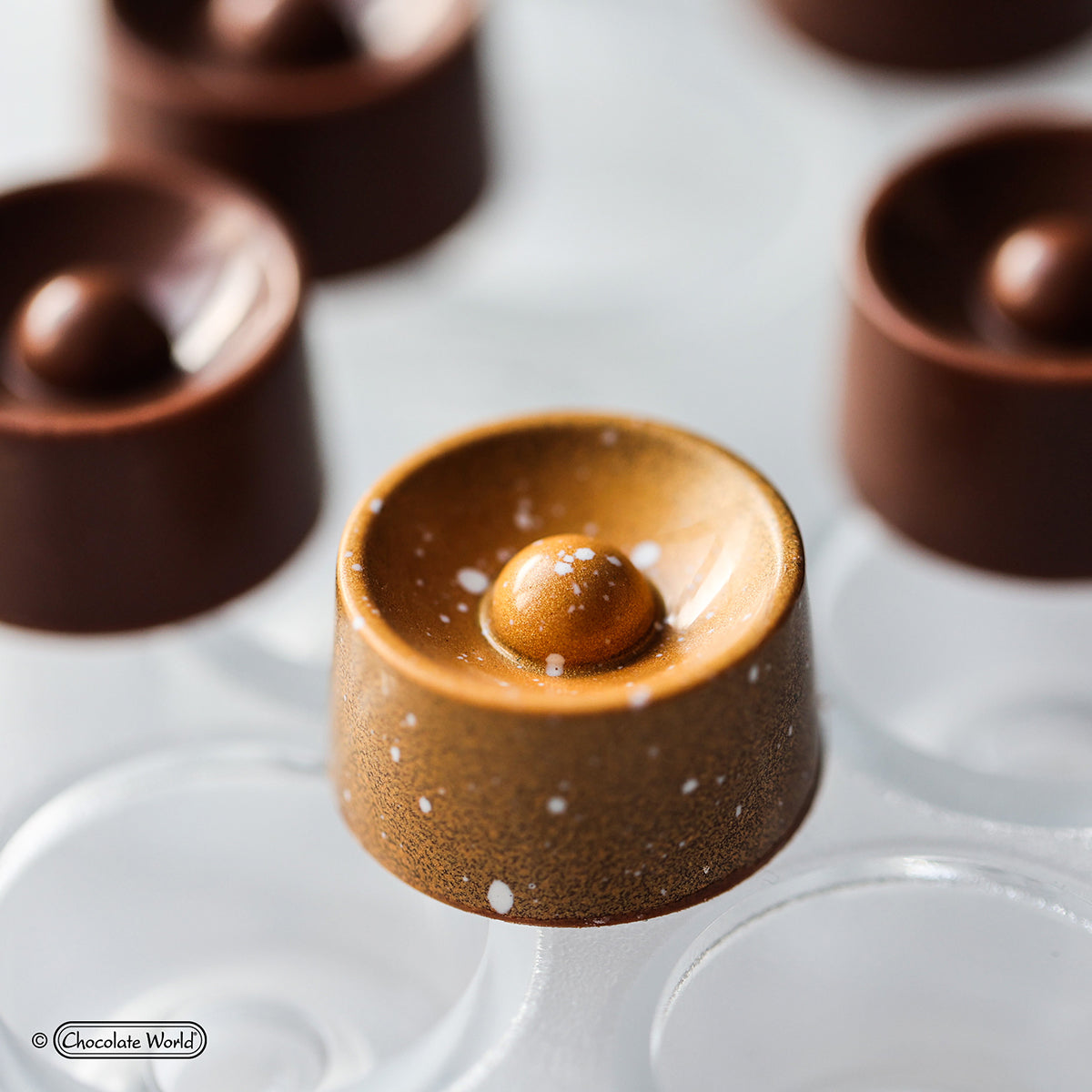
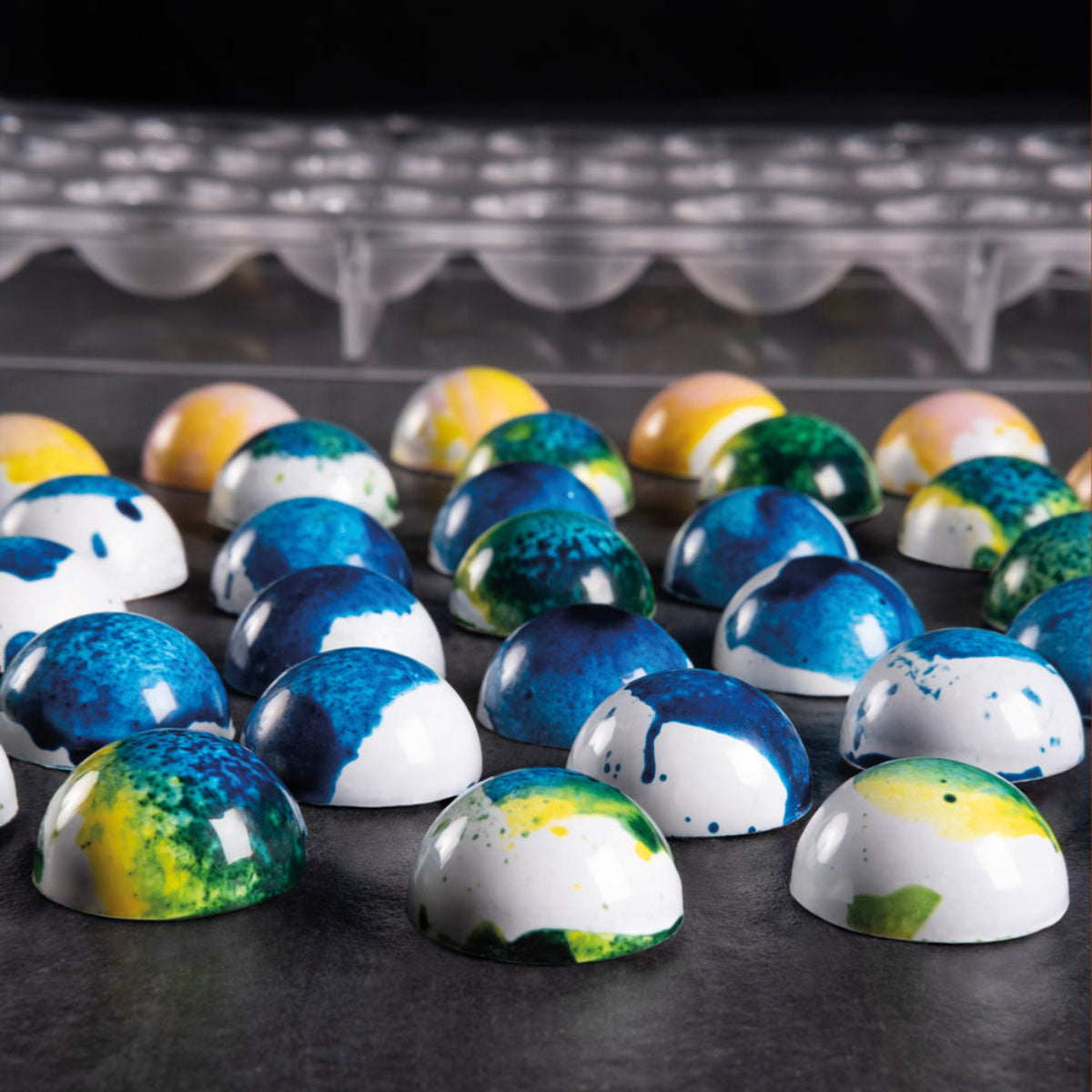
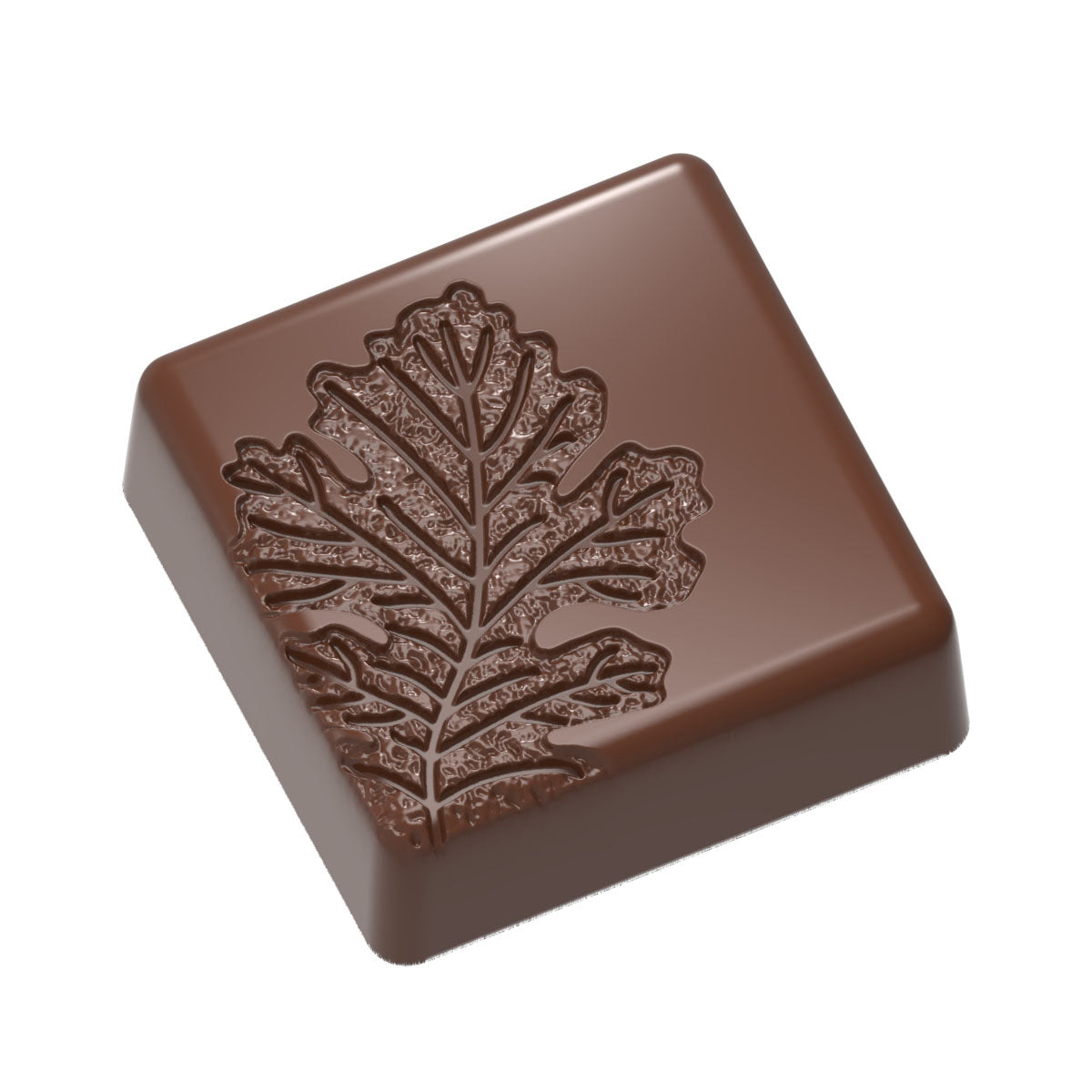
Professional chocolate moulds create mirror-finish surfaces that hand-forming cannot achieve. Polycarbonate's smooth interior transfers directly to chocolate, producing the glossy appearance customers associate with premium products. This shine results from mold quality, not coating or polishing—properly tempered chocolate in quality molds emerges perfect without intervention.
Release consistency eliminates production frustrations and waste. Amateur molds create adhesion problems where chocolate sticks stubbornly, requiring force that breaks pieces or damages details. Quality molds release effortlessly when chocolate contracts during cooling, preserving intricate details while maintaining production flow. The chocolate molds collection emphasizes designs engineered specifically for reliable commercial release.
Durability justifies initial investment through years of reliable service. Professional polycarbonate withstands repeated temperature cycling without warping or clouding. A quality bar mold producing 50 bars weekly generates 2,600 pieces annually—over ten years, that single mold creates 26,000 chocolates, reducing per-piece cost to pennies while maintaining perfect quality throughout its lifespan.
Design variety enables product differentiation in crowded markets. Beyond basic shapes, specialty molds create signature items impossible for competitors to replicate. Unique bar textures, distinctive bonbon shapes, or exclusive seasonal designs become brand identifiers that customers recognize and request specifically, building loyalty that transcends simple taste preferences.
Exploring Mold Categories for Every Application
Bar Molds for Signature Tablets
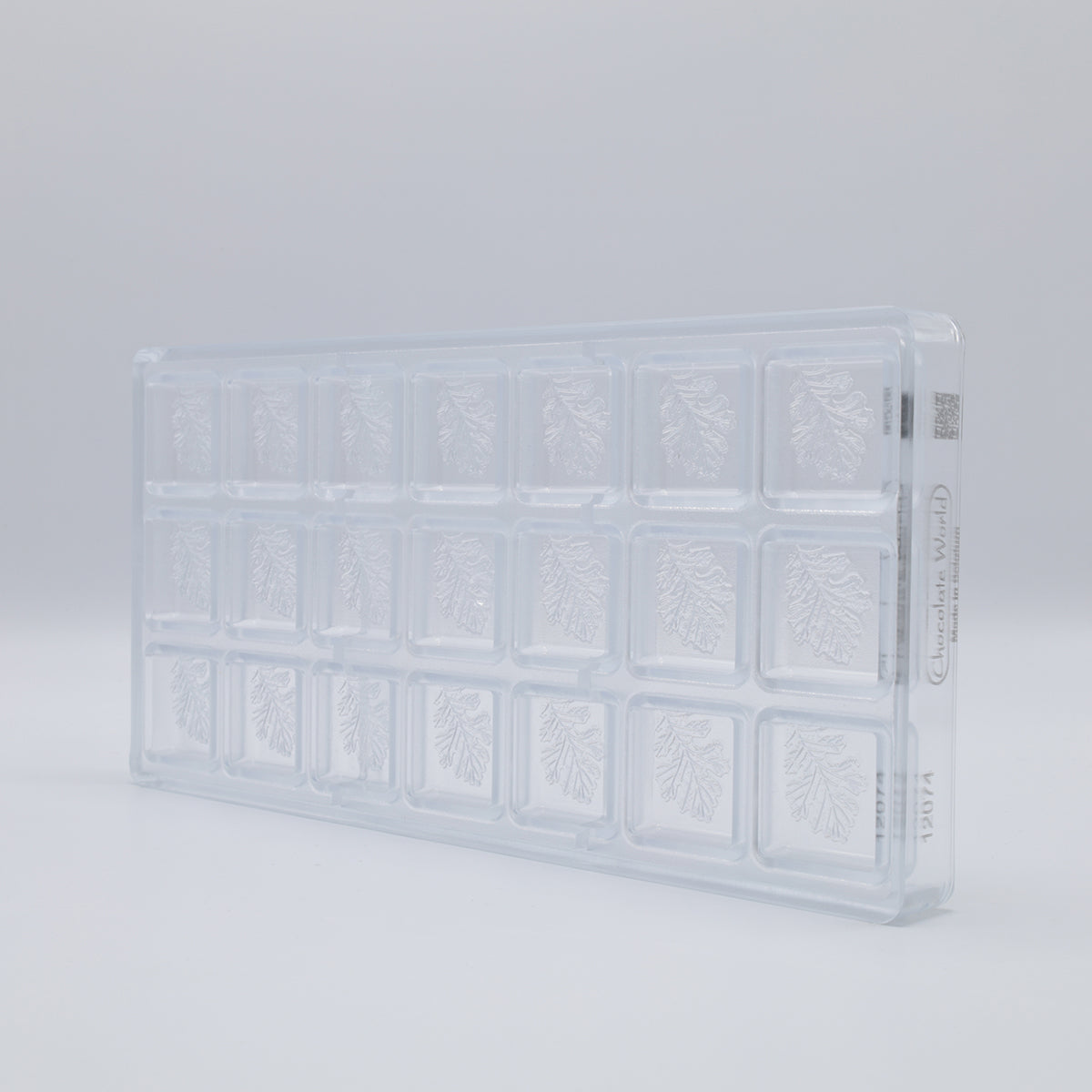
Chocolate bar molds range from classic rectangles to contemporary geometric patterns. The Chocolate Mold Tablet provides traditional segmented styling perfect for snap-and-share formats, while designs like the Bricks Chocolate Bar Mold offer textured surfaces that engage both visually and tactilely.
Size variations accommodate different market segments. Single-serving 30-50g bars suit impulse purchases and sampling programs, while substantial 100g+ tablets position as premium gifts or sharing items. The Maxi Choco Chocolate Bar Mold demonstrates how larger formats command higher price points while using proportionally similar chocolate quantities as multiple smaller bars.
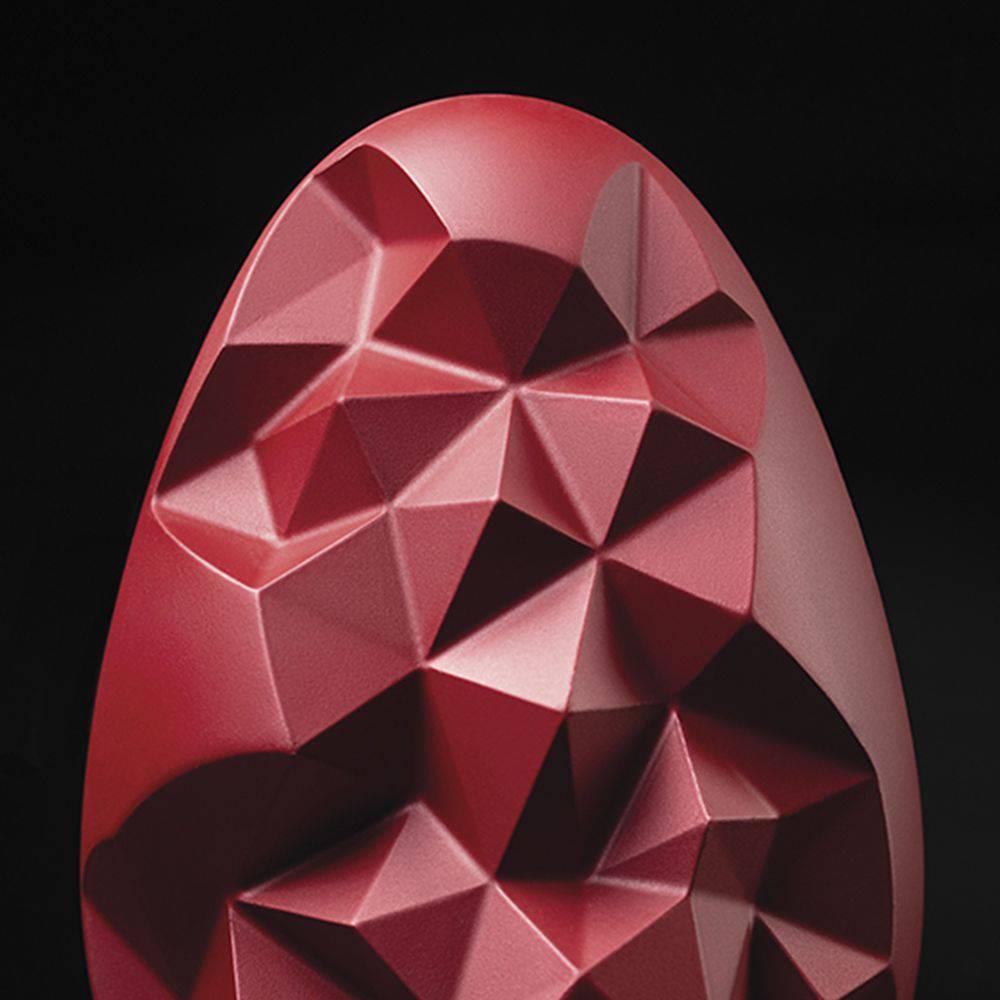
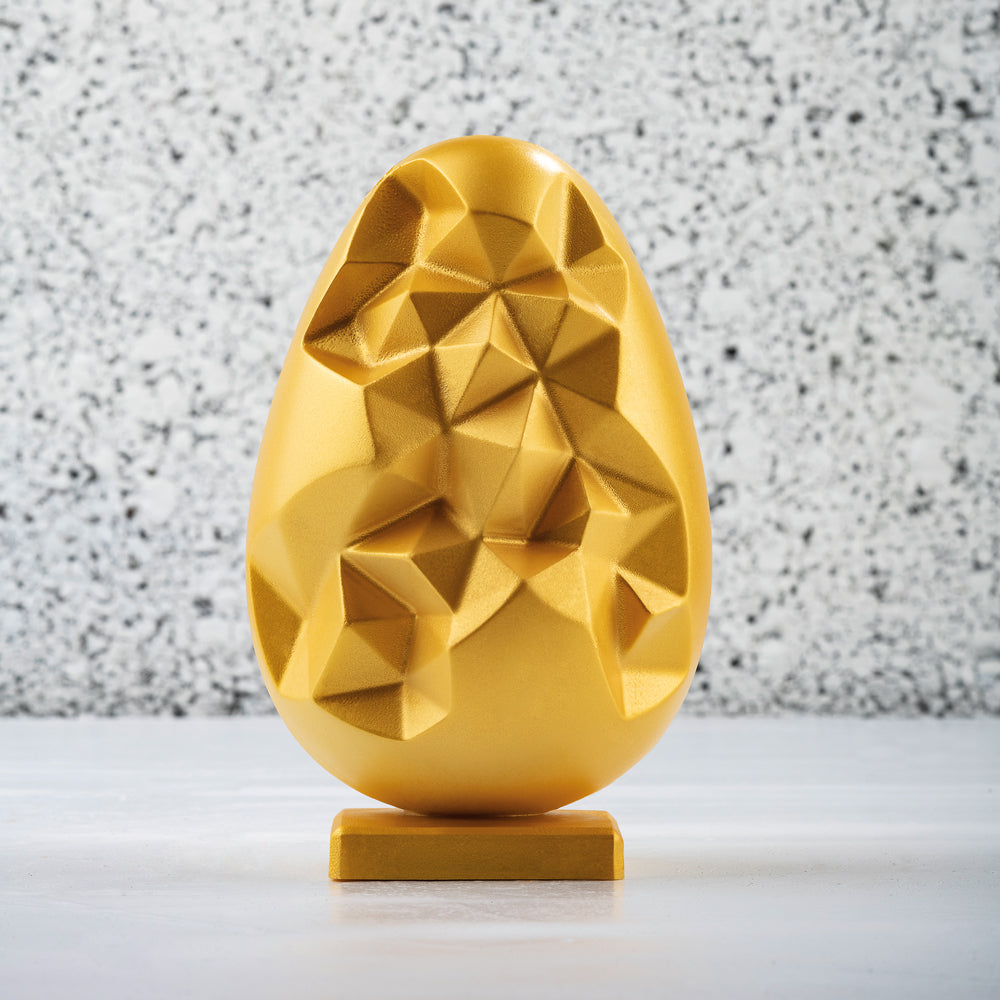
Textured surfaces create visual interest differentiating products on crowded shelves. Smooth tablets appear generic regardless of quality, while distinctive patterns catch eyes and communicate craftsmanship. Modern geometric designs appeal to contemporary aesthetics, positioning products as design-forward rather than traditional commodity chocolate.
Bonbon and Praline Molds
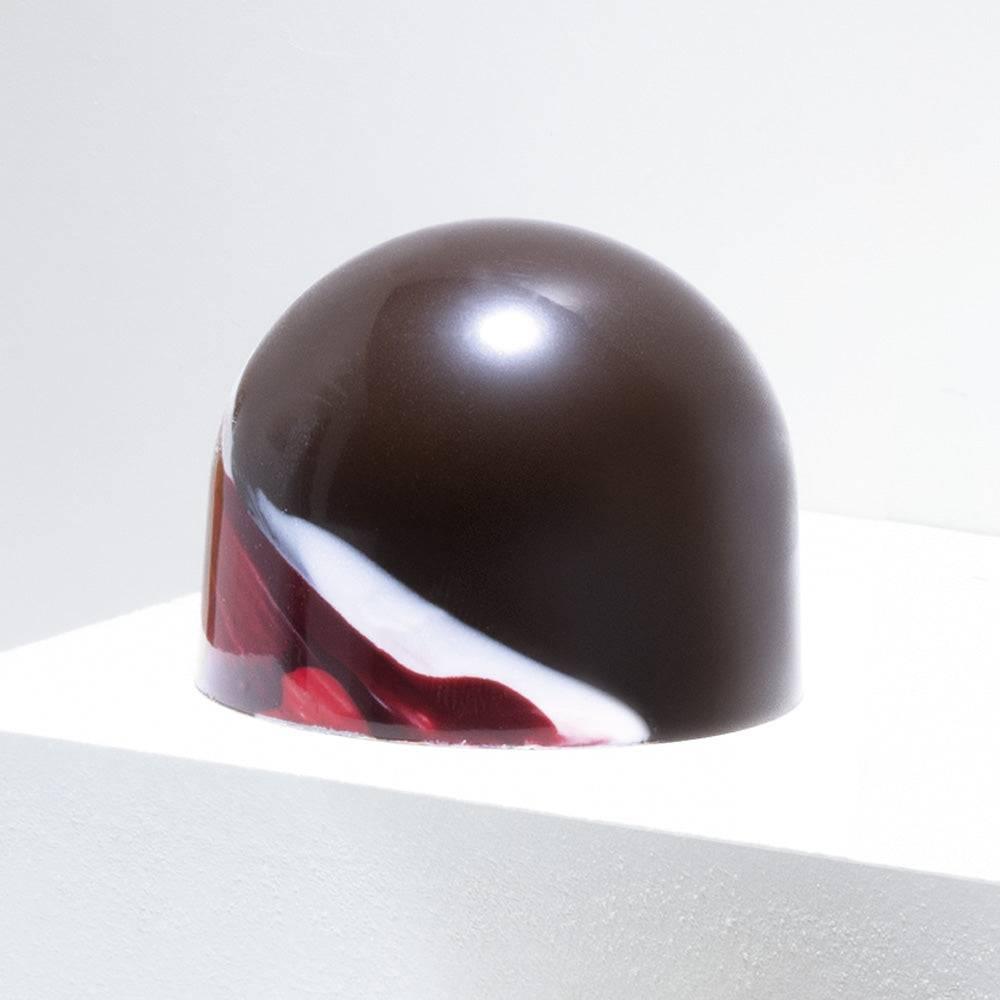
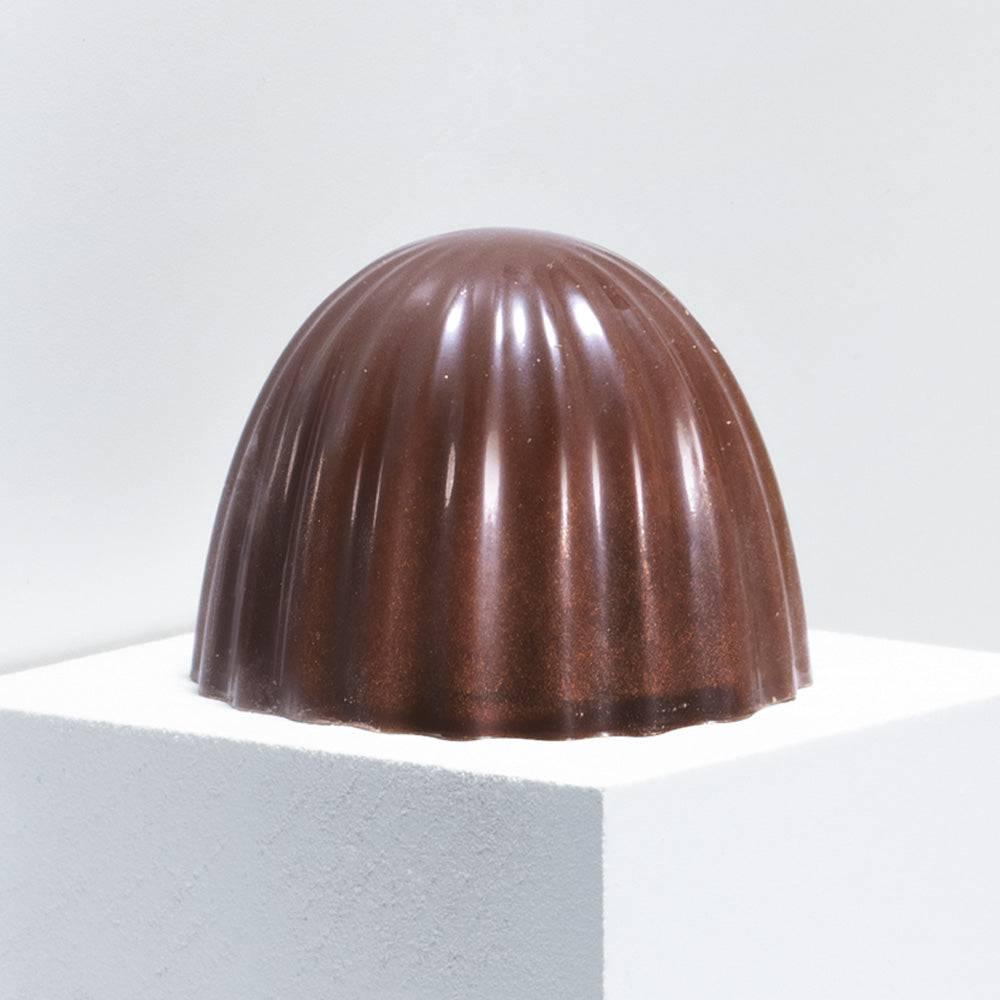
Professional bonbon molds enable the filled chocolate work that defines fine chocolatiers. These molds create consistent shell thickness essential for structural integrity that prevents filling leakage. The Bonbons Praline Chocolate Mold PC42FR exemplifies designs from renowned pastry chefs, bringing signature aesthetics within reach of operations at any scale.
Cavity counts affect production efficiency and product variety. Molds with 21-24 cavities balance productivity with quality control—enough pieces to justify setup time without overwhelming cooling capacity or quality inspection abilities. Multiple mold designs allow mixed boxes featuring diverse shapes, increasing perceived value and average sale prices.
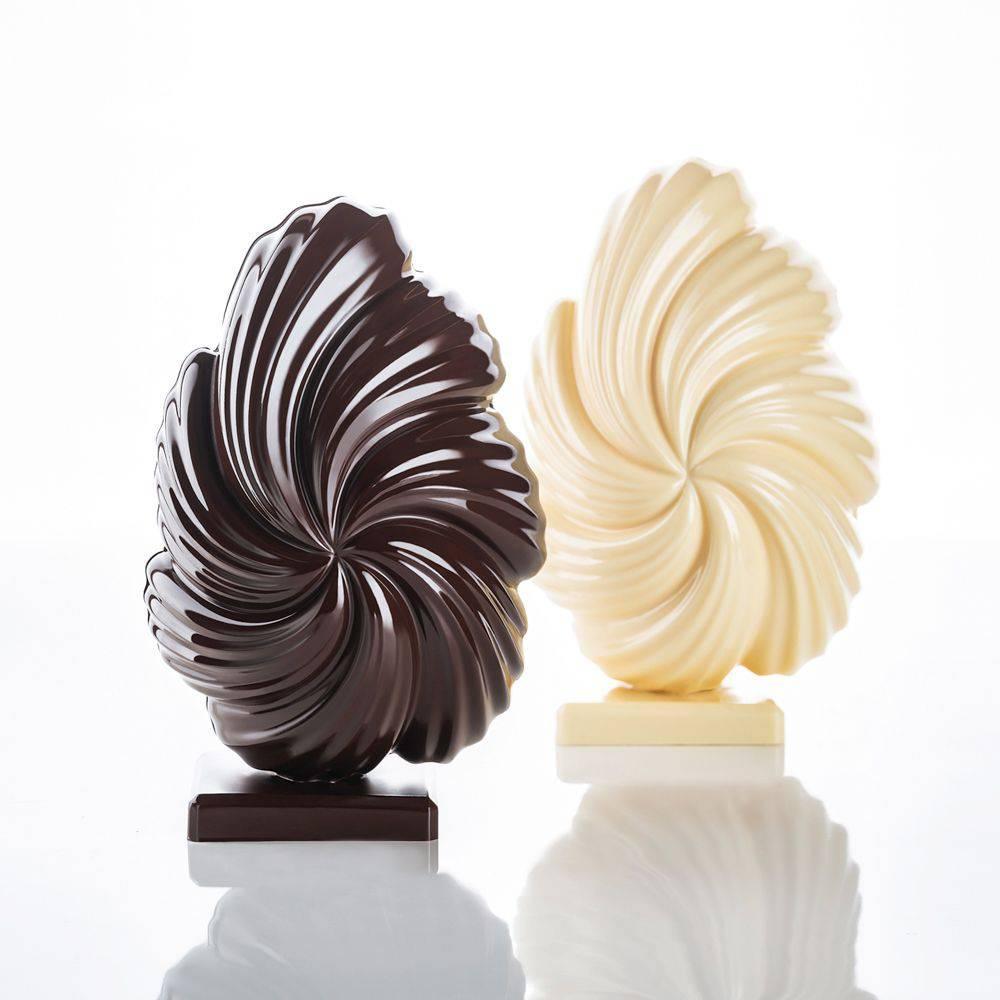
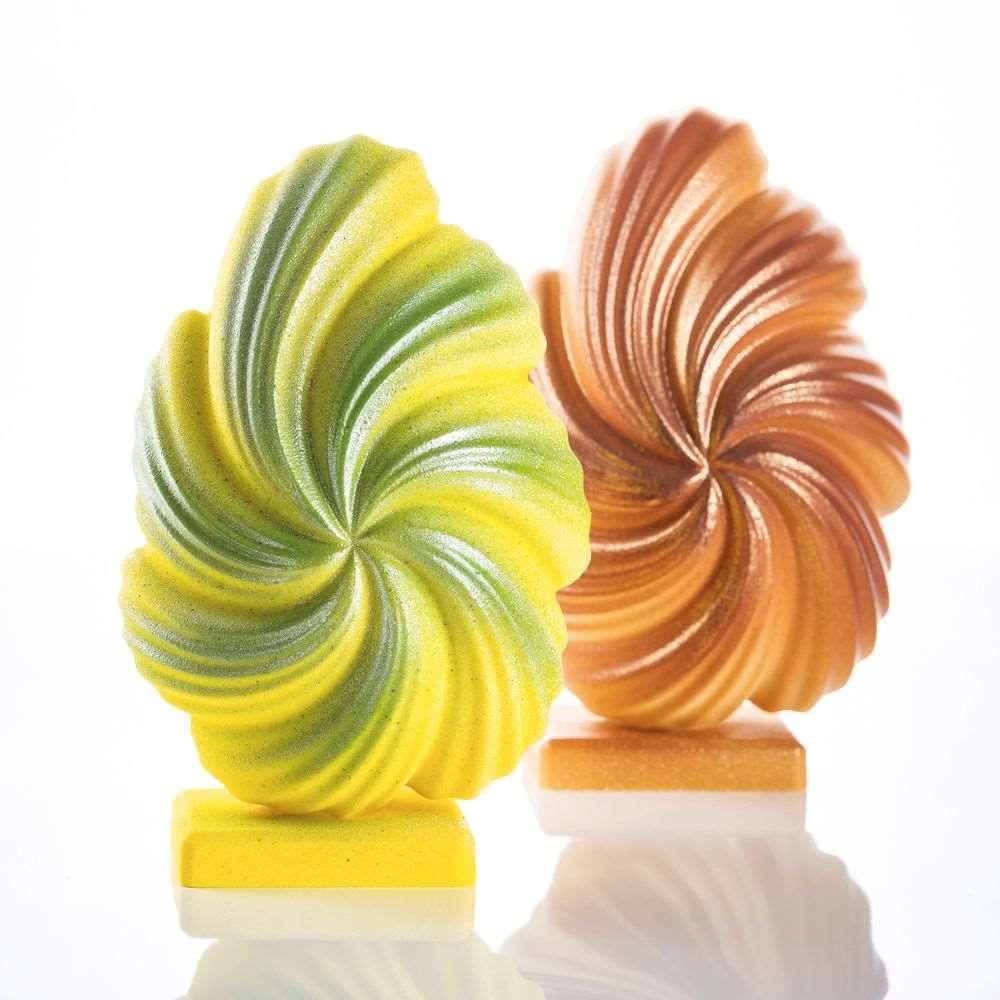
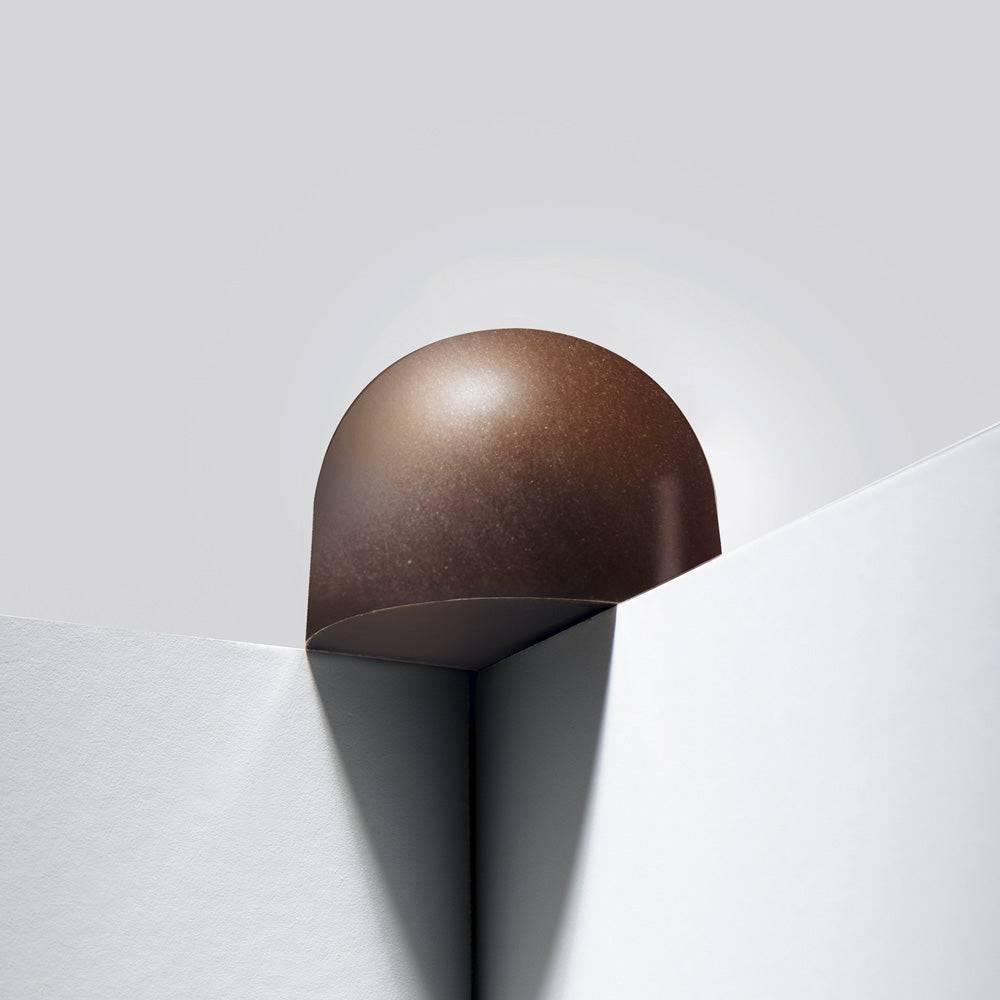
Contemporary designers continually push bonbon aesthetics forward. The Abyss Praline Chocolate Mold PC66FR from Davide Comaschi demonstrates how cutting-edge design elevates chocolate into art, creating pieces customers hesitate to eat due to visual beauty. These investment pieces justify higher pricing while generating social media attention worth multiples of their cost.
Specialty and Seasonal Designs
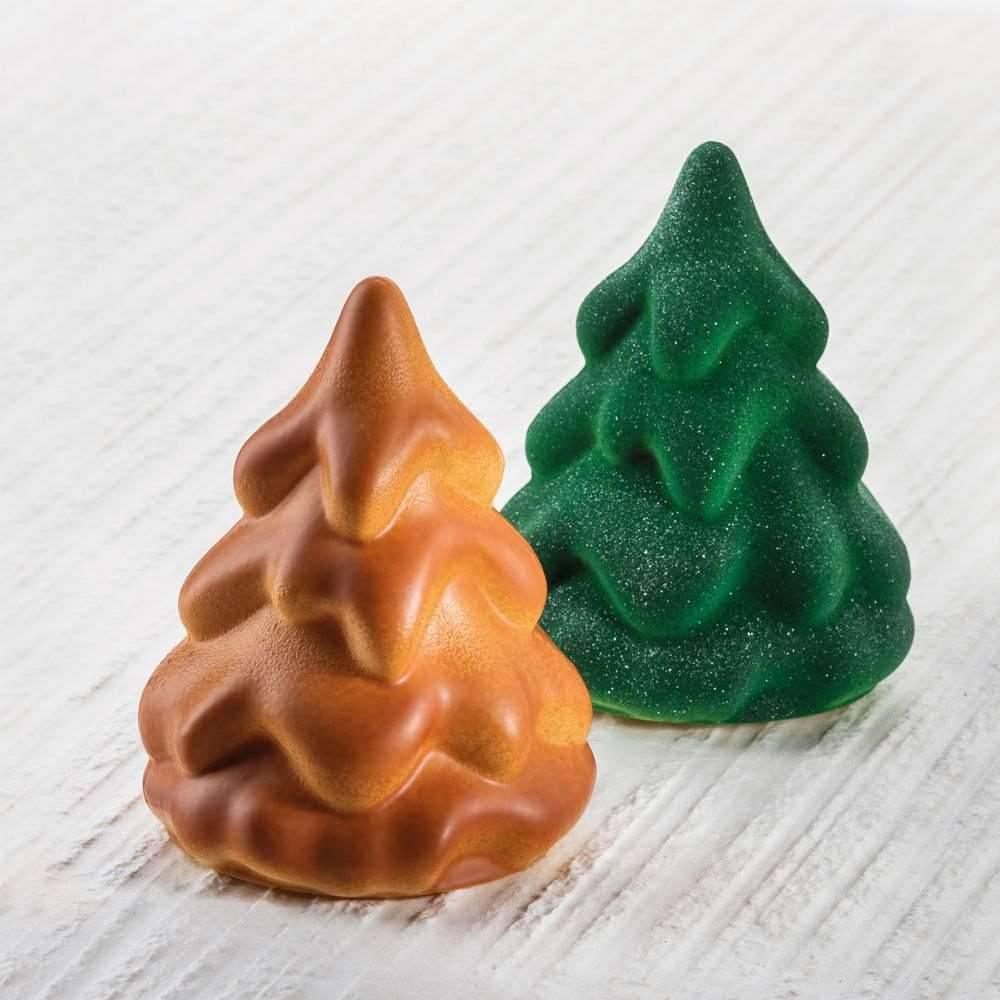
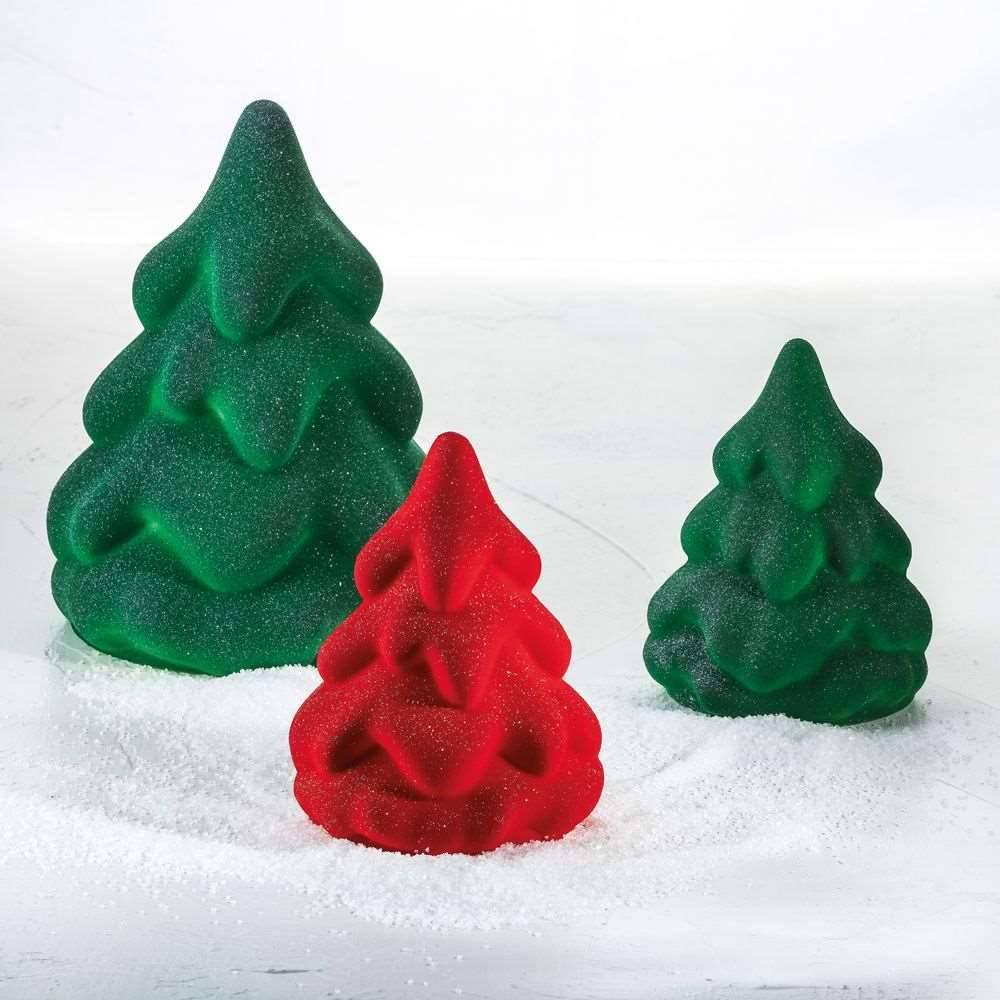
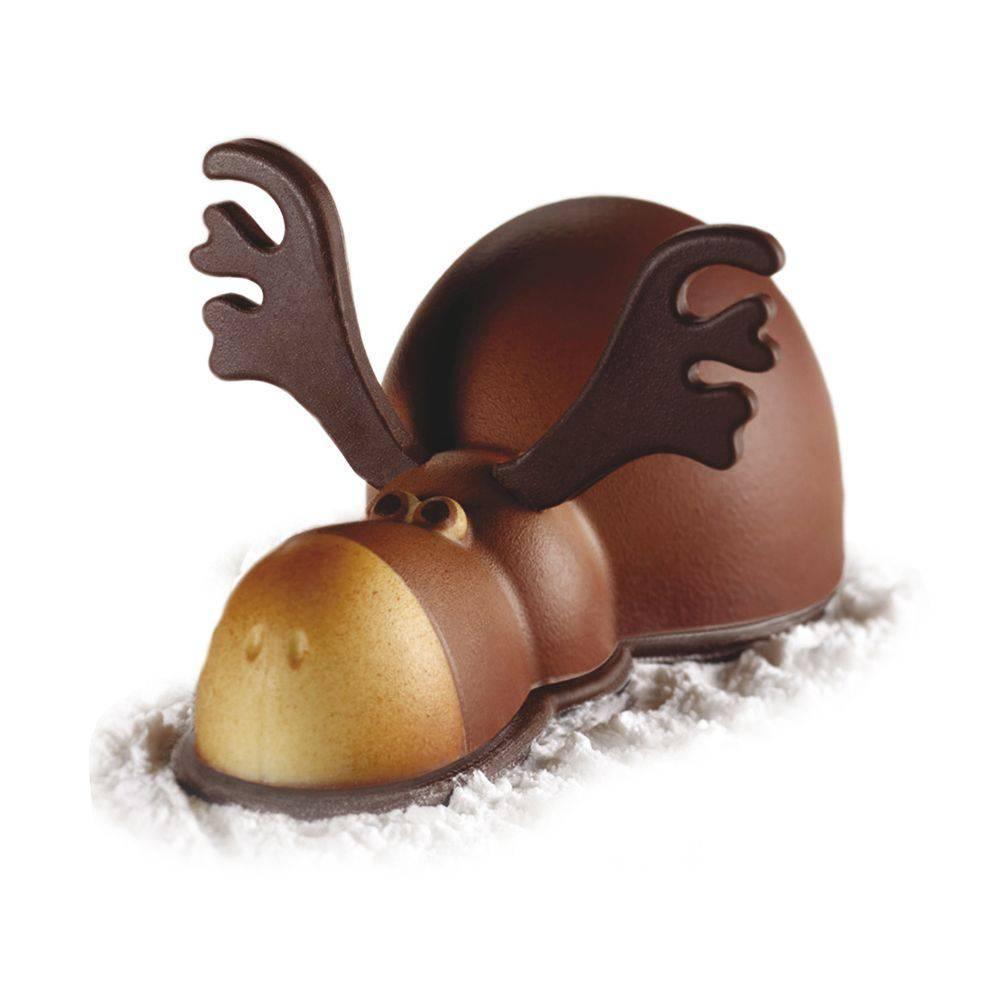
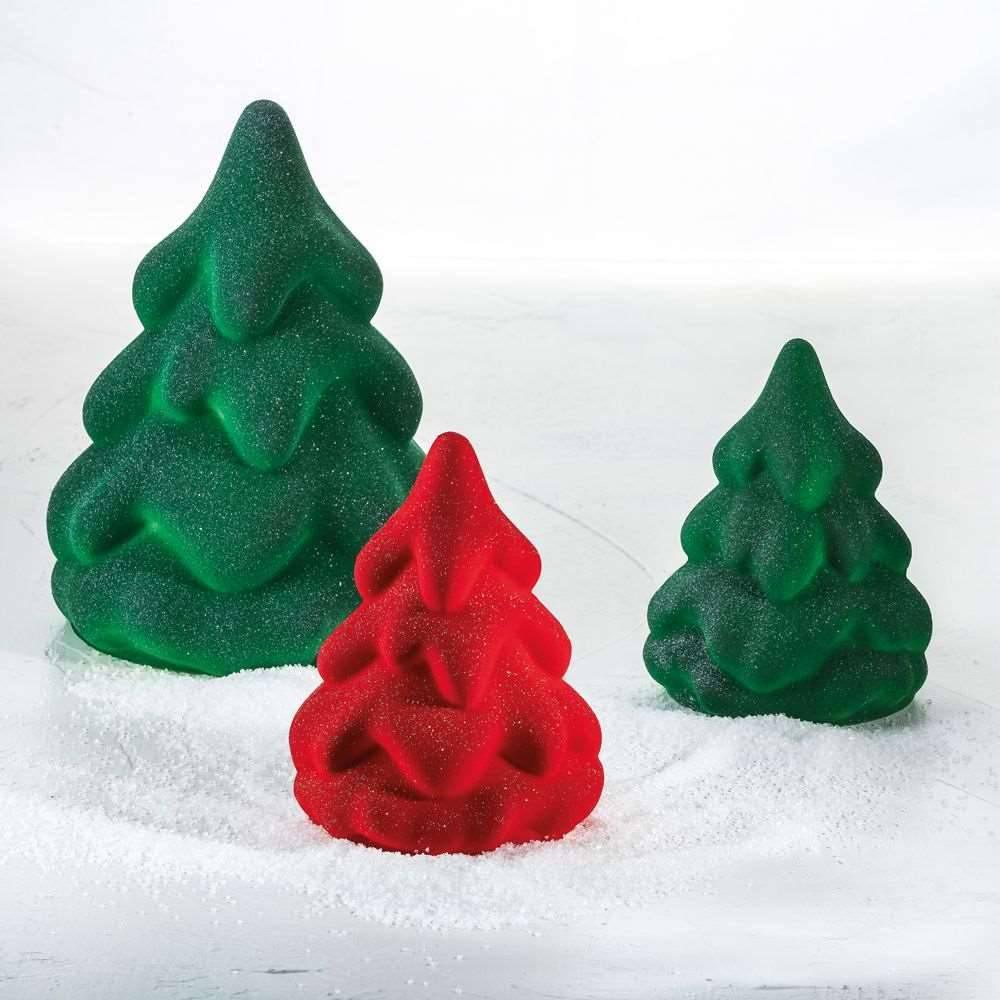
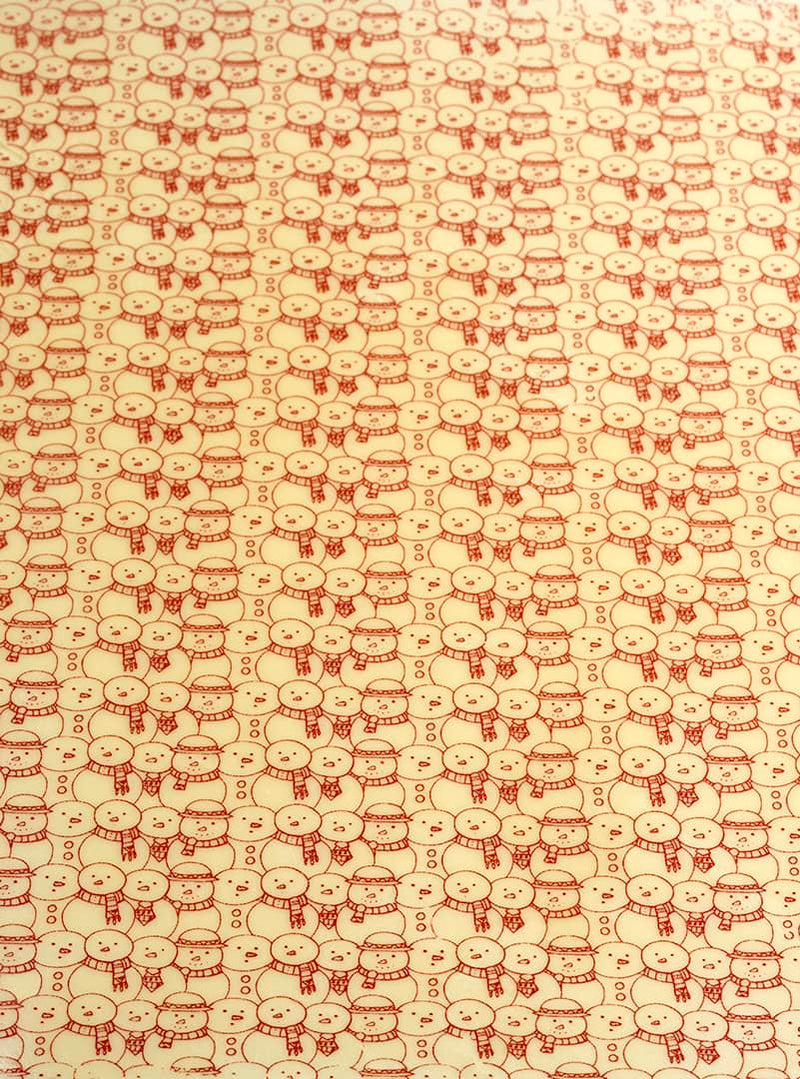
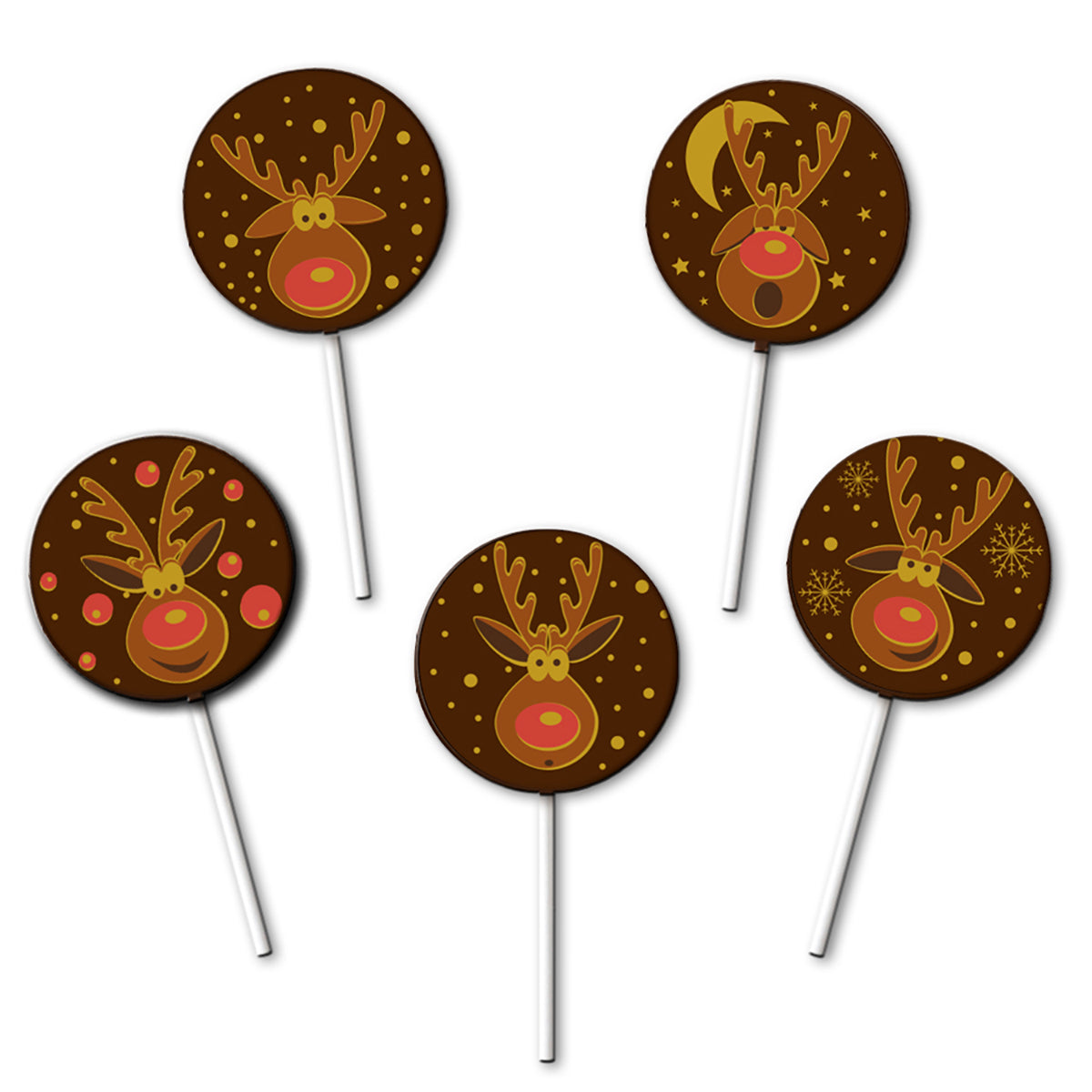
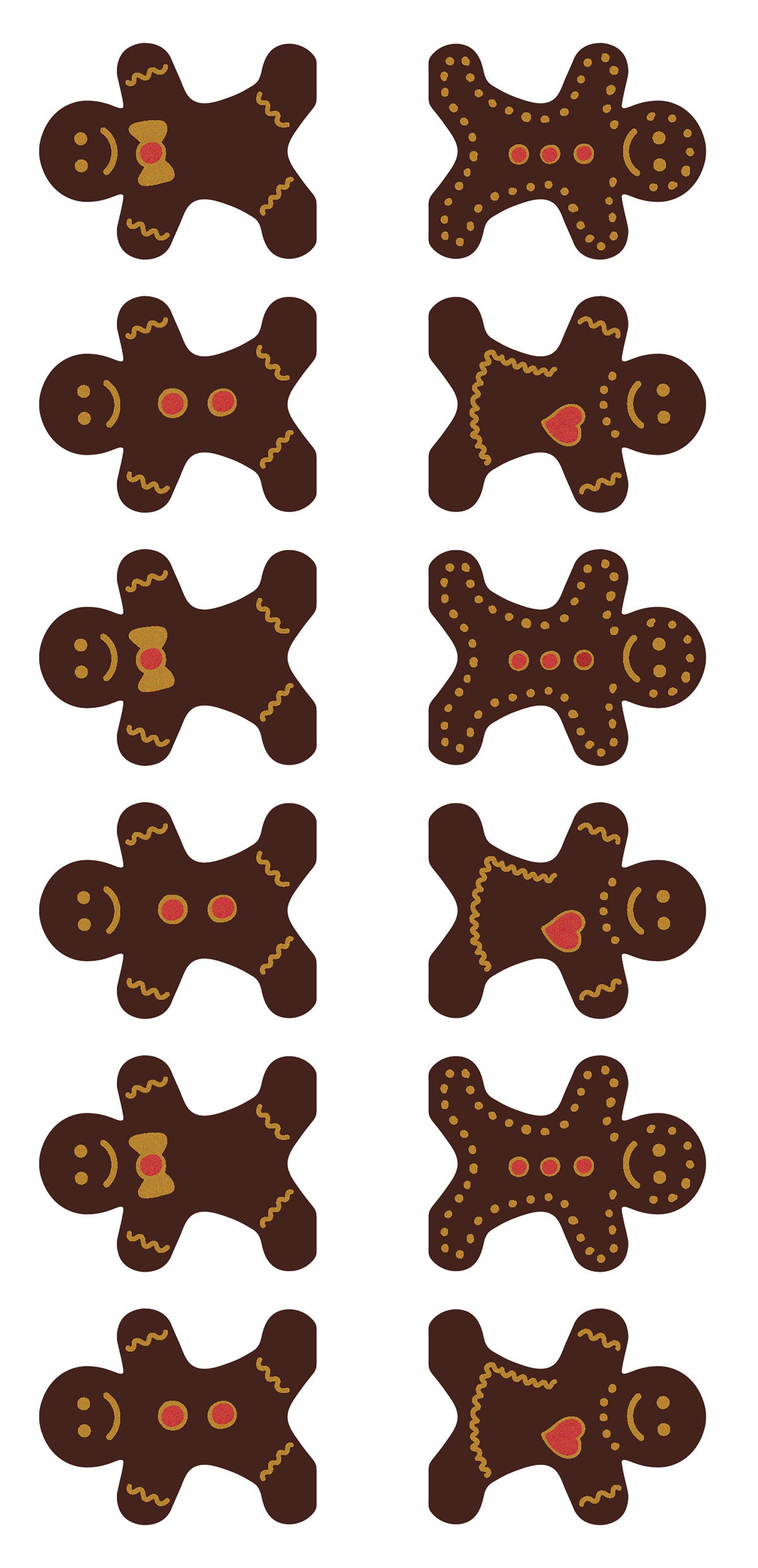
Beyond bars and bonbons, specialty molds address specific occasions and presentations. Holiday molds like the Chocolate Mold Heart serve Valentine's demands, while novelty shapes create talking points and gift items commanding premium pricing despite modest chocolate content.
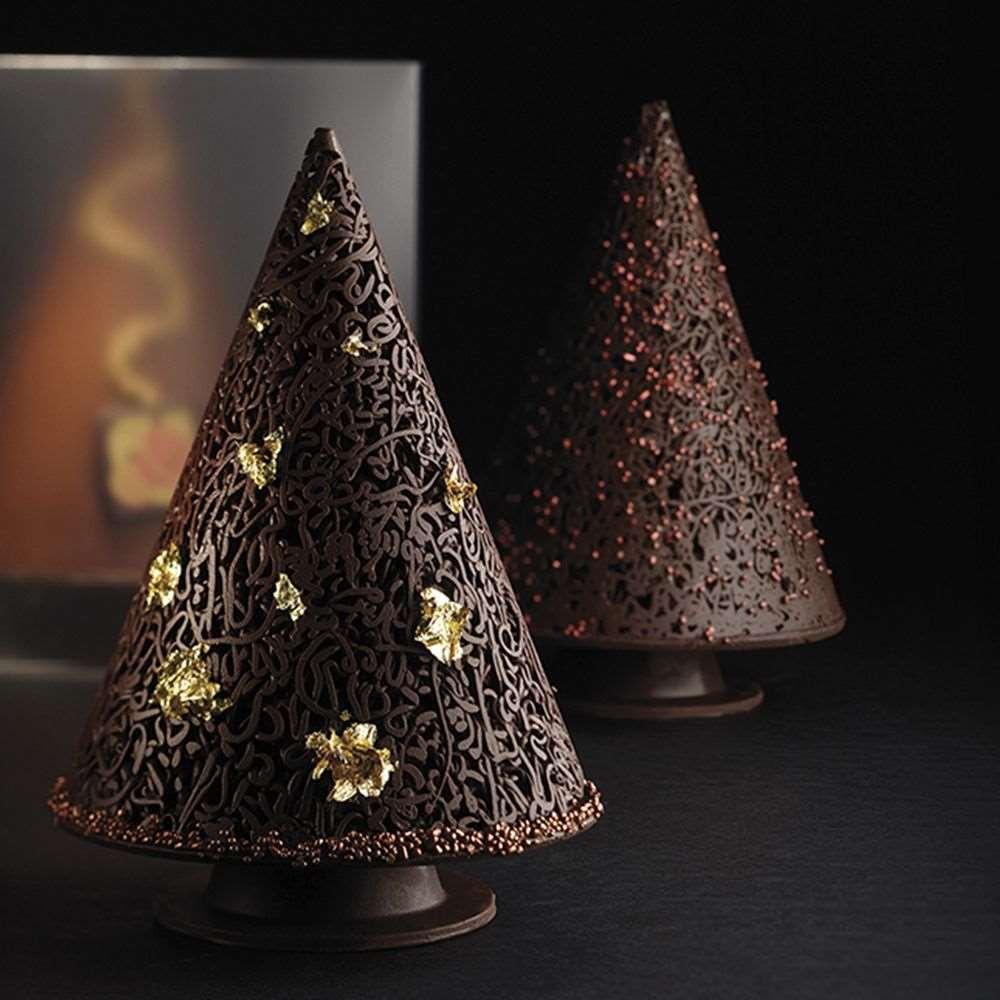
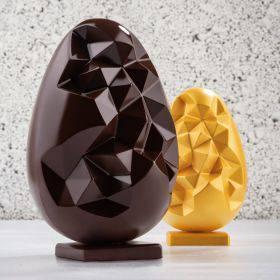
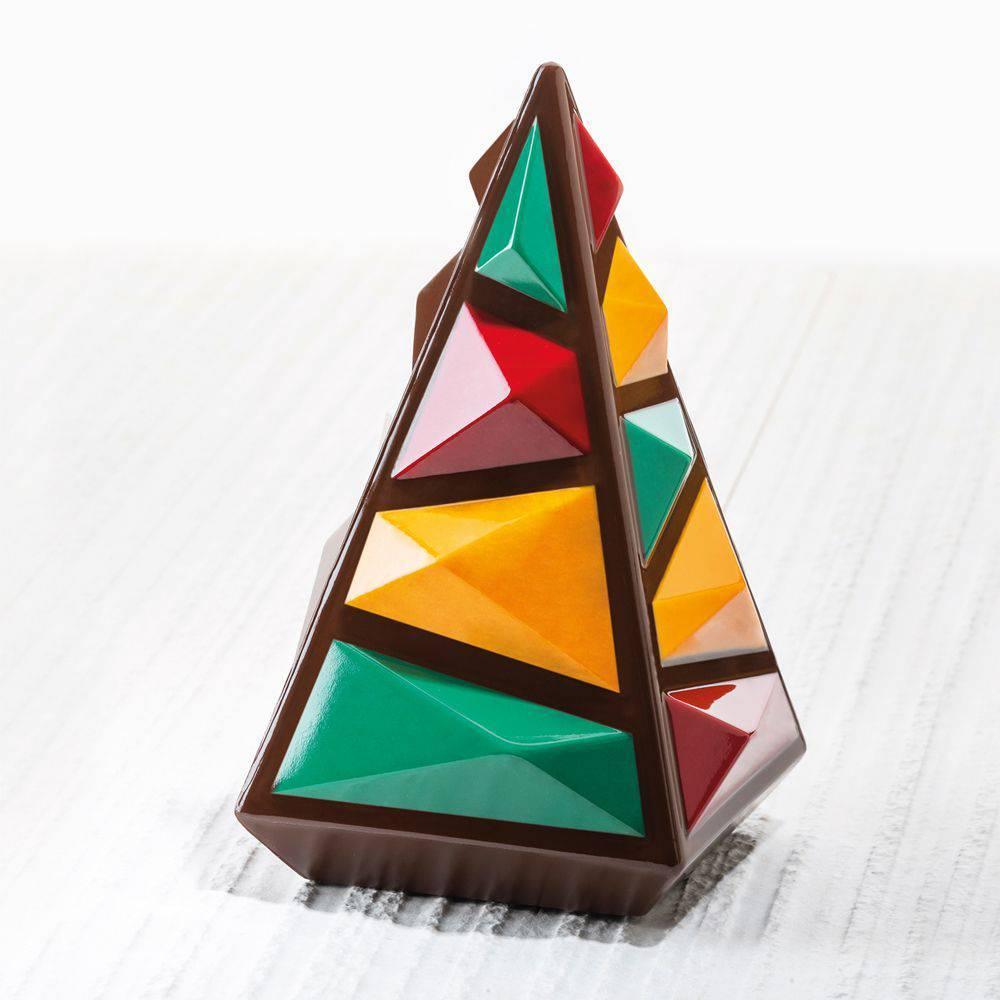
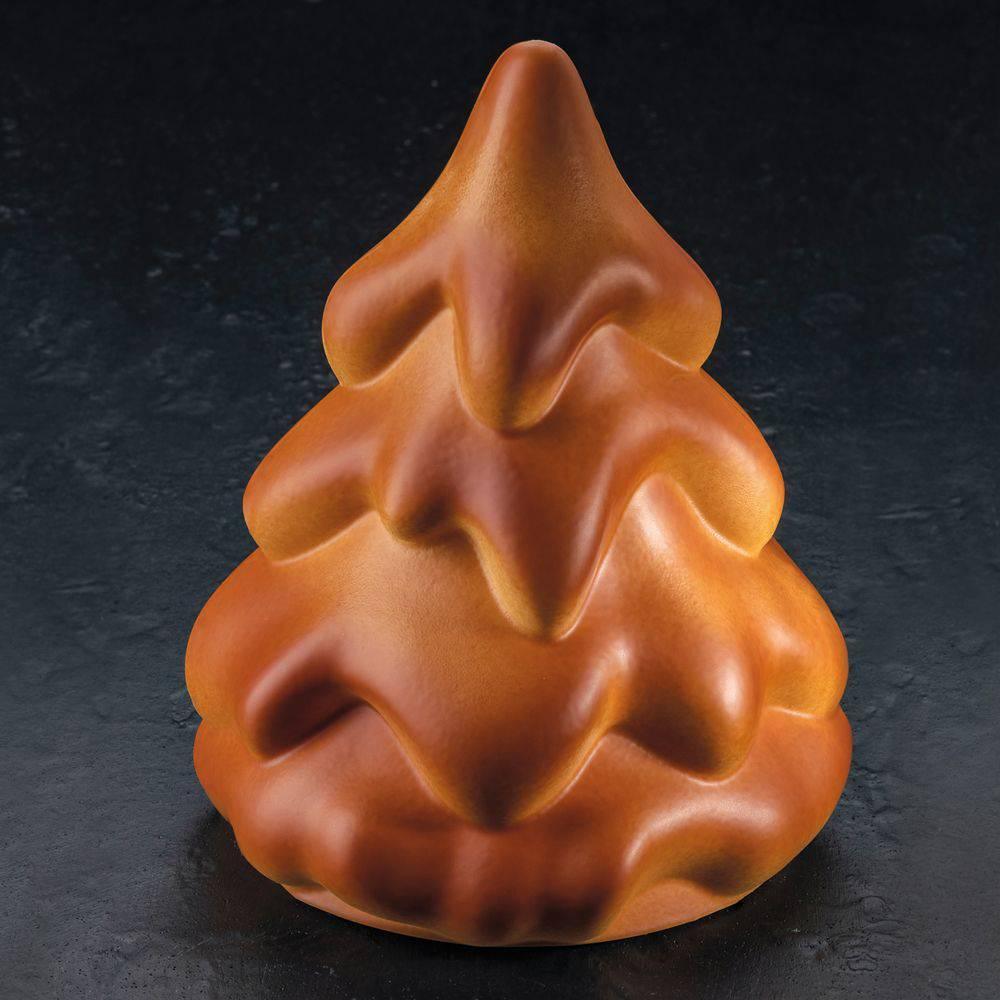
Magnetic molds simplify hollow figure production through secure assembly. Rather than wrestling with clips or rubber bands, embedded magnets hold halves together during filling and cooling. The 3D seasonal chocolate molds category showcases dimensional designs that transform chocolate into sculpture, opening premium gift markets unavailable with flat products.
Character and licensed designs require careful sourcing. Generic shapes remain available to all producers, but exclusive mold designs create competitive advantages. Working directly with mold designers or securing regional exclusivity for particular patterns differentiates offerings in ways competitors cannot easily replicate.
Mastering Molding Techniques
Tempering for Perfect Release
Mold performance depends entirely on proper chocolate tempering. Even the finest polycarbonate cannot compensate for poorly tempered chocolate that refuses to contract and release. Chocolate must form stable crystal structures that shrink uniformly during cooling, naturally separating from mold surfaces. Understanding chocolate tempering fundamentals proves essential before blaming molds for release problems actually caused by technique failures.
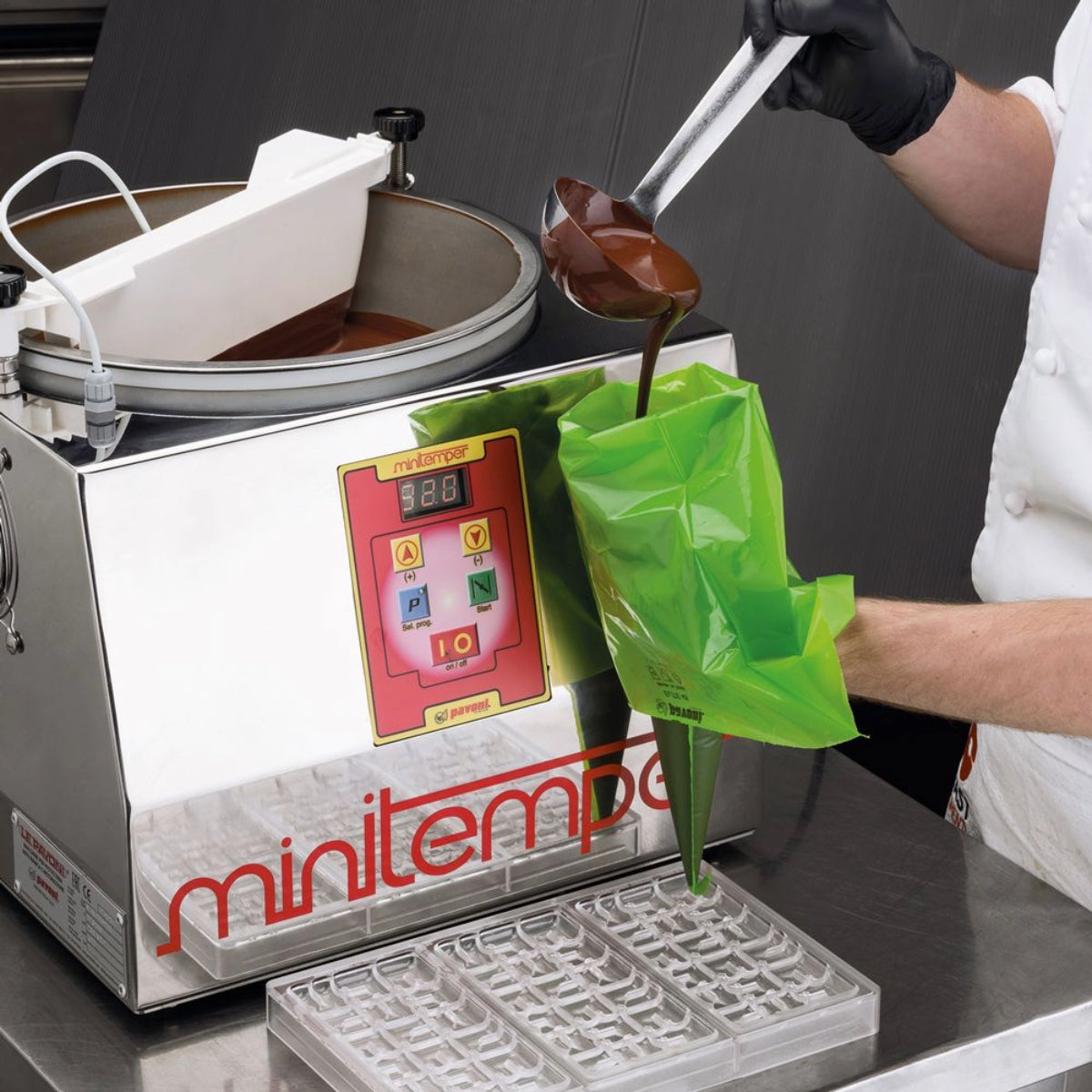
Temperature consistency throughout molding processes affects results. Molds pre-warmed to 28-30°C prevent chocolate from setting too quickly on contact, allowing complete cavity filling before crystallization begins. Conversely, excessively cold molds create temperature shock that causes cracking or dull surfaces lacking characteristic shine. The chocolate tempering machines you use directly impact molding success through consistent chocolate crystal structure.
Filling Methods for Different Mold Types
Bar molds accept simple pouring with spatula leveling to remove excess. This straightforward approach works because solid bars don't require shell integrity or precise thickness control. Tapping molds releases air bubbles that would otherwise create surface imperfections, ensuring professional appearance with minimal technique demands.
Bonbon shells require painting or brushing methods building gradual thickness. Initial thin coats establish uniform coverage, while subsequent layers build structural strength supporting fillings. Rotating molds between applications ensures even distribution preventing thin spots prone to breakage. This process demands patience—rushing creates inconsistent shells that leak or collapse during filling operations.
Learning from best chocolate mold guidance helps avoid common pitfalls that waste time and materials during learning curves. Simple mistakes like overfilling cavities or insufficient cooling time between coats create frustrations easily prevented through proper instruction before attempting advanced techniques.
Maintaining Professional Standards
Mold cleanliness determines surface quality as much as chocolate itself. Cocoa butter residue accumulates after repeated use, creating dull spots or texture variations in finished chocolates. Cotton cloths and warm water handle routine cleaning, while periodic deep cleaning with specialized solutions removes stubborn buildup restoring original surface conditions.
Storage practices extend usable mold life significantly. Stacking molds without separation scratches polycarbonate surfaces, transferring those imperfections to every chocolate produced afterward. Proper storage boxes or separated stacking with protective layers maintains pristine conditions through years of production cycles. The polycarbonate chocolate molds category includes commercial-grade options designed for intensive use when properly maintained.
Building Your Mold Collection Strategically
Smart mold acquisition follows production priorities rather than aesthetic preferences alone. Start with versatile basics—a standard bar mold and simple bonbon shapes—that generate reliable sales while developing technique. Once comfortable with fundamentals, expand into specialty designs creating signature items that differentiate your brand.
Consider cavity counts against production capacity. A 24-cavity bonbon mold seems efficient until you realize your cooling equipment handles only 6 molds hourly, creating bottlenecks. Match mold investments to downstream capacity preventing expensive inventory sitting idle awaiting other process completion.
Quality over quantity applies universally. Three excellent molds producing consistent results outperform ten mediocre ones causing frustration and waste. Professional-grade polycarbonate from established manufacturers costs more initially but delivers returns through reliability and longevity that budget alternatives cannot match.
Crafting Excellence Through Proper Tools
Success in chocolate molding begins with quality equipment backed by proper technique. The finest molds cannot overcome poor tempering, while perfect chocolate fails in inadequate molds—both elements must align for professional results customers willingly pay premium prices to obtain.
At Zucchero Canada, we curate professional mold collections from manufacturers who understand commercial production demands. Our chocolate molds selection emphasizes designs proven in professional kitchens worldwide, delivering consistent results supporting sustainable business growth.
Explore our comprehensive mold catalog and envision the signature chocolates that will define your brand. Our team helps match mold selections to your production capabilities, market positioning, and growth trajectory, ensuring investments in tools that actually generate returns rather than gather dust. For guidance on technique development, mold selection for specific applications, or building cohesive product lines, contact our knowledgeable staff who understand both the craft and business of professional chocolate production.
Contact Zucchero Canada: Visit zuccherocanada.ca or reach out directly for personalized mold consultation. We support your chocolate excellence with quality tools and practical expertise transforming creative visions into profitable reality.