




Understanding whether hot chocolate stains teeth helps you enjoy this beloved beverage while maintaining a bright, healthy smile. The answer is yes—hot chocolate can stain teeth due to tannins in cocoa and chromogens that adhere to tooth enamel, though it stains less aggressively than coffee or tea. This comprehensive guide examines how hot chocolate causes discoloration, compares staining potential across different hot chocolate types, explores effective prevention strategies, and provides practical tips for minimizing dental staining while continuing to enjoy your favorite chocolate beverages.
How Hot Chocolate Stains Teeth
Hot chocolate contains several compounds that contribute to tooth discoloration through different mechanisms. Understanding these staining agents helps you make informed choices about beverage preparation and consumption habits that minimize dental impact.
Tannins and Chromogens in Cocoa
Cocoa powder contains tannins—plant compounds that bind to tooth enamel and cause yellowish-brown discoloration over time. These same tannins give cocoa its slightly astringent taste and contribute to hot chocolate's complex flavor profile. Tannin molecules have affinity for the protein layer on tooth enamel called the pellicle, creating chemical bonds that gradually darken teeth with repeated exposure.
Chromogens are pigmented molecules in cocoa that attach to enamel surface imperfections and microscopic pores. Once embedded, these color compounds resist removal through regular brushing, accumulating over weeks and months to create noticeable discoloration. Dark cocoa varieties contain higher chromogen concentrations than lighter processed cocoas, making natural cocoa powder more likely to stain than heavily dutched alternatives.
Acidity and Enamel Erosion
Hot chocolate's acidity softens tooth enamel temporarily, making it more porous and receptive to staining compounds. While less acidic than coffee or citrus drinks, hot chocolate typically has pH between five and six—slightly below the neutral seven. This mild acidity opens enamel pores, allowing tannins and chromogens to penetrate deeper into tooth structure where they become more difficult to remove.
The combination of heat, sugar, and acidity creates ideal conditions for bacterial growth that produces additional acids. These bacterial acids further erode enamel while metabolizing hot chocolate's sugars, compounding both staining and cavity risk. Understanding this multi-factor process explains why hot chocolate impacts dental health beyond simple surface staining.
Comparing Hot Chocolate to Other Beverages
Evaluating how hot chocolate's staining potential compares to other popular drinks provides helpful context for dental health decisions. Hot chocolate falls somewhere in the middle of the beverage staining spectrum—more problematic than water or milk but less aggressive than coffee, tea, or red wine.
Hot Chocolate vs Coffee and Tea
Coffee ranks as one of the worst beverages for tooth staining due to extremely high tannin content and dark chromogens that adhere stubbornly to enamel. A single cup of coffee contains two to three times the tannins found in equivalent hot chocolate. Black tea similarly exceeds hot chocolate's staining potential despite its lighter color, as tea tannins bind particularly effectively to tooth enamel proteins.
Understanding caffeine differences reveals compositional variations that extend to staining compounds. Hot chocolate made from quality dark chocolate contains moderate tannin levels that stain gradually rather than immediately like coffee. The milk in hot chocolate also dilutes chromogen concentrations and provides calcium that strengthens enamel, partially offsetting staining effects.
Milk Chocolate vs Dark Chocolate Hot Drinks
Hot chocolate made with milk chocolate stains less than dark chocolate versions due to lower cocoa solid content. Milk chocolate typically contains twenty-five to forty percent cocoa compared to fifty to ninety percent in dark varieties. This reduced cocoa concentration means fewer tannins and chromogens per serving, resulting in approximately thirty to fifty percent less staining potential.
White chocolate drinks eliminate cocoa solid staining entirely since white chocolate contains only cocoa butter, milk, and sugar without cocoa powder or chocolate liquor. These beverages pose minimal staining risk comparable to plain milk or vanilla-flavored drinks. However, their high sugar content still contributes to cavity formation and enamel erosion that indirectly increases staining susceptibility over time.
|
Beverage Type |
Tannin Level |
Staining Potential |
pH Level |
Relative Staining Risk |
|
Coffee |
Very High |
Very High |
4.5-5.0 |
9/10 |
|
Black Tea |
Very High |
Very High |
4.9-5.5 |
9/10 |
|
Dark Hot Chocolate |
Moderate |
Moderate |
5.5-6.0 |
5/10 |
|
Milk Hot Chocolate |
Low-Moderate |
Low-Moderate |
6.0-6.5 |
3/10 |
|
White Hot Chocolate |
Very Low |
Very Low |
6.5-7.0 |
1/10 |
|
Water |
None |
None |
7.0 |
0/10 |
Prevention Strategies to Minimize Staining
Implementing strategic prevention measures allows you to enjoy hot chocolate while significantly reducing its tooth-staining impact. These practical techniques address staining at multiple stages—before, during, and after consumption.
During Consumption Techniques
Using a straw directs hot chocolate past your front teeth, limiting contact with the most visible enamel surfaces. Position the straw toward the back of your mouth rather than between front teeth for maximum protection. While this technique feels unusual initially for hot beverages, it dramatically reduces staining on anterior teeth that define your smile's appearance.
Drinking hot chocolate quickly rather than sipping slowly over extended periods minimizes total enamel exposure time. Extended exposure allows more tannins and chromogens to bind to tooth surfaces while maintaining enamel in softened, acidic state longer. Consuming your beverage within fifteen to twenty minutes provides enjoyment while limiting staining opportunity compared to hour-long sipping sessions.
Pairing hot chocolate with foods stimulates saliva production that naturally cleanses teeth and neutralizes acids. Cheese, nuts, or vegetables consumed alongside hot chocolate help remove surface staining compounds before they permanently adhere. The mechanical action of chewing scrubs teeth gently while saliva's minerals help reharden softened enamel more quickly.
Post-Consumption Care
Rinsing your mouth with plain water immediately after finishing hot chocolate washes away residual tannins and chromogens before they bond permanently to enamel. Swish water vigorously for thirty seconds, paying special attention to front teeth and spaces between teeth where staining compounds accumulate. This simple habit reduces staining by forty to sixty percent according to dental research.
Wait at least thirty minutes before brushing teeth after consuming acidic beverages including hot chocolate. Brushing immediately after drinking scrubs softened enamel, potentially causing permanent damage and increasing long-term staining susceptibility. The thirty-minute waiting period allows saliva to neutralize acids and remineralize enamel, returning it to normal hardness before mechanical cleaning.
Chewing sugar-free gum after hot chocolate stimulates saliva flow that naturally cleanses teeth while freshening breath. Xylitol-containing gums provide additional benefits by inhibiting bacterial growth and supporting enamel remineralization. This strategy works particularly well when brushing isn't immediately practical, such as at work or while traveling.

Professional Dental Care and Whitening
Regular professional dental cleanings remove surface stains that accumulate despite prevention efforts. Dental hygienists use specialized tools and polishing compounds that eliminate discoloration beyond the reach of home brushing. Schedule cleanings every six months for optimal staining prevention, or quarterly if you consume staining beverages daily.
At-Home Whitening Options
Whitening toothpastes contain mild abrasives and chemical agents that remove surface stains gradually over weeks of consistent use. These products work best for maintaining whiteness after professional treatments rather than dramatically reversing years of staining. Look for American Dental Association approved products that balance effectiveness with enamel safety.
Whitening strips deliver hydrogen peroxide or carbamide peroxide directly to tooth surfaces, penetrating enamel to lighten deeper discoloration. These over-the-counter products produce noticeable results within one to two weeks when used as directed. Follow timing instructions carefully to avoid gum irritation or tooth sensitivity from overuse.
Professional whitening treatments at dental offices deliver dramatically faster, more comprehensive results than home methods. In-office treatments use higher concentration bleaching agents under controlled conditions, often producing teeth several shades whiter in a single appointment. While more expensive than home options, professional treatments provide superior results for people with significant staining concerns.
Making Less-Staining Hot Chocolate
Adjusting hot chocolate preparation methods reduces staining potential while maintaining delicious flavor. Start with lighter cocoa powders that have undergone dutch processing—a treatment that reduces tannin content while creating smoother, less acidic flavor. While natural cocoa powder delivers more intense chocolate taste, dutched varieties minimize dental staining.
Recipe Modifications for Dental Health
Increasing milk proportion relative to cocoa powder dilutes chromogen concentration while adding calcium that strengthens enamel. Use three parts milk to one part cocoa powder rather than equal proportions for lighter beverage with reduced staining impact. The extra milk creates creamier texture that many find equally satisfying despite less intense chocolate flavor.
Adding a pinch of baking soda neutralizes cocoa's natural acidity, raising pH closer to neutral seven where enamel remains harder and less porous. This simple addition doesn't noticeably affect flavor when used sparingly—just one-eighth teaspoon per cup. The alkaline environment prevents acid-related enamel softening that facilitates chromogen penetration.
Finishing hot chocolate with a splash of milk creates a protective coating on teeth that reduces direct enamel contact with remaining tannins and chromogens. This final milk layer washes away loose staining compounds while delivering additional calcium. Think of it as a dental rinse disguised as the last sip of your beverage.
Special Considerations for Children
Children's developing teeth are more susceptible to staining than mature adult enamel. Primary teeth have thinner, more porous enamel that absorbs chromogens more readily, while permanent teeth continue mineralizing and hardening through teenage years. Limiting hot chocolate consumption to once daily or less helps protect children's dental health during critical development periods.
Teaching proper oral hygiene habits early establishes lifelong patterns that protect against staining and decay. Children should rinse with water after hot chocolate and brush teeth twice daily with fluoride toothpaste. Make tooth care fun by letting children choose their toothbrush design or flavor of toothpaste, increasing compliance with healthy habits.
Consider preparing hot chocolate with white chocolate or very light milk chocolate for young children to minimize staining while still providing treat value. These lighter versions satisfy chocolate cravings with significantly less dental impact. As children mature and develop better oral hygiene habits, gradually introduce darker hot chocolate varieties if desired.
Alternative Chocolate Beverages
Exploring chocolate beverage alternatives provides variety while managing cumulative staining exposure. Chocolate milk—whether hot or cold—typically stains less than concentrated hot chocolate due to higher milk-to-cocoa ratio. The thin consistency also reduces contact time with teeth compared to thick, creamy hot chocolate preparations.
Chocolate smoothies blended with frozen bananas, yogurt, or protein powder dilute cocoa while adding nutrients that support dental health. The cold temperature may reduce chromogen binding compared to hot preparations, though research on temperature effects remains limited. Use a straw with smoothies to further minimize tooth contact with chocolate components.
For maximum flavor with minimal staining, use chocolate primarily in baked goods rather than beverages. Chocolate brownies, cookies, and cakes made with quality chocolate chips deliver rich chocolate taste without prolonged tooth exposure. Solid chocolate melts quickly in the mouth and can be washed away promptly, whereas beverages bathe teeth for extended periods.
Long-Term Dental Health Strategies
Beyond immediate staining prevention, maintaining overall dental health protects against discoloration susceptibility. Strong, intact enamel with minimal cracks or erosion resists staining better than compromised enamel with surface imperfections. Fluoride treatments strengthen enamel while sealing microscopic pores that trap chromogens.
Addressing teeth grinding or clenching prevents enamel damage that increases staining vulnerability. Grinding wears away smooth enamel surface, creating rough areas where staining compounds accumulate more readily. Custom night guards from your dentist protect teeth during sleep when most grinding occurs unconsciously.
Staying hydrated throughout the day supports optimal saliva production that continuously cleanses teeth and neutralizes acids. Saliva contains minerals that remineralize enamel while washing away food particles and beverage residues. Drink water regularly between meals and after consuming staining beverages for natural tooth protection.
Creating Professional Hot Chocolate at Home
Making hot chocolate from scratch using premium chocolate products gives you complete control over ingredients and quality. Start with quality Venezuelan chocolate that delivers rich flavor without excessive additives or stabilizers that may increase staining potential.
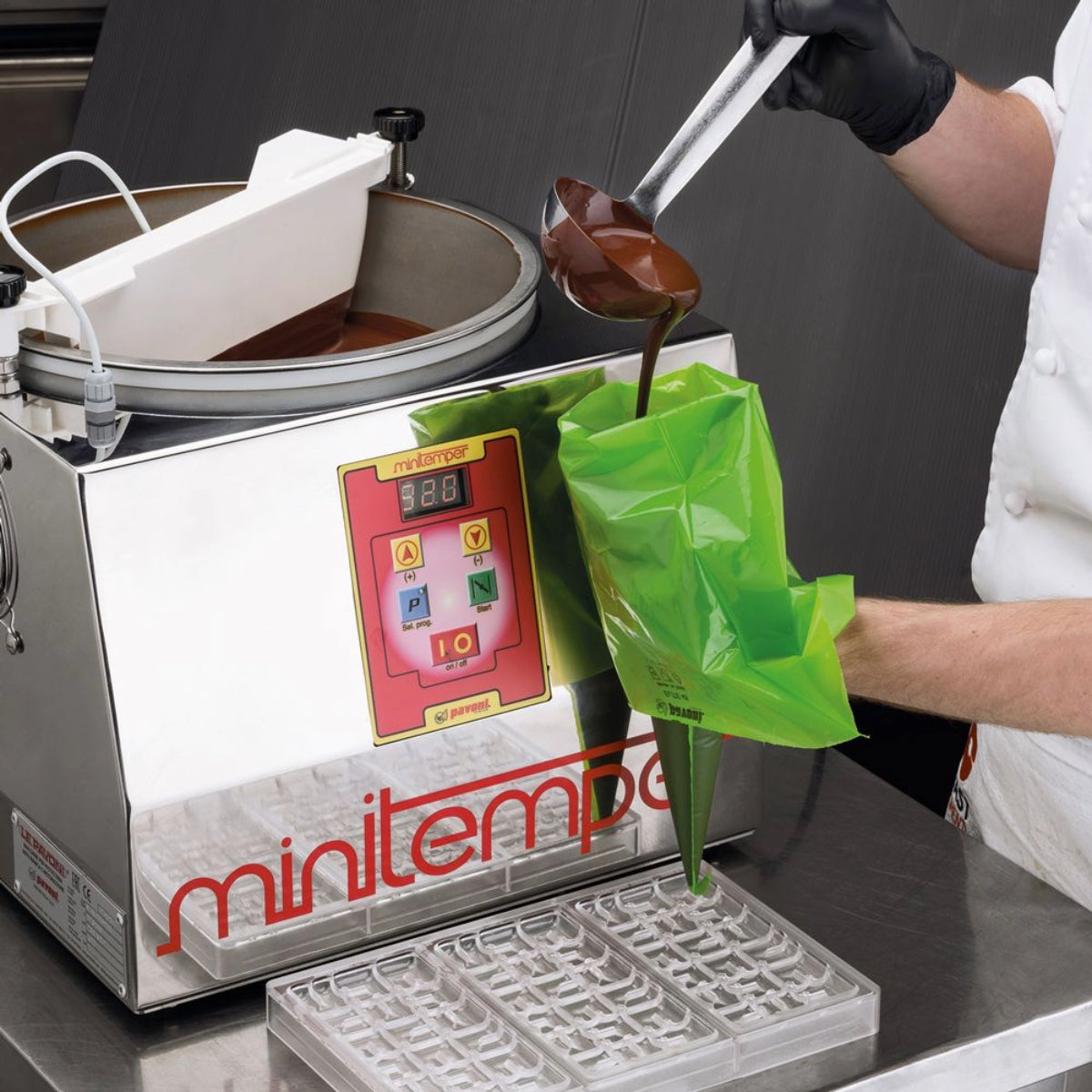
Use professional chocolate melters to maintain optimal temperature throughout preparation, ensuring smooth consistency without scorching. Proper temperature control prevents bitter flavors while preserving chocolate's beneficial antioxidants. For entertaining or special occasions, prepare hot chocolate in decorative serving pieces that elevate the experience.
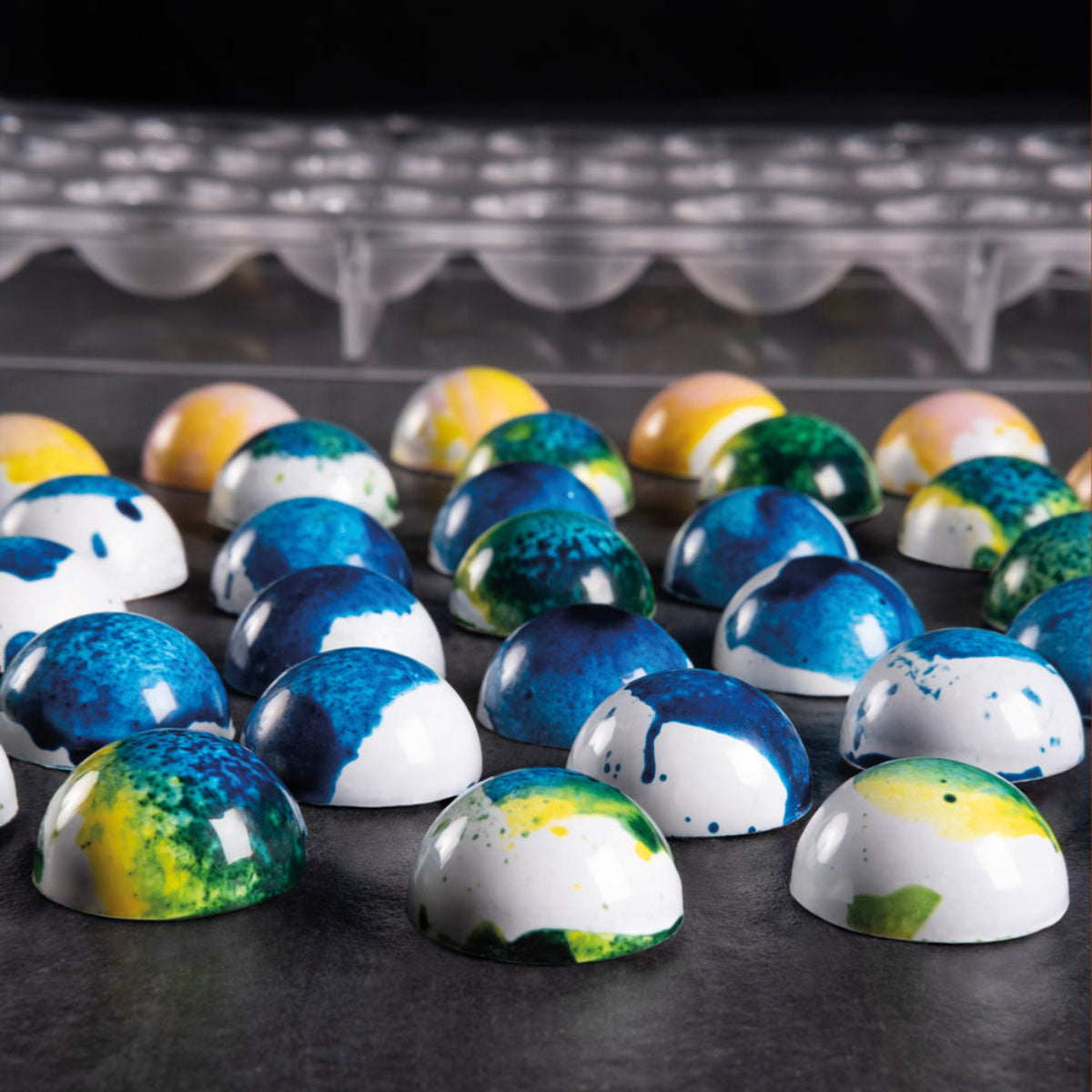
Experiment with artisan chocolate molds to create custom chocolate stir sticks that dissolve slowly into hot milk, providing controlled chocolate flavor release. These elegant additions transform ordinary hot chocolate into sophisticated beverage experiences while allowing precise cocoa content management that minimizes staining concerns.
Understanding that hot chocolate does stain teeth but implementing strategic prevention dramatically reduces discoloration while allowing continued enjoyment of this beloved beverage. Hot chocolate contains tannins and chromogens from cocoa that bind to tooth enamel, though it stains less aggressively than coffee or tea. Using straws, rinsing with water afterward, and waiting thirty minutes before brushing minimizes staining effectively. Choosing lighter milk chocolate over dark varieties, increasing milk proportion, and adding baking soda further reduces staining potential through recipe modifications. For creating delicious hot chocolate at home with premium ingredients and professional tools, explore quality chocolate options at Zucchero Canada where excellence in chocolate meets commitment to your culinary creativity.
References:
American Dental Association. (2024). Food and drinks that stain teeth. ADA.
Joiner, A., & Luo, W. (2023). Tooth colour and whiteness: A review. Journal of Dentistry, 115, 103-118.
Kwon, S. R., & Wertz, P. W. (2024). Review of the mechanism of tooth whitening. Journal of Esthetic and Restorative Dentistry, 36(2), 240-257.
Meurman, J. H., & ten Cate, J. M. (2023). Pathogenesis and modifying factors of dental erosion. European Journal of Oral Sciences, 131(1), e12891.








Leave a comment
All comments are moderated before being published.
This site is protected by hCaptcha and the hCaptcha Privacy Policy and Terms of Service apply.